- 330-505-6800
- Info@alifeprotector.com
- 11 North Main St , Niles Ohio 44446.
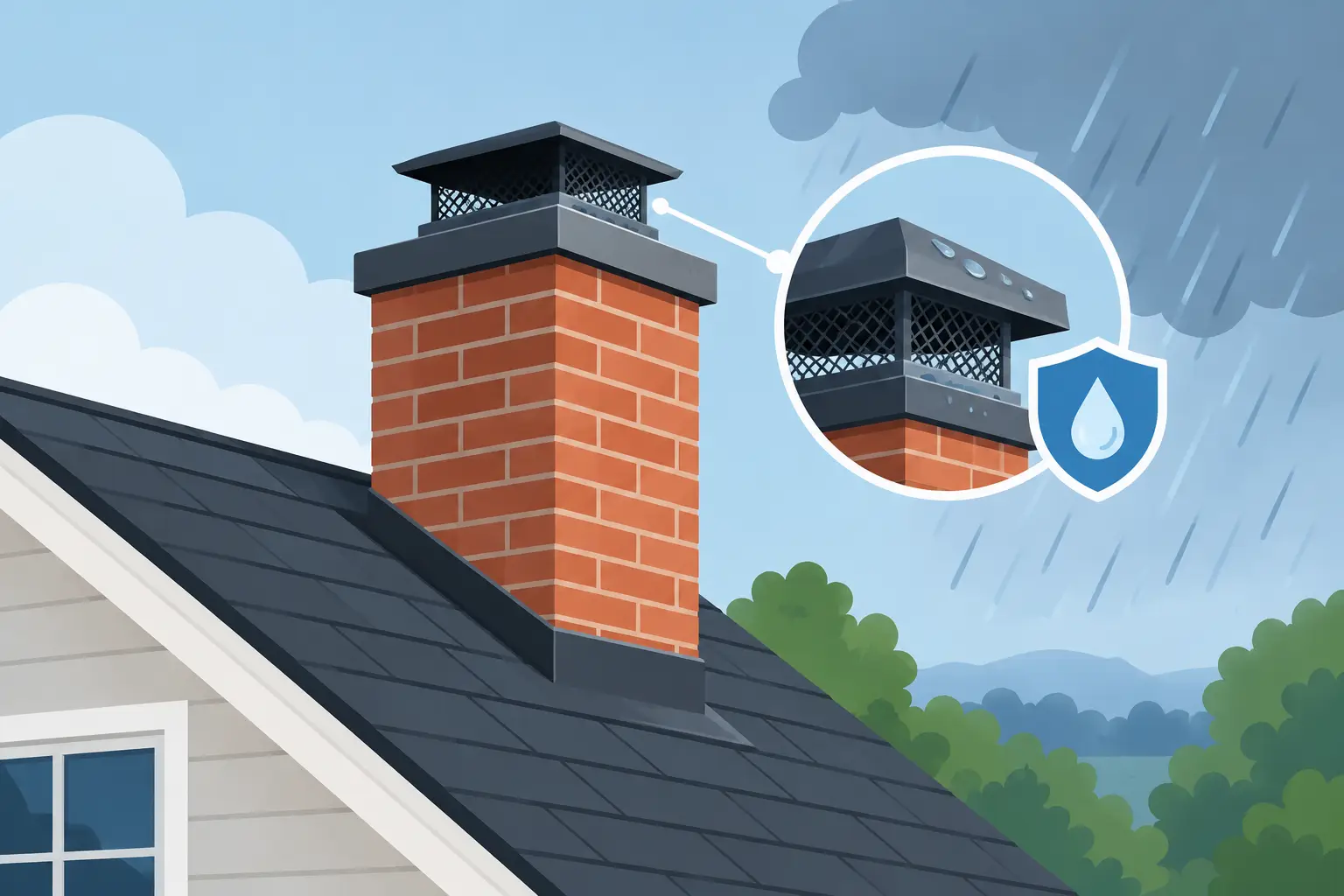
A chimney can look solid from the ground while water is steadily working its way through the crown, flashing, mortar joints, or flue. In northeastern Ohio and western Pennsylvania, freeze-thaw weather makes that damage move faster. This residential chimney moisture control guide explains where moisture enters, what homeowners can watch for, and when a professional repair is the sensible next step.
Water is one of the most destructive forces a masonry chimney faces. It can loosen mortar, crack brick faces, rust metal components, stain interior walls, and shorten the life of a liner or damper. The good news is that moisture damage is often manageable when it is identified early and repaired with materials suited to the chimney’s actual condition.
A chimney sits above the roofline, exposed to rain, snow, wind, sun, and temperature swings on every side. Unlike a newer exterior wall, it has several joints and transitions where water can enter. Brick and mortar are also porous by nature. They can absorb moisture, especially when aging mortar, missing joints, or cracked surfaces give water an easier path inward.
Winter is where small defects become expensive. When absorbed water freezes, it expands. That expansion can cause brick faces to flake or break away, a condition often called spalling. It can also widen existing cracks in a crown or mortar joint. One cold season may not create obvious structural trouble, but repeated cycles can turn a minor maintenance need into widespread masonry repair.
Not every chimney moisture problem comes from rain. Condensation can form inside a flue when warm exhaust gases cool too quickly, particularly with an improperly sized liner, an older appliance, or an unused chimney. A qualified inspection helps separate an exterior leak from an internal venting issue, since the repair approach is very different.
A properly fitted chimney cap helps keep rain, snow, leaves, and animals out of the flue. It does not replace other repairs, but it is a practical first line of defense. A cap that is missing, loose, undersized, or badly rusted can allow water to run directly down the chimney system.
Homeowners sometimes assume a cap is only for keeping birds out. Its moisture-control role is just as valuable. A chimney without a cap may collect water inside the flue, where it can damage the liner, corrode metal parts, and contribute to musty odors near the fireplace.
The chimney crown is the concrete or masonry slab at the very top of the chimney. Its job is to shed water away from the flue and brickwork. Cracks, shallow slopes, crumbling edges, and separation around the flue tile can let water soak into the chimney from above.
A small crown crack may be repairable with the right crown repair system. A severely deteriorated crown may need replacement. The correct recommendation depends on the depth of damage, the condition of the underlying masonry, and whether the crown was originally built with enough overhang to direct water away from the brick.
Flashing seals the point where the chimney meets the roof. Because it connects roofing and masonry materials, flashing can fail even when the brickwork looks good. Loose metal, cracked sealant, rust, lifted shingles, and poorly installed counterflashing can all send water into the attic, ceiling, or wall near the chimney.
Interior staining around the chimney breast does not automatically mean the chimney needs rebuilding. It may be a flashing issue, a roof issue, or a combination of both. A careful assessment should identify the actual entry point before any work is recommended.
Mortar is designed to weather over time, but worn joints should not be ignored. Missing mortar, soft joints, and open cracks allow water behind the outer face of the chimney. Once moisture gets in, freeze-thaw movement can push more material loose.
Repointing removes failed mortar to an appropriate depth and replaces it with compatible new mortar. For older homes, matching the mortar strength matters. Mortar that is too hard for historic or softer brick can contribute to damage rather than prevent it. Skilled masonry repair is not just about making joints look neat. It is about helping the chimney move and shed moisture as intended.
Some warning signs are visible from inside the home, while others appear on the exterior. Watch for white, powdery deposits on masonry, flaking brick faces, cracked mortar, rust on the damper or firebox components, damp smells, peeling paint near the chimney, or stains on ceilings and walls.
A white mineral deposit, called efflorescence, means moisture has moved through the masonry and left salts behind as it evaporated. It does not always mean immediate structural damage, but it is a clear reason to find out where water is entering. Simply brushing it away treats the symptom, not the cause.
Rust is another useful clue. If a damper, fireplace doors, or metal firebox components are rusting, moisture may be entering through the flue, cap, crown, or masonry. A strong smoky or musty odor during humid weather can also point to a damp chimney system.
From the yard, look for loose bricks, gaps in mortar, a leaning cap, cracked crown material, or dark wet areas that persist long after rain. Avoid climbing onto the roof or leaning ladders against a chimney to investigate. Roof-level masonry work carries real fall risks, and a close inspection is safer with the right equipment.
Moisture control works best as preventive maintenance, not as a one-time repair after visible damage becomes severe. Start with an annual Level 1 chimney inspection, especially before the heating season. This inspection provides a professional look at accessible parts of the chimney, flue, firebox, and visible exterior components.
Keep the chimney capped, but do not assume every cap fits every system. Wood-burning fireplaces, gas appliances, wood stove inserts, and multiple-flue chimneys can require different cap designs. The goal is to prevent water entry without interfering with safe draft and proper venting.
Maintain the crown and flashing before cracks become openings. A sound crown should direct water away from the chimney, while properly installed flashing should create a durable seal at the roofline. These components do different jobs, and repairing only one when both have failed can leave the leak unresolved.
Address deteriorated mortar promptly with repointing rather than surface patching alone. A thin smear of mortar over damaged joints may not hold up through Ohio winters. Removing failed material and rebuilding the joint properly produces a more durable repair.
For appropriate masonry, a breathable water-repellent treatment may be considered after needed repairs are complete. This is not paint and should not trap moisture inside the brick. The product and application matter. Sealing over cracked mortar, failing brick, or an active leak can hide the issue temporarily while water continues to move within the masonry.
Exterior repairs protect the structure, but the inside of the chimney needs attention too. A damaged or improperly sized liner can allow flue gases and moisture to affect surrounding masonry. In gas systems, cooler exhaust can create condensation concerns if the venting system is not correctly matched to the appliance.
Wood-burning systems have their own risks. Wet firewood creates more smoke and water vapor, contributes to creosote buildup, and can make the chimney work harder. Burn properly seasoned firewood, schedule sweeping as needed, and have draft or odor concerns evaluated rather than assuming they will clear on their own.
If you have a wood stove insert, gas fireplace, or appliance connected to an existing chimney, changes to the appliance should be reviewed with the venting system in mind. A liner recommendation should be based on appliance requirements, chimney condition, and safe performance, not on a one-size-fits-all sales approach.
Schedule service soon if you see active leaks, loose masonry, recurring interior stains, spalling brick, crown cracks, or rust inside the fireplace. It is also wise to arrange an inspection after a severe storm, before buying a home with an older chimney, or when restarting a fireplace that has not been used for several seasons.
Chimney Sweeps and Masonry of America serves homeowners throughout Trumbull, Mahoning, and Mercer counties with inspection, sweeping, chimney repair, cap installation, crown repair, flashing work, and masonry restoration. A clear assessment should explain what is urgent, what can be monitored, and which repairs will provide the best long-term value for your home.
A dry chimney is not just better-looking masonry. It is a safer, longer-lasting part of your home, and timely attention to a small water issue can preserve years of reliable fireplace use.
We are a member of The National Chimney Guild. Certified Chimney Professional