- 330-505-6800
- Info@alifeprotector.com
- 11 North Main St , Niles Ohio 44446.

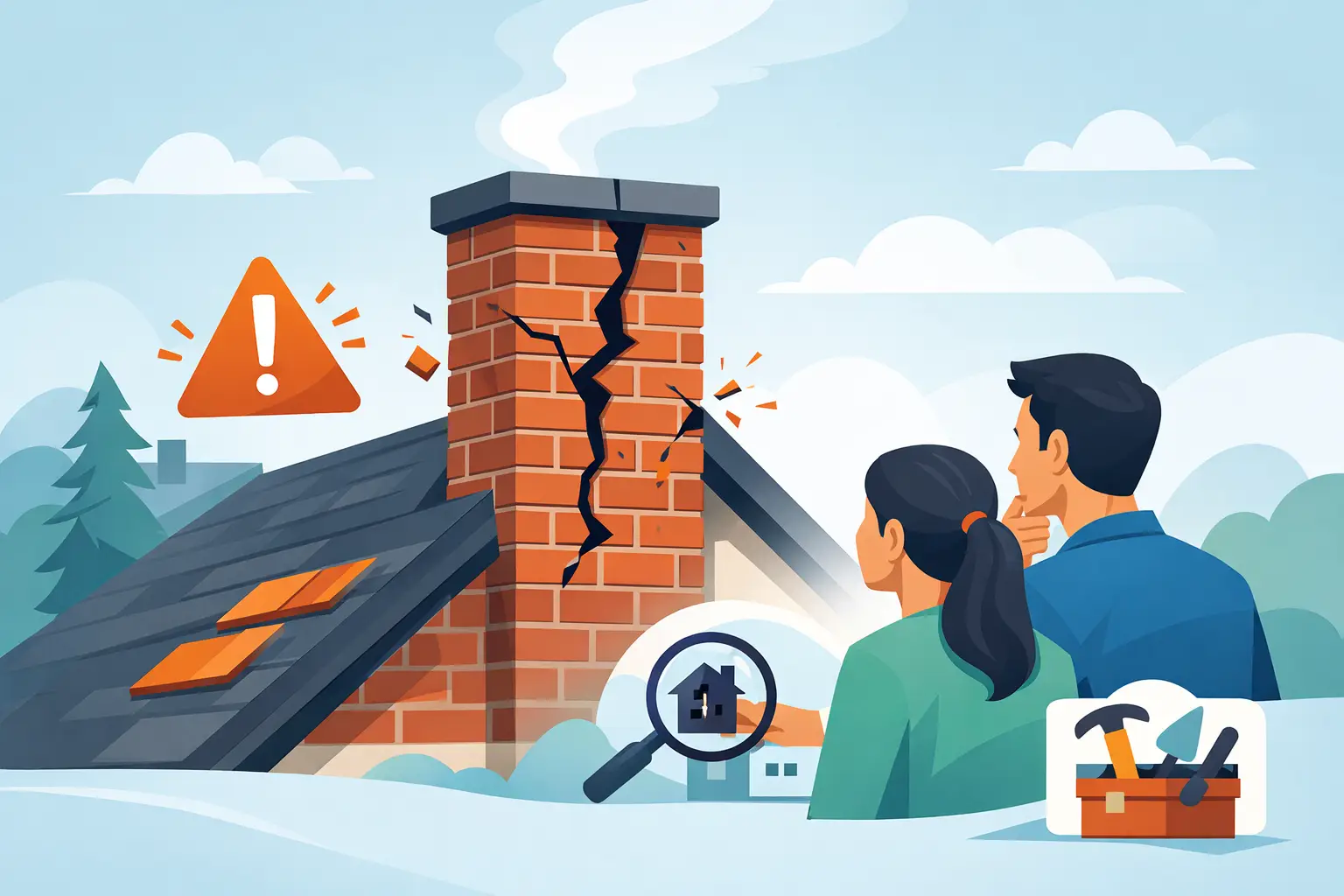
A crack near the top of a chimney can look minor from the yard, especially after a long Northeast Ohio winter. But a chimney is not simply a stack of bricks. It is part of a working heating system that manages heat, smoke, gases, and water. So, are chimney cracks dangerous? Some are. Others can be repaired before they become a major safety or structural problem. The key is knowing where the crack is, what caused it, and whether it affects the chimney’s masonry, crown, liner, or connection to your home.
A qualified chimney inspection replaces guesswork with a clear answer. At Chimney Sweeps and Masonry of America, we look at the entire system and recommend the repair that fits the actual condition – not an unnecessary replacement.
Chimney cracks can create three primary concerns: fire risk, carbon monoxide exposure, and water-driven structural damage. A crack in the exterior brickwork may allow moisture into the masonry. A crack in the flue liner can allow heat, smoke, and combustion gases to reach areas where they do not belong. A failing crown or shifting chimney can eventually threaten the stability of the stack itself.
The level of danger depends on the location and severity of the damage. A narrow surface crack in a concrete crown does not automatically mean your chimney is about to fail. However, leaving it exposed through repeated freeze-thaw cycles can turn a straightforward crown repair into damaged brick, loose mortar, interior leaks, and more extensive masonry work.
The most concerning cracks are those that affect the flue, run through multiple courses of brick, widen over time, appear alongside leaning or bulging masonry, or allow visible water into the home. If you use a fireplace, wood stove, or gas appliance connected to the chimney, do not continue using it when a serious crack is suspected until it has been inspected.
The crown is the concrete top that sheds water away from the flue and masonry. Hairline cracks are common as crowns age, but they should not be ignored. Rain and melting snow enter those openings, then freeze and expand during cold weather. Over several seasons, that cycle can break apart the crown and saturate the bricks below it.
A crown with small, stable cracks may be a candidate for professional sealing or resurfacing. A crown that is deeply cracked, crumbling, poorly sloped, or separating from the chimney usually needs repair or replacement. Proper crown work extends beyond filling a visible gap. It must direct water away from the chimney and accommodate the flue correctly.
Mortar is often the first part of a masonry chimney to show its age. Mortar joints that are missing, recessed, or cracked let water enter behind the face of the brick. Spalling – where the brick surface flakes or breaks away – is another sign that moisture has been trapped inside and freeze-thaw damage is underway.
Small areas of mortar deterioration can often be addressed with repointing. This process removes failed mortar to an appropriate depth and replaces it with compatible new mortar. Simply smearing mortar over the surface may look better for a short time, but it does not produce a durable repair.
Cracks that step diagonally through brick and mortar, run vertically for several feet, or are paired with a chimney that leans deserve prompt attention. These patterns can indicate movement in the structure, settlement, failed support, or long-term water damage. Masonry repair may be needed before the chimney can safely remain in service.
A damaged flue liner is one of the most significant chimney safety concerns. The liner protects the chimney structure and keeps heat, smoke, creosote, and combustion byproducts inside the intended passageway. When clay liner tiles crack, separate, or deteriorate, those byproducts may escape into surrounding masonry or nearby building materials.
For a wood-burning fireplace or stove, a compromised liner can increase the risk of a chimney fire affecting the structure. For gas appliances, liner damage can contribute to improper venting and carbon monoxide concerns. The problem is that liner cracks are frequently hidden from view. A chimney may look sound from the outside while the interior flue has damage that requires attention.
A camera inspection can help determine whether liner repair, relining, or another solution is appropriate. The right recommendation depends on the appliance, fuel type, flue size, chimney condition, and the extent of the damage.
Flashing is the metal system that seals the joint where the chimney meets the roof. Cracked mortar, loose brick, or failed flashing in this area often leads to roof leaks and stained ceilings near the chimney chase. Water can damage framing, insulation, drywall, and the chimney from the inside out before it becomes obvious indoors.
Not every leak around a chimney is caused by cracked masonry. It could be flashing, roofing, a damaged crown, or more than one issue. A complete evaluation is the best way to avoid repairing the wrong component.
Call for an inspection soon if you notice a new or growing crack, loose bricks, missing mortar, white staining on the masonry, rust around the damper or firebox, water stains near the chimney, or pieces of tile or masonry in the fireplace. A musty odor after rain, a fireplace that drafts poorly, or smoke entering the room can also point to moisture or flue problems.
Treat these conditions as urgent: a chimney that is visibly leaning, bulging walls, wide open cracks, falling bricks, a suspected flue fire, or carbon monoxide alarm activity. Leave the appliance off, move away from the affected area if necessary, and contact the appropriate emergency service when there is an immediate threat. A chimney contractor can assess repair needs once the situation is safe.
Carbon monoxide itself has no smell or color. Every home with fuel-burning equipment should have working carbon monoxide alarms installed and maintained according to manufacturer instructions and local requirements. Alarms are not a substitute for chimney maintenance, but they are an essential layer of protection.
Our local weather is hard on masonry. Chimneys face rain, snow, wind, temperature swings, and repeated freezing and thawing. Once water enters a small crack, it expands as it freezes. That expansion widens the opening and allows in even more water during the next storm.
Poor drainage can accelerate the process. Missing chimney caps, cracked crowns, damaged flashing, and worn mortar all give water a path into the system. A cap helps keep out rain, debris, and animals, while a properly built crown and sound flashing direct water away from vulnerable areas.
Age is part of the equation, but it is not the only factor. Older chimneys can remain dependable with timely maintenance, and newer chimneys can deteriorate early if water management or installation details were overlooked. The goal is to find the source of the damage and correct it before a cosmetic issue becomes a safety concern.
Start by avoiding do-it-yourself patching products until you know what is cracked. Surface caulk or masonry coating may temporarily hide a problem while moisture continues moving through the structure. It may also make a later diagnosis more difficult.
Take a few photos from the ground, noting when you first noticed the crack and whether it has changed. Do not climb onto the roof or lean a ladder against a questionable chimney. Then schedule a professional chimney inspection. A Level 1 inspection is often the appropriate starting point for a regularly used system with no known changes, while more detailed evaluation may be needed when damage is suspected or the flue cannot be adequately assessed through normal access.
During an inspection, the technician should look beyond the visible crack. That includes the crown, cap, flashing, brick and mortar, firebox, smoke chamber, damper, liner, and signs of moisture or creosote. Clear findings and repair options help you decide what needs immediate work, what can be planned, and what may only need monitoring.
The best repair is not always the biggest repair. Minor crown cracking may call for restoration and waterproofing. Deteriorated joints may need careful repointing. Damaged flashing may need replacement. A failing liner may require a properly sized new liner to restore safe venting. Structural cracks may call for more extensive masonry rebuilding.
What matters is that the repair addresses both the visible damage and the cause. For example, repointing bricks without correcting a cracked crown can leave the new mortar exposed to the same water intrusion. Installing a cap without addressing a damaged liner will not resolve a venting concern.
A cracked chimney deserves attention, but it does not always mean a complete rebuild. Early inspection gives homeowners in Trumbull, Mahoning, and Mercer counties the best opportunity to make a practical, durable repair. If you have noticed cracking, moisture, loose masonry, or changes in how your fireplace or stove performs, schedule an assessment before the next heating season or the next hard freeze makes the problem larger.
We are a member of The National Chimney Guild. Certified Chimney Professional
 Optimized by Seraphinite Accelerator