- 330-505-6800
- Info@alifeprotector.com
- 11 North Main St , Niles Ohio 44446.

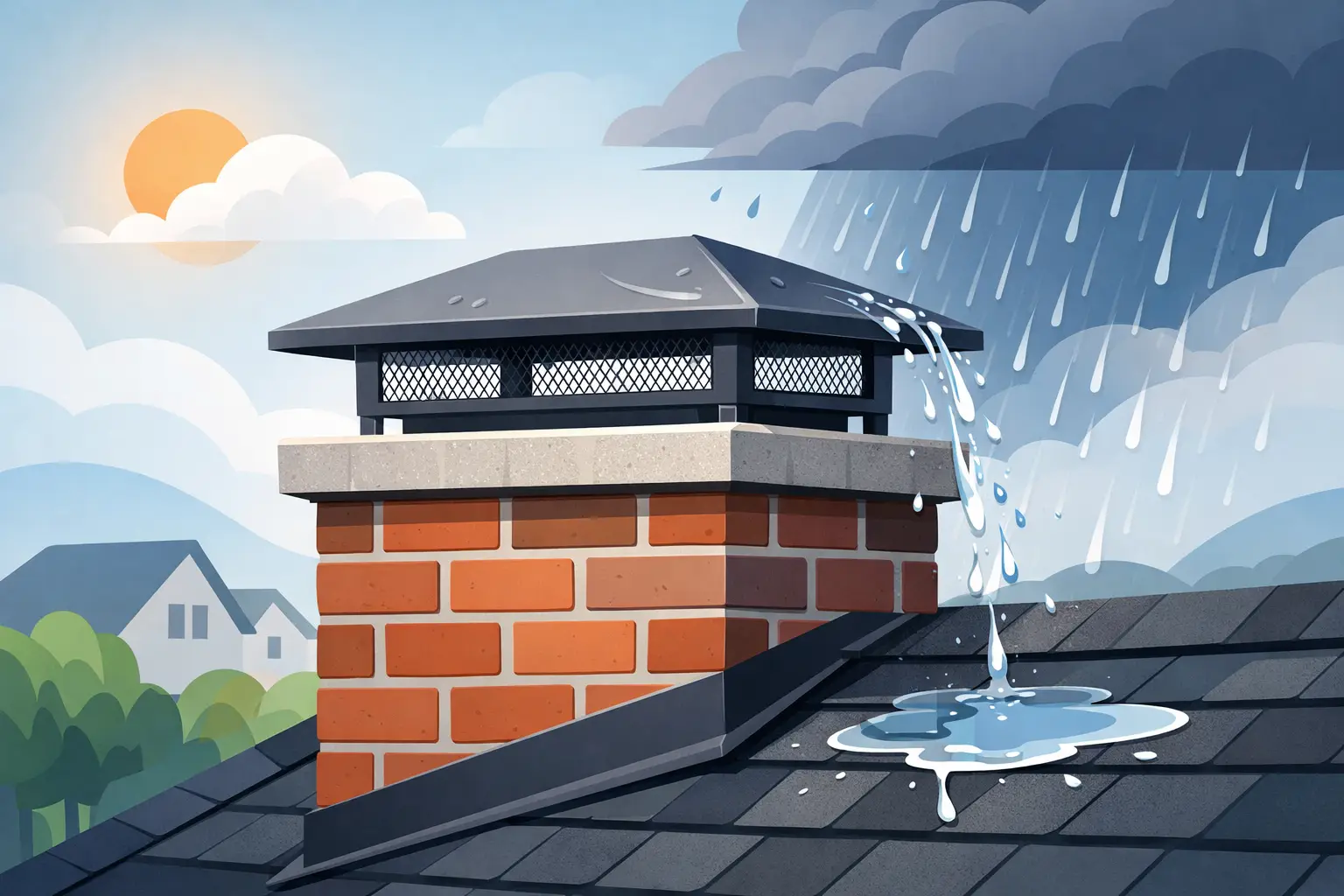
A missing or failing chimney cap can let a surprising amount of trouble enter from the top of a chimney. Rainwater, nesting animals, leaves, and windblown debris all have a direct path into the flue when it is left uncovered. Professional chimney cap installation is a straightforward way to protect the chimney system, but the right cap and installation method matter just as much as having one at all.
For homeowners in northeastern Ohio and nearby western Pennsylvania, that protection is especially valuable. Freeze-thaw weather, heavy rain, snow, and high winds can accelerate damage in an aging masonry chimney. A properly fitted cap helps keep moisture where it belongs: outside the chimney.
A chimney cap is a metal covering installed at the top of a flue or over the full chimney crown. Its mesh sides allow smoke and combustion gases to exit while helping prevent unwanted materials and animals from entering. It is a small component, but it supports several larger safety and maintenance goals.
First, a cap reduces water entry into the flue. Water can damage clay flue tiles, rust metal components, weaken mortar, and contribute to unpleasant odors in the fireplace. It can also soak into creosote deposits, creating acidic moisture that is hard on the chimney interior.
Second, the screen helps keep out birds, squirrels, raccoons, and other animals looking for warmth or nesting space. An animal nest can restrict draft, create a fire hazard, or cause smoke and carbon monoxide to back up into the home. Removing an established nest is more complicated than preventing one in the first place.
A cap also helps block leaves, twigs, and other debris. That does not replace routine chimney sweeping or a Level 1 inspection, but it can reduce the debris that reaches the firebox and flue between service visits.
Chimneys are not one-size-fits-all, and neither are chimney caps. The correct choice depends on the number and size of flues, the shape and condition of the crown, the fuel appliance being vented, and the chimney’s exposure to wind and weather.
A single-flue cap fits directly over one flue tile. It is often a practical solution when a chimney has one properly sized, structurally sound flue. A multi-flue cap spans the entire chimney top and is secured to the crown. This style can protect several flues at once and may provide broader coverage for a masonry chimney.
Material choice also affects long-term value. Galvanized steel is often the lower-cost option, though it may eventually rust in wet conditions. Stainless steel generally provides stronger corrosion resistance and is a dependable choice for many homes. Copper has a distinctive appearance and long service life, but it comes at a higher initial cost. The best material is not always the most expensive one. It should suit the chimney, the home’s exterior, and the owner’s maintenance priorities.
The cap must also provide adequate clearance for exhaust. A cap that is too small, poorly screened, or improperly positioned can interfere with draft. This is why chimney cap selection should be based on an inspection and accurate measurements, not a guess from the ground.
Homeowners sometimes use the terms cap and crown interchangeably, but they serve different purposes. The crown is the cement-like slab at the top of a masonry chimney. It sheds water away from the brickwork. The cap sits above the flue opening or crown and protects the flue itself.
If the crown is cracked, spalling, or missing its proper slope, installing a new cap alone may not resolve the water problem. Rain can still enter damaged crown material and reach the masonry below. In that situation, crown repair and chimney cap installation may be recommended together to address the actual source of deterioration.
Reliable installation begins with a close look at the chimney, not simply attaching a metal cover. A trained technician should check the flue tile or liner termination, crown condition, mortar joints, visible brickwork, and existing cap hardware. The inspection can reveal problems such as a loose flue tile, deteriorated crown, rusted damper components, or evidence of water inside the firebox.
The technician then measures the flue or chimney top and confirms that the selected cap is appropriate for the appliance. Wood-burning fireplaces, gas appliances, wood stove inserts, and other venting systems can have different requirements. A cap should never compromise safe venting in an effort to keep out weather.
For a flue-mounted cap, secure fasteners are typically used to hold the cap in place without cracking the flue tile. For a full-width cap, the installer anchors it carefully to the crown. The cap should sit level, remain stable in wind, and maintain sufficient space around the flue openings.
After installation, the work should include a final check of fit, security, and venting clearance. If there are signs of a blockage, draft issue, damaged liner, or excessive creosote, those concerns should be explained clearly. A trustworthy contractor will separate urgent safety needs from optional improvements and will not recommend replacement work that the chimney does not need.
The most obvious sign is a missing cap, but many damaged caps remain in place while providing little protection. Look up from a safe distance for a cap that is tilted, rusted through, bent, loose, or covered by an open animal nest. Do not climb onto the roof to inspect it yourself. Chimney tops can be slick, fragile, and difficult to access safely.
Inside the home, water stains near the fireplace, a musty odor, pieces of tile or debris in the firebox, and animal sounds in the chimney can all point to an issue at the top. Rust on the damper or fireplace doors may also indicate moisture entering the flue.
White staining on exterior brick, crumbling mortar, and flaking masonry are not always caused by a failed cap, but they warrant a professional assessment. Water can enter through damaged flashing, a cracked crown, porous masonry, or failed mortar joints as well. The solution depends on where the water is getting in.
A quality cap is preventive protection, not a cure-all. If smoke enters the room when the fireplace is used, the issue could involve the flue size, liner condition, chimney height, house pressure, or an obstruction. If water is leaking into the attic or along the roofline, damaged flashing may be the more likely concern.
Likewise, a cap will not repair cracked brick or failing mortar. Repointing, masonry repair, crown restoration, or flashing installation may be needed to preserve the chimney structure. Addressing these items early is usually more manageable than waiting until moisture has caused extensive damage.
This is where working with one local provider for chimney inspection, sweeping, liner work, and masonry repair can be helpful. Chimney Sweeps and Masonry of America can evaluate the full system and explain which repairs will protect safety, performance, and the life of the chimney.
Even a well-installed cap should be checked during regular chimney service. Mesh screens can collect soot, creosote, leaves, or nesting material. In some cases, fine mesh may clog more quickly, particularly on a heavily used wood-burning system. Cleaning and inspection help ensure the cap continues to protect the flue without restricting exhaust.
Schedule chimney service before the heating season whenever possible, especially if the fireplace or stove has not been used in several months. A trained professional can inspect the cap, sweep the flue if needed, and identify masonry concerns before cold weather makes them worse.
A chimney cap may be out of sight, but it should not be out of mind. A properly selected, securely installed cap is one practical investment that helps keep water, wildlife, and debris from turning a small opening at the roofline into a larger chimney repair.
We are a member of The National Chimney Guild. Certified Chimney Professional
 Optimized by Seraphinite Accelerator