- 330-505-6800
- Info@alifeprotector.com
- 11 North Main St , Niles Ohio 44446.
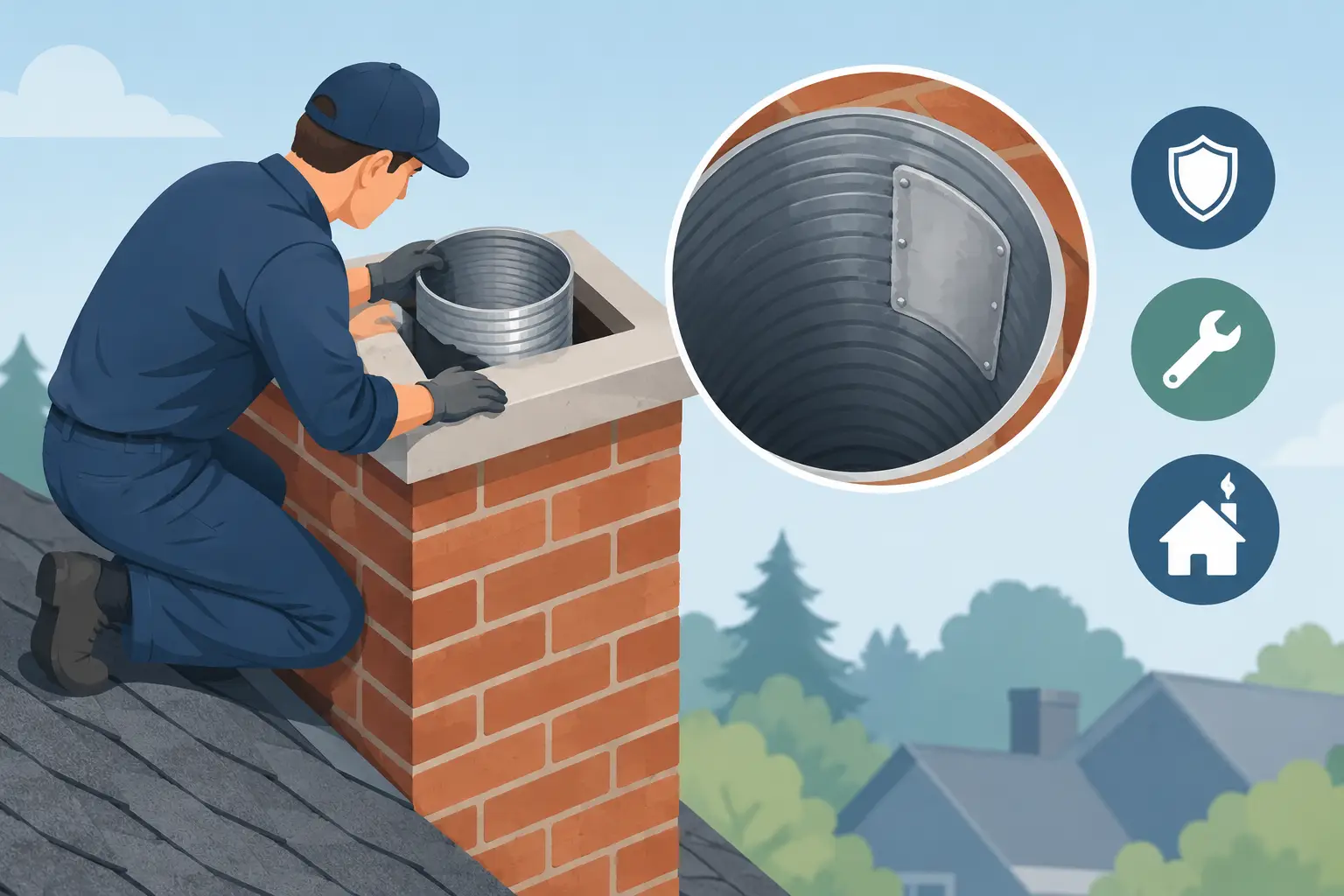
A chimney liner is not a cosmetic part of the system. It is the passage that carries smoke, heat, and combustion gases safely from your fireplace, stove, or furnace to the outdoors. So, can chimney liners be repaired? In many cases, yes – but the right answer depends on the liner material, the location and extent of damage, and the appliance connected to it.
For homeowners in northeastern Ohio and western Pennsylvania, liner concerns often surface after a chimney inspection, a water leak, a draft problem, or years of regular use. A clear assessment matters because a small defect may have a practical repair, while a badly deteriorated liner may need replacement to protect the home and restore safe performance.
A chimney liner can sometimes be repaired safely when the damage is localized and the remaining liner is sound. Repair is not simply a matter of covering a crack and hoping for the best. The liner must still be properly sized for the appliance, continuous from the appliance connection to the top of the chimney, and able to contain the heat and byproducts it was designed to handle.
The best way to determine whether repair is appropriate is a professional chimney inspection. A qualified technician can examine the flue for cracked clay tiles, separated joints, rusted metal, holes, missing mortar, creosote buildup, and signs that heat or moisture has reached the surrounding masonry. When the evidence points to a limited issue, a targeted repair may preserve the existing system. When it shows broader failure, relining is usually the safer and more durable recommendation.
This is one reason a chimney inspection should come before a price quote. The least expensive option is not always the best value if it leaves an unsafe section hidden inside the chimney.
Most residential chimneys have one of three liner types: clay tile, stainless steel, or a poured or resurfaced masonry liner. Each one fails differently and has different repair possibilities.
Clay tile liners are common in older homes. They are durable, but temperature changes, chimney fires, settling, moisture, and age can crack tiles or damage the mortar joints between them. A single accessible defect may sometimes be addressed through a specialized resurfacing system that creates a smooth, continuous flue surface inside the existing chimney.
However, extensive cracking, displaced tiles, or missing sections generally call for a new liner. Trying to patch several failing clay tiles individually is rarely a long-term answer, particularly when the chimney serves a wood-burning appliance. Heat, smoke, and creosote can enter gaps and affect the masonry or nearby combustible materials.
Stainless steel liners are frequently installed when an older chimney is relined for a wood stove, fireplace insert, gas appliance, or furnace. They are reliable when properly sized, installed, and maintained. Still, stainless liners can develop corrosion, loose connections, crushed sections, or holes over time.
A damaged top connection, cap, or short section may sometimes be corrected. But if the liner itself is perforated or corroded in multiple places, replacement is commonly the responsible choice. Combustion gases can escape through even small openings, and a compromised liner cannot do its job reliably.
The grade of stainless steel also matters. Fuel type, appliance efficiency, moisture exposure, and venting temperatures all affect how a liner holds up. A professional recommendation should account for the appliance you use, not just the diameter of the old flue.
Some chimneys are repaired with a poured liner system or a ceramic resurfacing product. These methods can be effective for restoring certain damaged masonry flues, especially where clay tile damage is present but the chimney structure remains stable.
They are not a universal solution. The chimney must be suitable for the process, and the finished flue must meet the needs of the connected appliance. A liner that is too small can create draft and performance problems; one that is improperly matched can shorten appliance life or create unsafe venting conditions.
Many liner problems cannot be seen from the fireplace opening. That is why routine inspections are valuable, particularly before the heating season. Still, several warning signs deserve prompt attention:
These signs do not automatically mean the liner must be replaced. Smoke in the room, for example, can also result from a blockage, a cold flue, negative air pressure, or an appliance issue. But they do mean the system should be inspected before continued use.
A liner failure is often part of a larger chimney problem. Water is one of the most common causes. Rain and snow can enter through a missing or damaged chimney cap, cracked crown, failed flashing, open mortar joints, or deteriorated masonry. Once moisture gets into the chimney, freeze-thaw cycles can worsen cracks, corrode metal parts, and weaken the structure around the liner.
If only the liner is addressed while the water entry point remains open, the new repair may not last. The same principle applies to creosote. Heavy creosote buildup and chimney fires can damage liners, but they can also indicate that the appliance, fuel, or burning practices need attention.
A complete recommendation should consider the whole venting system: the appliance connection, liner, chimney cap, crown, flashing, masonry, and exterior drainage. This does not mean every chimney needs every service. It means the repair plan should solve the actual problem instead of treating one visible symptom.
Relining is usually the better option when a liner has widespread cracks, major corrosion, multiple separated sections, an incorrect size, or damage following a chimney fire. It is also often recommended when an appliance has been changed. A new wood stove insert, gas insert, or high-efficiency heating appliance may require a liner sized and approved specifically for that unit.
Replacement can feel like a larger project, but it may offer better long-term value than repeated repairs to an aging system. A properly installed liner helps improve draft, contain combustion byproducts, protect the chimney masonry, and support more efficient appliance operation.
There are trade-offs. A repair may be less invasive and cost less when damage is limited. A new liner may cost more upfront but provide a more dependable solution when the existing flue is near the end of its service life. An honest inspection helps homeowners make that decision based on condition rather than pressure.
Chimney liner work affects fire safety and carbon monoxide safety. It also involves code requirements, appliance manufacturer specifications, and conditions that are difficult to assess without the right tools and experience. A visual look up from the firebox is not enough to confirm that the full liner is sound.
A Level 1 chimney inspection is a practical starting point for many homeowners who use their system regularly and have not noticed a problem. If damage is suspected, further evaluation may be needed to understand the full condition of the flue. The goal is straightforward: identify whether cleaning, a targeted repair, masonry work, or relining will return the system to safe operation.
Chimney Sweeps and Masonry of America helps homeowners throughout Trumbull, Mahoning, and Mercer counties evaluate chimney liners alongside the rest of the chimney system. Clear findings and durable workmanship help you address necessary repairs without being pushed into work your chimney does not need.
Before you light the first fire of the season, schedule an inspection if your chimney has not been evaluated recently or if you have noticed any change in how it performs. A sound liner is one of the quietest protections in your home – and one of the most worthwhile to keep in working order.
We are a member of The National Chimney Guild. Certified Chimney Professional