- 330-505-6800
- Info@alifeprotector.com
- 11 North Main St , Niles Ohio 44446.

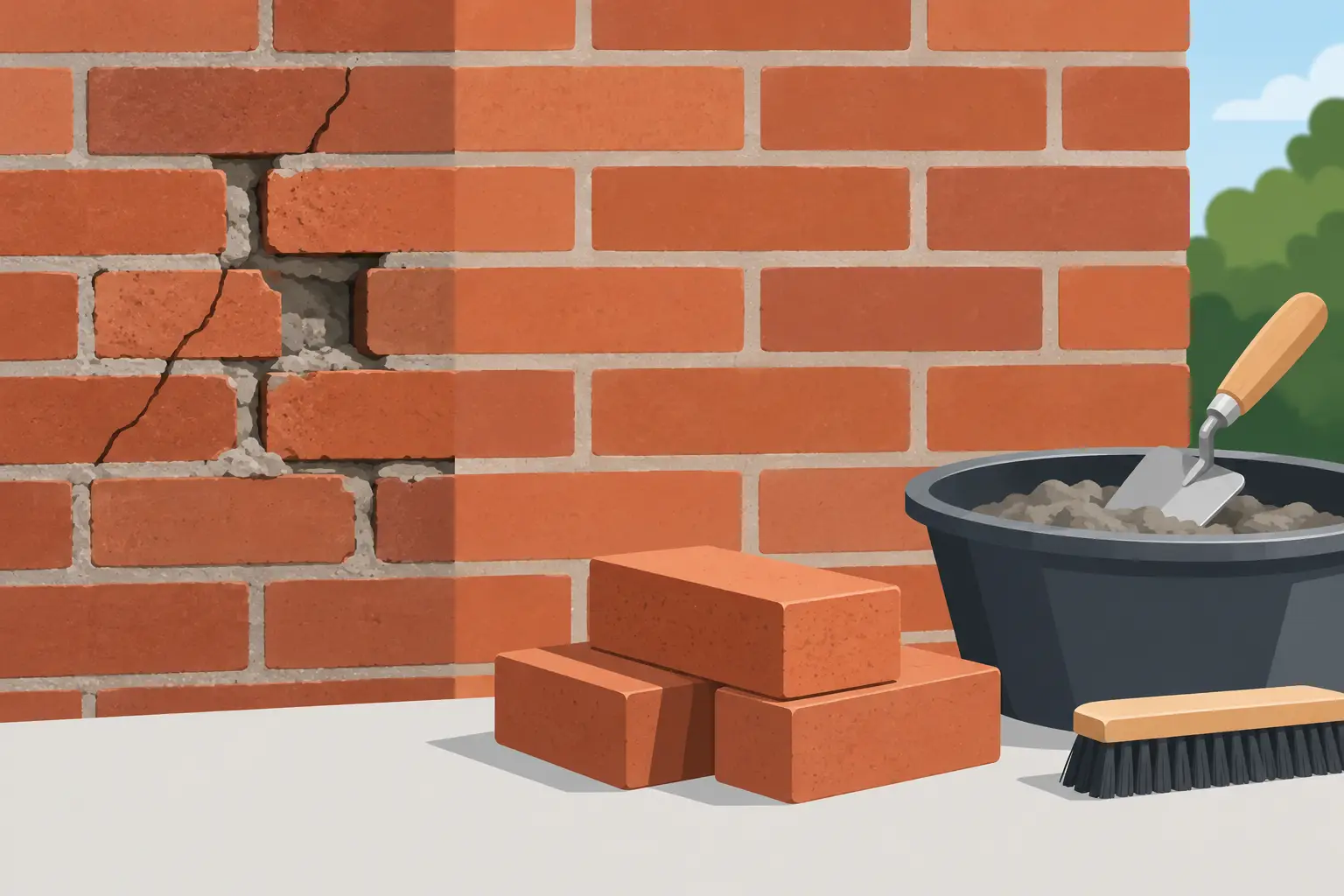
A chimney repair can be structurally sound and still look wrong if the new work does not belong with the original masonry. Brick mortar matching is the detail that helps a repair blend into an existing chimney, fireplace, wall, or porch while also supporting the long-term health of the masonry. For homeowners across northeastern Ohio and western Pennsylvania, that matters because older brickwork often faces years of freeze-thaw weather, moisture, and past repairs made with materials that were too hard or poorly matched.
The goal is not simply to make new mortar look old. A proper match considers color, texture, joint profile, and, most importantly, how the mortar performs with the brick around it. When those details are handled carefully, repaired masonry can remain durable, protect against water intrusion, and preserve the character of the home.
Mortar is the material between masonry units, but it does much more than fill a gap. In a traditional brick chimney or wall, mortar is intended to be the more forgiving part of the system. It helps manage minor movement and should allow moisture to escape rather than trapping it inside the brick.
A color mismatch is easy to spot, especially on a front-facing chimney or a historic home. However, a strength mismatch can be more serious. If a very hard modern mortar is used with soft, older brick, moisture and movement may cause the brick itself to crack, flake, or deteriorate. Replacing damaged bricks is usually more involved than repointing a failed joint.
That is why a quality masonry repair begins with an assessment of the existing materials. The right answer depends on the age and condition of the structure, the type of brick, the location of the repair, and the exposure to weather. A newer chimney may need a different mortar approach than a century-old brick home.
Mortar changes over time. Sun exposure, rain, soot, dirt, and natural aging can all alter its original appearance. Matching it well requires more than picking a bag of mortar that looks close in the store.
Mortar color comes from the base materials, added pigments, and the sand used in the mix. Sand is especially influential because its grains show at the surface once the mortar is finished. A repair may require a warm tan, cool gray, buff, or slightly red-toned mortar to blend with surrounding joints.
A skilled mason may prepare small test samples and allow them to cure before making a final decision. Fresh mortar often looks different from cured mortar, and cured mortar can look different again when it is wet. Looking at samples beside the existing masonry in natural daylight gives the most reliable comparison.
The surface texture should also work with the original masonry. Some older joints have a rougher, sand-forward appearance. Others are smoother and more compact. Tooling a joint too neatly or too flat can make a repair stand out, even if the color is close.
Joint shape affects both appearance and water performance. Concave, flush, weathered, and raked profiles each create a different shadow line across the wall. On a chimney, the right profile helps shed water while maintaining the existing look.
The composition of the mortar needs to be compatible with the surrounding brick. Mortar types vary in compressive strength and flexibility. A strong mortar can be appropriate for some modern construction, but it is not automatically better.
Older, softer brick often benefits from a more compatible mortar that is less rigid and more vapor-permeable. This allows the mortar joint to take the stress that might otherwise damage the brick face. A masonry professional can evaluate whether the existing mortar is sound, overly hard, sandy, cracked, or separating from the brick.
Repointing is the process of carefully removing failed mortar from joints and installing new, compatible mortar. It is not a cosmetic shortcut. Done correctly, it restores the weather-resistant surface of the masonry without disturbing sound brickwork.
Homeowners often notice crumbling or missing mortar first. Other warning signs include open joints, loose brick, stair-step cracking, damp spots near the fireplace, white mineral deposits, or pieces of mortar collecting at the base of the chimney. Water can enter through failing joints, then freeze during Ohio winters and push the masonry farther apart.
Not every crack means a chimney needs major reconstruction. Sometimes targeted repointing, crown repair, flashing work, or a chimney cap can address the source of moisture before more extensive damage develops. An honest inspection should identify what is necessary now and what can be monitored over time.
Small mortar repairs may look straightforward, but the work calls for more than filling a joint with a premixed patch. The deteriorated mortar needs to be removed to an appropriate depth without chipping the brick edges. The joint must be cleaned and prepared so the new mortar can bond properly. Moisture conditions matter as well, particularly during hot, dry, freezing, or wet weather.
The most common issue is using the wrong mortar. Another is smearing mortar across the brick face, which can leave permanent staining and make a repair look careless. Rushing the finishing process can also create joints that hold water rather than directing it away.
For chimney masonry, access and safety add another layer of concern. Roof pitch, height, deteriorated brick, and nearby power lines can turn a seemingly minor repair into a risky project. Professional crews have the equipment and experience to assess the full chimney system while completing the masonry work.
A chimney is exposed on all sides and receives more weather than most masonry walls. When mortar is failing near the top, the underlying cause may be a cracked crown, missing cap, damaged flashing, or water entering through an unprotected flue. Repointing those joints without correcting the source of water may only delay the next repair.
This is where a complete evaluation is valuable. The masonry should be reviewed alongside the crown, cap, flashing, brick condition, and visible chimney structure. If the chimney serves a fireplace, wood stove, or gas appliance, its venting system also deserves appropriate inspection and maintenance. Exterior repairs protect the structure, while cleaning, inspection, and liner work help support safe appliance operation.
Chimney Sweeps and Masonry of America approaches these concerns as connected parts of one system. The recommendation should fit the actual condition of the home, not a one-size-fits-all repair package.
Once repointing or masonry repair is complete, good maintenance can extend its service life. Keep gutters and downspouts functioning so water does not repeatedly wash over brickwork. Trim branches that rub against the chimney or keep the area damp. Watch for flashing problems after high winds and inspect the chimney from the ground each season for loose material or new discoloration.
Avoid applying paint or an unproven coating to aging brick in an effort to stop moisture. Some products can trap moisture inside the wall and worsen deterioration. If a water-repellent treatment is being considered, it should be selected for the specific masonry and used only after the repair source has been addressed.
A periodic professional inspection is also a practical way to catch small concerns early. Mortar does not usually fail overnight. Early attention to a few open joints can help prevent a larger repair involving loose brick, interior leaks, or chimney instability.
A well-matched mortar repair should look like it has always been part of the home while doing the hard work of protecting it through every season. If your chimney or masonry shows missing mortar, moisture damage, or visible patchwork from an earlier repair, a careful assessment can help you choose a durable, appropriate next step.
We are a member of The National Chimney Guild. Certified Chimney Professional
 Optimized by Seraphinite Accelerator