- 330-505-6800
- Info@alifeprotector.com
- 11 North Main St , Niles Ohio 44446.

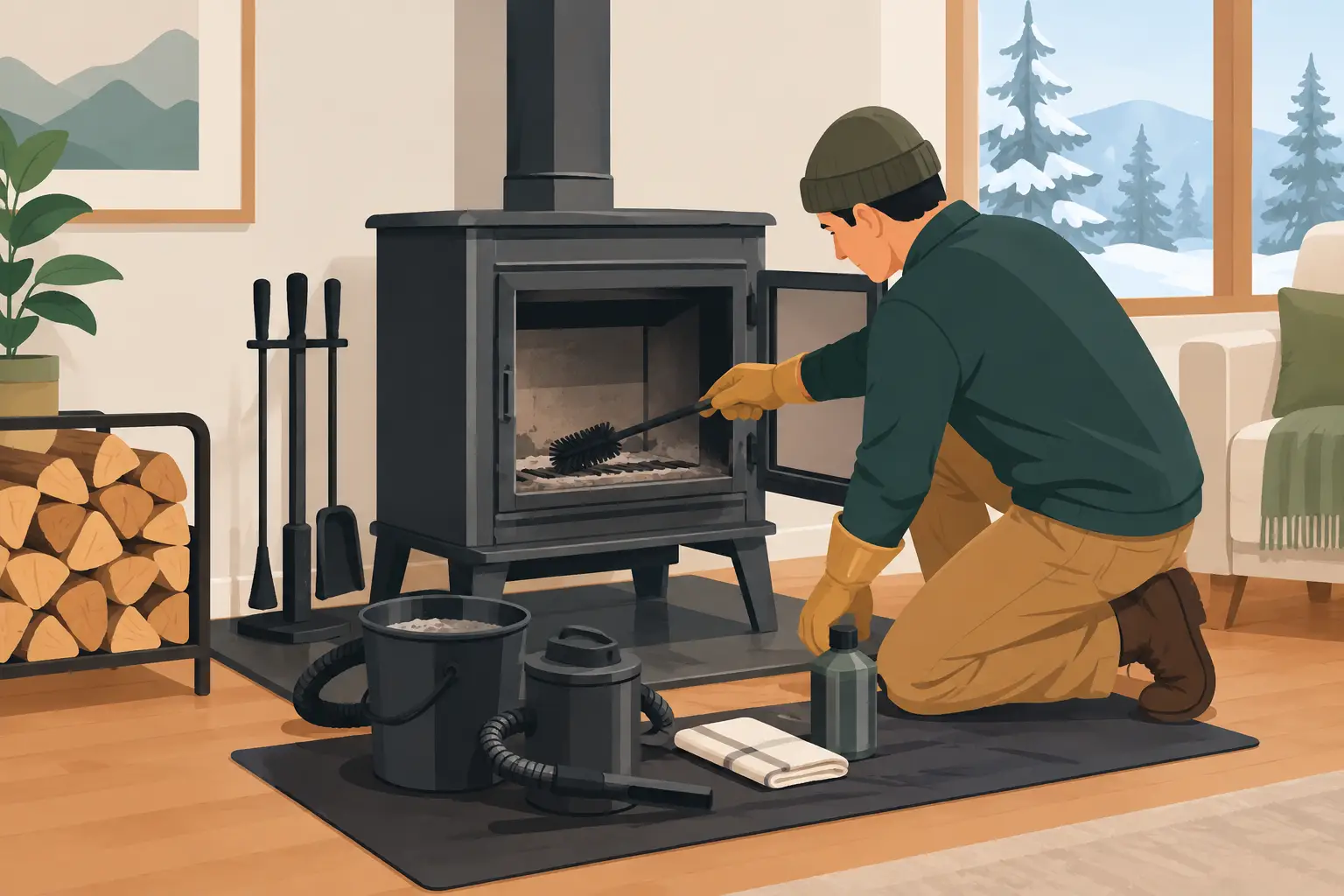
A wood stove earns its place in a northeastern Ohio or western Pennsylvania home on the coldest nights, when dependable heat matters most. To maintain a wood stove properly, homeowners need to care for more than the firebox. The stove, connector pipe, chimney, fuel, and surrounding hearth all work together. A problem in one area can affect safety, efficiency, and the life of the entire system.
Regular attention does not mean taking apart your stove every weekend. It means building a few sound habits during heating season, recognizing changes before they become major issues, and scheduling qualified service before the next long stretch of cold weather.
The wood you burn has a direct effect on how much creosote forms in the chimney. Creosote is the dark, combustible residue created when smoke cools and condenses inside a flue. It is a leading factor in chimney fires, and wet wood is one of the fastest ways to produce more of it.
Burn only properly seasoned firewood. Split wood should be dried under cover with good airflow, rather than stacked directly on the ground or tightly wrapped in a tarp. A moisture meter is a useful tool for homeowners who burn often. Firewood at or below 20 percent moisture generally burns more completely, produces steadier heat, and leaves less residue behind.
Avoid burning household trash, glossy paper, cardboard with coatings, pressure-treated lumber, painted wood, or construction scraps. These materials can release harmful fumes, create excessive deposits, and damage stove components or the chimney liner. Wood stoves are designed for clean, dry cordwood, not for disposing of waste.
A smoldering fire may look as though it is conserving fuel, but low-temperature burning can increase smoke and creosote. Start fires with dry kindling and small splits, then allow the stove and flue to warm up before reducing the air supply. Once the fire is established, adjust the stove according to the manufacturer’s instructions.
You should not see heavy, dark smoke pouring from the chimney for long periods. Some smoke during startup is normal, especially in cold weather, but persistent visible smoke can point to wet fuel, restricted airflow, an operating issue, or a chimney that needs attention.
Do not overload the firebox. A stove packed too tightly can overfire, placing stress on metal components, firebrick, baffles, and the chimney system. Signs of overfiring include a glowing stovepipe or stove body, an unusually loud draft, warped parts, or a strong hot-metal smell. If you suspect your stove has overfired, stop using it until a qualified professional can evaluate the system.
Routine cleaning is part of safe ownership, but it should be done carefully and only after the stove is completely cool. Ash can hold heat for days, even when it appears harmless. Leave a thin layer of ash on the firebox floor if your stove manufacturer recommends it, as this can help protect the base and insulate the next fire.
Remove excess ash before it reaches the air inlets or begins to interfere with loading wood. Place ashes in a metal container with a tight-fitting lid. Set that container outdoors on a noncombustible surface, well away from the house, garage, deck, firewood, or other combustible materials. Never use a plastic bucket, paper bag, or cardboard box for ash disposal.
While cleaning, look over visible stove parts. Firebrick should be secure and mostly intact. Minor surface cracks may not always require replacement, but crumbling bricks, missing pieces, or significant gaps should be addressed. Check the door gasket by closing the door on a strip of paper. If the paper slides out easily at several points, the gasket may no longer be sealing well.
Door gaskets, glass gaskets, handles, hinges, baffles, and catalytic components all wear differently depending on the stove model and how often it is used. Replacement parts should match the manufacturer’s specifications. A generic repair can affect performance and may not be appropriate for the appliance.
Clean stove glass only when it is cool. A soft cloth and a cleaner approved for stove glass are usually sufficient. Abrasive pads or household glass cleaners can scratch the surface or damage specialty coatings. If the glass darkens rapidly after cleaning, the stove may be burning wet wood, receiving too little air, or operating at low temperatures too often.
The pipe between the stove and chimney is often called the connector pipe or stovepipe. It is exposed to high heat, and it can collect deposits more quickly than some homeowners expect. Look for rust, loose joints, corrosion, warped sections, or staining near the pipe connections. Any changes around the joints deserve professional attention, especially if you notice smoke odors indoors.
Outside, check the chimney from the ground. Look for loose or damaged chimney caps, cracked crowns, deteriorated mortar joints, displaced flashing, or water stains on nearby ceilings and walls. Water intrusion is not merely an exterior masonry concern. Moisture can accelerate liner deterioration, corrode metal components, and weaken a chimney over time.
Do not climb onto the roof or attempt interior chimney repairs without the right training and equipment. Chimneys combine height, masonry, combustion byproducts, and concealed structural conditions. An experienced chimney professional can evaluate the visible and hidden parts of the system without guesswork.
A professional chimney sweeping removes accumulated soot and creosote from the flue and connector pipe. Just as importantly, an inspection checks whether the chimney is venting properly and whether its components remain in serviceable condition.
For most wood stove systems, an annual inspection is the practical baseline, ideally before the heating season begins. Homes that burn wood heavily, use the stove as a primary heat source, or have experienced burning problems may need more frequent cleaning. The right interval depends on actual use and the condition found during service, not a one-size-fits-all sales recommendation.
A Level 1 chimney inspection is appropriate for many regularly used systems when there have been no major changes. It includes an examination of readily accessible parts of the chimney and appliance connection. If a stove was newly installed, a liner was added, a chimney fire occurred, or there are signs of damage, a more detailed evaluation may be needed.
Call for service promptly if you notice a smoke smell when the stove is not in use, smoke entering the room, weak draft, a sudden increase in creosote, falling debris in the firebox, damaged chimney masonry, or a change in how the stove burns. After any suspected chimney fire, do not use the stove again until the chimney and appliance have been professionally inspected.
A well-maintained stove can still be unsafe if the area around it changes. Keep furniture, curtains, rugs, firewood, clothing, and seasonal decorations outside the clearance distances specified by the stove manufacturer and applicable local requirements. Clearances can vary by appliance, connector pipe type, wall protection, and installation details.
Keep a working smoke alarm and carbon monoxide alarm in the home, following the alarm manufacturer’s placement instructions. Test them regularly and replace batteries or units as directed. Carbon monoxide has no smell or color, so an alarm is an essential layer of protection, not an optional accessory.
Use a sturdy hearth tool set and a proper stove glove when tending the fire. If children or pets are in the home, a heat-resistant safety gate can help prevent contact with hot surfaces. These simple precautions make daily use safer without taking away from the comfort a wood stove provides.
When heating season ends, remove ash after the stove has been fully cold and clean the firebox as recommended by the manufacturer. Leave the stove dry, and address damaged brick, gaskets, or corroded pipe sections before fall. Summer is also a good time to handle chimney cap, crown, flashing, liner, or masonry repairs without the pressure of needing heat immediately.
For homeowners in Trumbull, Mahoning, and Mercer counties, Chimney Sweeps and Masonry of America can inspect the full system, from the wood stove connection and liner to the chimney structure above the roofline. Clear recommendations allow you to address genuine safety and maintenance needs while preserving components that are still performing as they should.
A wood stove should provide steady warmth, not lingering concern. Set a reminder for your annual inspection, burn clean seasoned wood, and treat changes in performance as a reason to ask questions early. That approach protects your home and helps your stove remain a reliable source of heat for many winters to come.
We are a member of The National Chimney Guild. Certified Chimney Professional
 Optimized by Seraphinite Accelerator