- 330-505-6800
- Info@alifeprotector.com
- 11 North Main St , Niles Ohio 44446.

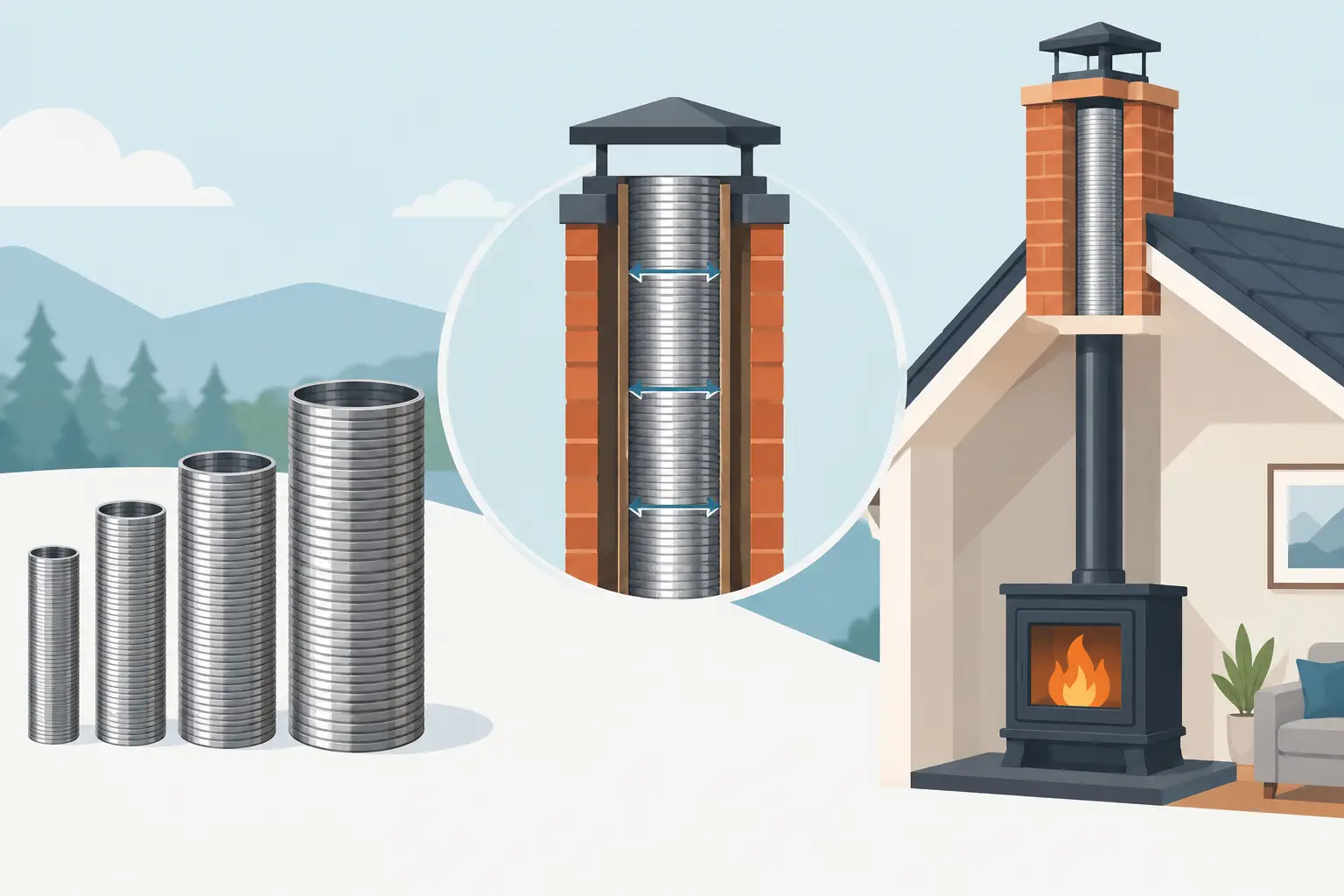
A chimney liner that is too small can choke a fireplace or appliance. One that is too large can cool flue gases too quickly, weaken draft, and contribute to condensation or creosote buildup. Proper chimney liner sizing is not a matter of choosing the biggest liner that will fit inside the masonry chimney. It is a safety and performance decision based on the specific appliance, fuel, chimney height, and condition of the existing system.
For homeowners across northeastern Ohio and western Pennsylvania, liner questions often come up during a chimney inspection, after installing a wood stove insert, or when an older clay-tile flue has cracks or deterioration. The right answer depends on the home. A qualified chimney professional should measure the system and evaluate the full venting path before recommending a liner.
A chimney liner contains combustion byproducts and directs them outside. It also helps create the draft that allows a fireplace, stove, furnace, or water heater to vent properly. When the liner is sized appropriately, exhaust moves through the flue at the speed and temperature the appliance needs.
An undersized liner can restrict the flow of smoke or exhaust. With a wood-burning appliance, that may mean smoke entering the room when a door is opened, a sluggish fire, or excessive creosote accumulation. With gas or oil equipment, improper venting can create more serious concerns, including the possibility of carbon monoxide entering the building.
An oversized liner has its own problems. The larger interior space can allow flue gases to cool before they reach the top of the chimney. Cooler gases do not draft as effectively, and moisture may condense inside the liner or chimney. Over time, this moisture can damage masonry, contribute to staining, and shorten the life of the venting system.
The goal is not simply to make the chimney work. It is to create a reliable, high-quality venting path that supports efficient operation and protects the chimney structure.
The appliance is the starting point. A wood stove, pellet stove, fireplace insert, open masonry fireplace, gas appliance, and oil-fired appliance all have different venting requirements. The manufacturer’s installation instructions are especially important for factory-built stoves and inserts. Those specifications typically identify the required flue diameter, acceptable venting configurations, and limits related to height or offsets.
For a wood stove insert, the outlet collar on the appliance often indicates the liner diameter needed. A 6-inch outlet commonly requires a 6-inch liner, but it is not safe to assume that every installation follows the same rule. The appliance manual and applicable code requirements always take priority.
Chimney height matters as well. A tall, straight chimney may produce stronger draft than a short chimney with several bends. The location of the chimney can affect performance, too. A chimney running through the warm interior of the home generally stays warmer than one built along an exterior wall. Those conditions can influence whether an insulated liner is recommended and how the system should be configured.
The existing flue also has to be measured. A liner must fit through the chimney without being crushed, excessively ovalized, or installed with unsafe gaps and connections. Clay tiles that are cracked, misaligned, or too small may need to be removed or modified before a properly sized liner can be installed. This is one reason estimates based only on a chimney’s exterior appearance can be misleading.
Homeowners often ask for a liner by diameter alone, such as a 6-inch or 8-inch liner. Diameter is important, but cross-sectional area is what determines how much space is available for flue gases. A round liner, oval liner, and rectangular clay-tile flue may have very different areas even when one measurement appears similar.
For example, changing from a round liner to an ovalized liner may help a professional fit the proper venting area through a narrow masonry flue. That can be an effective solution when handled correctly. However, flattening a liner too aggressively just to avoid masonry work can reduce its area and restrict draft. A good installation balances fit, appliance requirements, insulation needs, and long-term serviceability.
A fireplace is not sized the same way as a closed wood stove or insert. Open masonry fireplaces move a much larger volume of air, and their flue sizing is traditionally connected to the fireplace opening and chimney design. A liner that works well for a 6-inch stove outlet would not be appropriate for a large open fireplace.
There are also performance trade-offs with older fireplaces. Some large masonry fireplaces were built with oversized flues, which can contribute to a cold, smoky start and weak draft. Relining may help in certain situations, but the correct solution may instead involve repairs to the firebox, smoke chamber, damper area, or chimney height. A thorough inspection helps identify the real cause rather than treating every draft complaint as a liner problem.
If you are converting a fireplace to a wood stove insert, the sizing discussion changes completely. The insert manufacturer’s instructions and the connector between the appliance and liner guide the installation. In many cases, a full-height stainless steel liner is the safest and most dependable approach.
Insulation does not change the appliance’s required flue size, but it can be critical to the system’s performance. An insulated liner holds heat longer, which supports stronger draft and reduces the chance of flue gases cooling below the point where moisture condenses. It can also provide an additional layer of protection where clearances to combustible materials are a concern.
Whether insulation is needed depends on the chimney construction, local requirements, appliance type, liner material, and condition of the existing flue. Exterior chimneys and chimneys serving wood-burning appliances often benefit from insulation because they are more exposed to cold temperatures.
Space inside the flue can complicate the decision. A chimney may have enough room for the correct liner but not enough room for that liner plus insulation. In that case, a professional may evaluate an oval liner, removal of damaged clay tiles, or another approved installation method. Skipping insulation without understanding the consequences may solve a short-term fit problem while creating a long-term draft or moisture problem.
A chimney inspection is the best way to assess liner condition and sizing, especially when the liner is hidden inside masonry. Still, homeowners should pay attention to changes in how their system operates. Smoke spilling into the room, a fireplace or stove that becomes harder to start, recurring odor problems, wet stains on masonry, and unusual amounts of creosote can all point to venting concerns.
Visible rust at the damper, appliance connector, or chimney cap can also indicate condensation. With gas appliances, white residue on masonry or vent components may signal that acidic moisture is affecting the system. These symptoms do not automatically mean the liner needs replacement. They do mean the system should be evaluated before another heating season.
Never try to select or install a liner based only on a tape measurement at the top of the chimney. Chimneys can have offsets, hidden damage, changing tile dimensions, and clearance issues that are not visible from the roofline.
Proper liner sizing begins with accurate information. A chimney professional should identify the appliance, review its specifications, inspect the chimney interior, measure the flue path, and check the cap, crown, flashing, and surrounding masonry for conditions that could affect the installation. For an existing fireplace or stove, the inspection should also look for signs of heat damage, creosote, water entry, and deteriorated mortar.
This process protects homeowners from unnecessary work. Sometimes a chimney only needs cleaning, a minor repair, or a correction to a connector. Other times, a damaged or improperly sized liner is the central safety issue and should be addressed promptly. Clear recommendations should explain what was found, why it matters, and what options are appropriate for the property.
Chimney Sweeps and Masonry of America helps local homeowners evaluate chimney liners as part of the complete chimney and hearth system. The focus is on safe venting, durable workmanship, and practical recommendations that fit the appliance and the home.
Before relying on your fireplace, stove, or heating appliance this season, schedule a professional inspection if you have questions about draft, liner condition, or chimney liner sizing. A correctly sized liner can make the system easier to use, safer to operate, and better prepared for the winters ahead.
We are a member of The National Chimney Guild. Certified Chimney Professional
 Optimized by Seraphinite Accelerator