- 330-505-6800
- Info@alifeprotector.com
- 11 North Main St , Niles Ohio 44446.

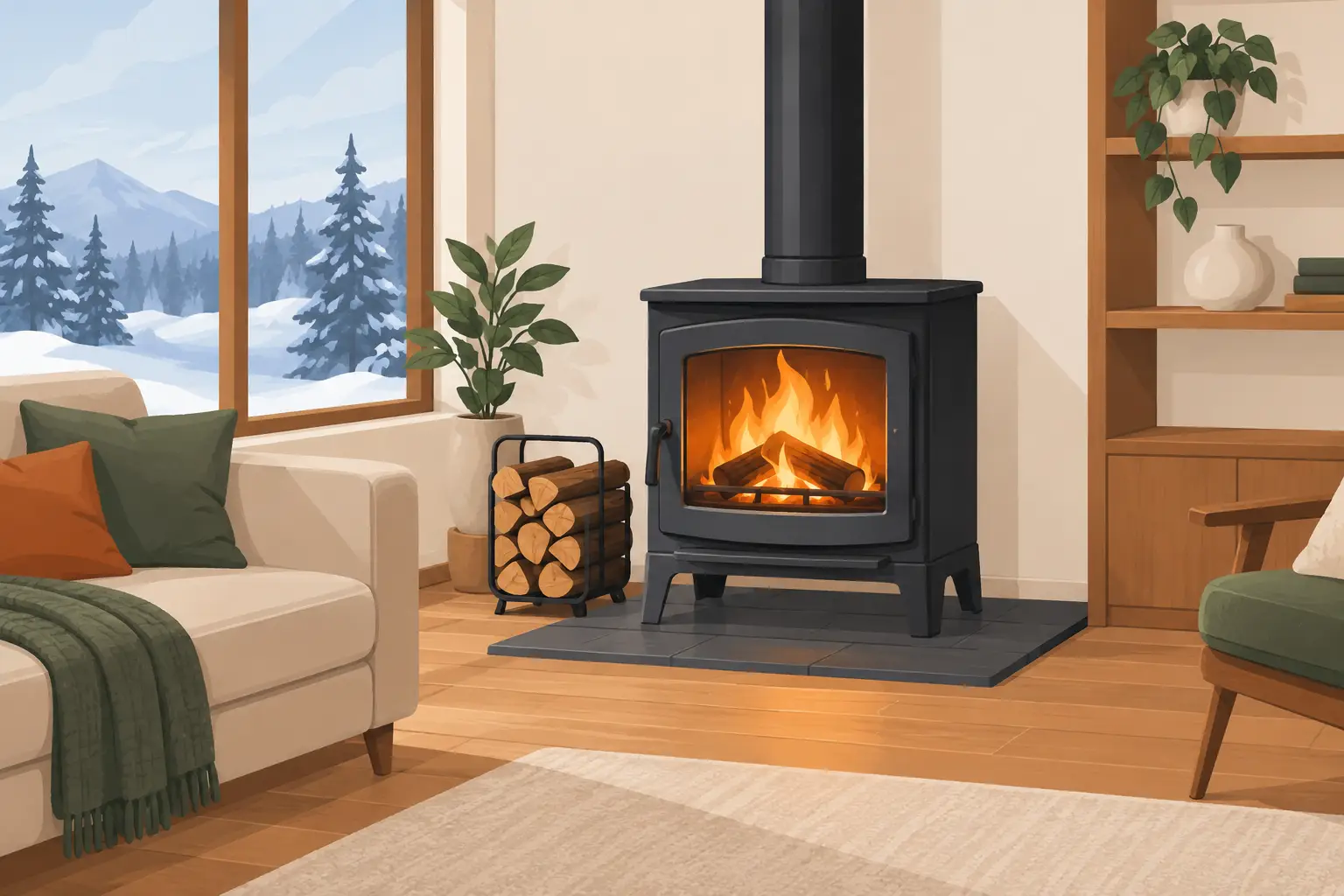
A wood stove can make a Northeast Ohio or western Pennsylvania home feel warmer, more comfortable, and less dependent on a central heating system. But wood stoves are not simply appliances that sit in the corner of a room. They are part of a complete venting system that includes the stove, connector pipe, chimney, liner, hearth protection, and the home itself.
When that system is properly installed, maintained, and operated, a wood stove can provide dependable supplemental heat for years. When it is neglected or mismatched to the chimney, the risk of chimney fire, smoke problems, carbon monoxide exposure, and costly masonry damage increases. The difference often comes down to routine care and getting clear answers before a small issue becomes a major repair.
A wood stove produces intense heat and combustion byproducts. Those byproducts must rise through the stovepipe and chimney efficiently, without leaking into the home or building up as creosote inside the flue. A clean-looking stove does not necessarily mean the venting system is safe.
Creosote is a sticky, flammable residue created when wood smoke cools and condenses in the chimney. It is more likely to accumulate when wood is damp, fires are allowed to smolder, the chimney is oversized, or the flue is too cool for the appliance. Even a well-operated stove can develop creosote over a heating season.
The chimney also needs to be structurally sound. Missing mortar, cracked crowns, failed flashing, loose caps, and damaged liners allow water and weather into areas that should remain protected. In our climate, repeated freezing and thawing can turn minor masonry deterioration into loose brick, interior leaks, or an unstable chimney stack.
A professional inspection considers the whole picture: the stove’s condition, the connector pipe, clearances to combustible materials, hearth protection, chimney draft, liner condition, and visible masonry. That approach helps homeowners make practical decisions based on the condition of their system, not guesswork or unnecessary replacement recommendations.
The best wood stove is not always the largest model available. Oversizing is a common mistake. A stove that produces more heat than the room or house needs may be run with low, smoldering fires, which can increase creosote production and make the space uncomfortably hot. An undersized unit, on the other hand, may be pushed too hard and still struggle to heat the intended area.
Square footage matters, but so do ceiling height, insulation levels, window condition, home layout, and whether the stove is meant to provide occasional ambiance, daily supplemental heat, or emergency heat during an outage. Older homes in Trumbull, Mahoning, and Mercer counties often have draftier rooms, additions, or masonry chimneys that need special consideration before a new appliance is selected.
A freestanding stove is typically installed on an approved hearth pad with a stovepipe that connects to a chimney. It can be a strong choice for a room that needs focused heat and has adequate floor protection and clearance.
A wood stove insert is designed to fit into an existing masonry fireplace opening. Inserts can make an underused fireplace more efficient, but the existing chimney must still be evaluated. In many cases, installing a properly sized liner improves draft, contains combustion gases, and helps the appliance perform as designed. Whether a liner is needed depends on the fireplace, chimney dimensions, appliance requirements, and the overall condition of the flue.
The right option should fit the home, not just the opening. A qualified installer can explain what is required, what is recommended for performance and safety, and what work can reasonably wait.
A wood stove installation has several details that should never be treated as afterthoughts. Clearances are one of the most important. Stoves, stovepipes, walls, ceilings, furniture, and flooring all need appropriate separation or approved protection. Heat shields may reduce required clearances in certain situations, but they must be installed correctly to work as intended.
The chimney connection also deserves close attention. Connector pipe joints, elbows, supports, and transitions must be secure and appropriate for the system. Improvised connections and damaged stovepipe can leak smoke or fail under high heat.
A chimney liner is often a key part of a safe installation, particularly when connecting a modern stove or insert to an older masonry chimney. Liners help match the flue size to the appliance and protect the chimney structure from heat, corrosive gases, and deposits. A liner is not automatically required in every situation, but it should be considered based on an inspection rather than assumed away because the chimney appears usable from the outside.
Proper installation also includes a working smoke alarm and carbon monoxide alarm in appropriate locations. These devices are not substitutes for maintenance, but they provide an important early warning if a combustion problem develops.
The wood you burn has a direct effect on safety, efficiency, and cleaning needs. Seasoned firewood should be split, stored off the ground, protected from rain, and allowed to dry adequately before use. Wet or unseasoned wood wastes energy boiling off moisture, produces more smoke, and encourages creosote buildup.
Start fires with dry kindling and small pieces of seasoned wood, then establish a hot fire before reducing the air supply. Avoid routinely choking the stove down so far that the fire smolders for long periods. The goal is controlled, active combustion, not a smoky fire that lingers in the firebox.
Do not burn trash, cardboard with coatings, painted lumber, pressure-treated wood, plastics, or other household materials. These can release harmful fumes, create excessive deposits, and damage the stove or chimney. Burn only the fuel approved by the appliance manufacturer.
Pay attention to warning signs during the season. Smoke entering the room, a sudden draft change, strong odors, blackened glass that returns quickly, poor heat output, or visible deterioration around the chimney connection should be addressed promptly. These symptoms do not always mean the same thing, but they do mean the system deserves professional attention.
Homeowners sometimes think a chimney sweep and an inspection are interchangeable. They work together, but they serve different purposes. Cleaning removes soot, ash, and creosote that have accumulated in the chimney and connector pipe. An inspection evaluates accessible portions of the system for safety concerns, damage, and conditions that may affect performance.
For most wood-burning systems, an annual chimney inspection is a sensible starting point. Cleaning frequency depends on how often the stove is used, the type of wood burned, the appliance, the chimney design, and the amount of creosote present. A household that heats with wood daily will typically need more attention than one that burns a few fires each month.
It is also wise to schedule service before the first sustained cold weather arrives. Early-season appointments give you time to correct a damaged cap, repair a crown, address flashing leaks, replace compromised stovepipe, or install a liner before you depend on the stove for heat.
A safe wood-burning system relies on more than what happens inside the firebox. The top of the chimney is exposed to rain, snow, wind, and freeze-thaw cycles year-round. A properly fitted chimney cap helps keep out water, animals, and debris while allowing smoke to exit. A sound crown sheds water away from the masonry, and intact flashing prevents water from entering where the chimney meets the roof.
Repointing deteriorated mortar and repairing damaged brick can preserve the chimney before structural problems spread. These repairs are especially valuable for aging homes, where water intrusion may be doing damage behind the visible surface. Addressing masonry concerns early is usually less disruptive than waiting until bricks are loose or interior staining appears.
For homeowners who want one trusted source for stove care, chimney sweeping, inspections, liner work, and masonry repairs, Chimney Sweeps and Masonry of America provides clear recommendations based on the condition of the complete system. The goal is reliable, high-quality work that supports safe heat and protects the home for the long term.
Before you light the first fire of the season, take a moment to look beyond the stove itself. Dry fuel, a clean flue, sound masonry, and a properly evaluated chimney give you the confidence to enjoy the warmth without overlooking the system that makes it possible.
We are a member of The National Chimney Guild. Certified Chimney Professional
 Optimized by Seraphinite Accelerator