- 330-505-6800
- Info@alifeprotector.com
- 11 North Main St , Niles Ohio 44446.

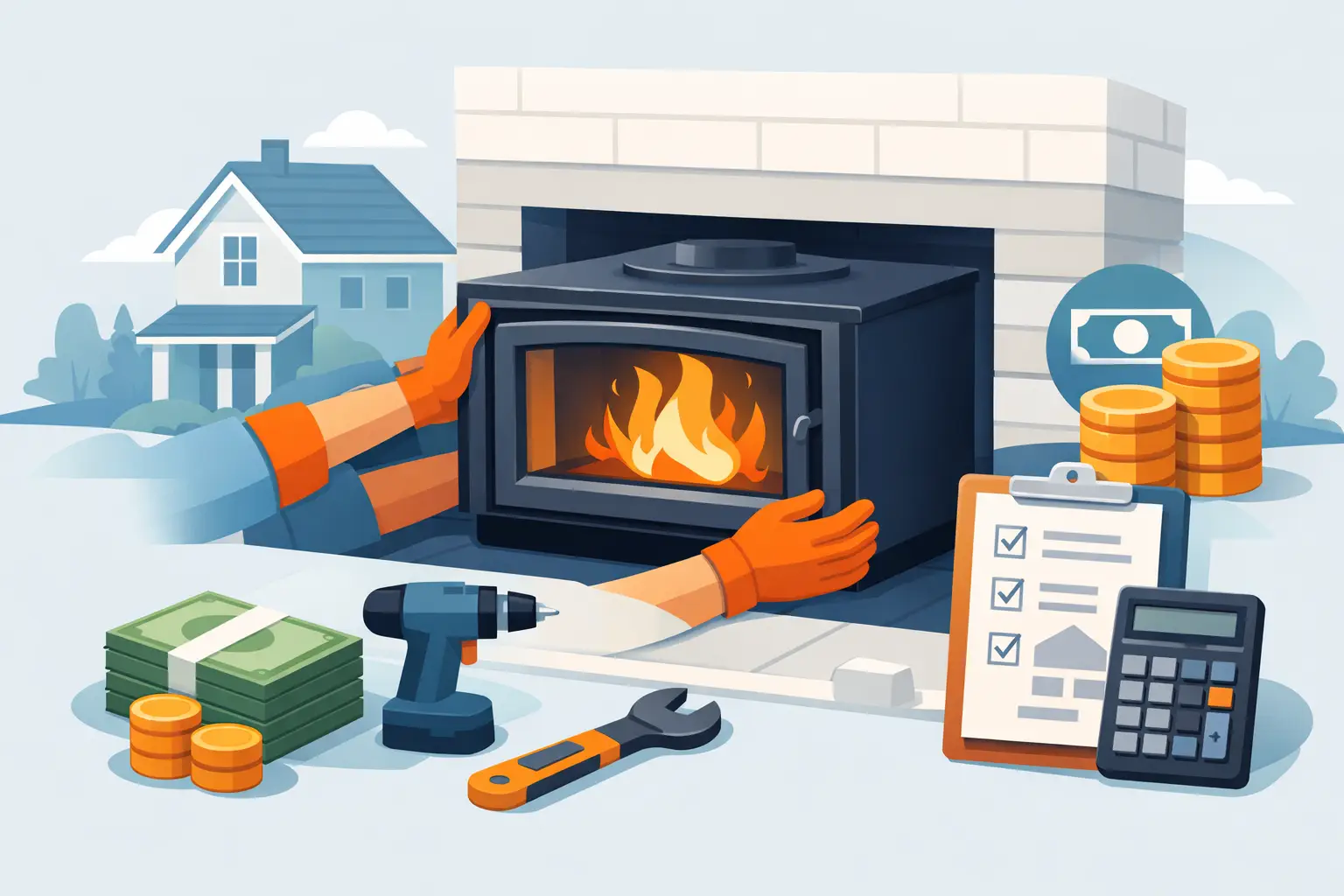
A wood stove insert can turn an underperforming fireplace into a useful heat source, but the appliance price is only one part of the decision. Wood stove insert installation cost depends on whether the existing chimney can safely support the unit, whether it needs a new liner, and whether water damage or masonry deterioration must be addressed before installation. A careful assessment up front helps prevent a lower initial price from becoming a costly safety or performance problem later.
For homeowners in Trumbull, Mahoning, and Mercer counties, many of whom have older masonry chimneys, the right installation is about more than adding heat. It is about protecting the home, improving efficiency, and creating a system that can be inspected and maintained with confidence.
A professionally installed wood stove insert commonly falls in the range of several thousand dollars when the appliance, chimney work, labor, and required materials are considered together. A straightforward installation in a sound, appropriately sized chimney will usually cost less than an installation that requires a full stainless-steel liner, chimney repairs, hearth modifications, or difficult roof access.
Rather than relying on one flat number, it helps to think about the project in two parts: the insert itself and the work required to make the fireplace and chimney safe for that specific insert. A smaller, efficient unit may cost less than a large cast-iron model, but it must still be correctly sized for the room and the home. Buying a stove that is too large can lead to overheated rooms and inefficient burn cycles. A unit that is too small may not provide the heat you expect.
Installation labor also varies with the condition and layout of the existing system. An insert set into a first-floor fireplace with clear access is very different from one connected to a tall chimney, a tight damper area, or a flue with offsets. Responsible installers price the work based on what the system requires, not simply what the appliance costs.
The appliance is the most visible line item, but it is not the only one. A complete installation may include a connector, block-off plate, insulation, a top plate, cap, flashing materials, and hearth protection or finishing work. Modern EPA-certified inserts are designed to burn wood more efficiently and produce less smoke than older equipment, but they still need the correct venting system to perform as intended.
Some homeowners already have a suitable chimney liner. Others have an unlined masonry flue, a damaged clay liner, or a flue that is too large for the new insert. These conditions can affect both the budget and the scope of work.
A stainless-steel liner is often one of the largest parts of wood stove insert installation cost. In many cases, it is also one of the most worthwhile investments. A properly sized liner creates a dedicated path for combustion gases, supports reliable draft, and helps protect the chimney structure from heat and corrosive byproducts.
Whether a liner is required depends on the appliance instructions, local requirements, the chimney’s condition, and the size and construction of the existing flue. A professional inspection should determine this rather than assuming an older chimney is ready for a new appliance. Installing an insert without addressing an unsuitable flue can result in poor draft, excessive creosote, smoke entering the home, or damage that is difficult to see from the ground.
A chimney can look solid from the yard and still have issues that matter to an insert installation. Missing mortar, cracked crowns, failed flashing, loose brick, damaged caps, and water infiltration can all need attention. These are not cosmetic details. Water entering masonry accelerates deterioration, and structural problems can compromise the system supporting the liner and cap.
If repairs are needed, they should be explained clearly and separated from work that is optional. An ethical contractor should show you what was found, explain why it matters to safety or longevity, and provide recommendations based on the actual condition of the chimney.
Before an insert is selected or installed, the chimney should receive an appropriate inspection and cleaning. A Level 1 chimney inspection evaluates readily accessible areas of the fireplace, flue, and chimney for signs of obstruction, damage, or unsafe conditions. If the system has not been used recently, has had a chimney fire, has visible damage, or is changing from an open fireplace to an insert, a more detailed evaluation may be appropriate.
Cleaning before installation matters as well. Soot and creosote can conceal cracked flue tiles, damaged dampers, and other concerns. Removing deposits provides a clearer view of the system and gives the new appliance a clean starting point.
This inspection is also where practical questions are answered. Is the chimney tall enough to draft properly? Can a liner be installed through the existing flue? Is the fireplace opening large enough for the chosen unit? Does the hearth meet the appliance manufacturer’s clearance requirements? These details influence the final installation plan far more than an online estimate can.
Every home is different, but several conditions consistently affect pricing. The height of the chimney affects liner length and roof labor. A chimney with bends or a narrow throat can make liner installation more complex. Roof pitch, access limitations, and the need for scaffolding can also change labor requirements.
The condition of the masonry is another major variable. Repointing deteriorated mortar, rebuilding a damaged crown, correcting flashing, or installing a proper chimney cap may add to the project, yet these repairs protect the investment you are making in the insert. It rarely makes sense to install a new liner through a chimney that is actively taking on water.
Your heat goals matter, too. A homeowner looking to supplement a living room during power outages may choose a different insert than someone hoping to offset central heating throughout much of the house. Heating area, insulation levels, room layout, and how the home is used all influence the right appliance size and feature set.
When comparing estimates, make sure each proposal describes the same scope of work. One price may include an insulated stainless-steel liner from appliance to chimney top, while another may assume use of an existing flue. One may account for a new cap and top plate, while another may list those items separately. A lower estimate is not necessarily a lower total cost if essential components are missing.
Ask whether the estimate includes chimney cleaning and inspection, liner materials, roof work, permit requirements where applicable, hearth or clearance corrections, and removal or disposal of old components. You should also know whether masonry repairs are included, recommended separately, or not needed. Clear answers make it easier to budget and avoid surprises.
It is also wise to ask how the contractor verifies proper operation after installation. A quality installation includes checking the appliance connection, confirming required clearances, reviewing safe operation, and explaining the maintenance schedule. The work should leave you with a system you understand, not just a new appliance in the fireplace opening.
A wood stove insert is a combustion appliance, not a simple home upgrade. Correct installation protects against smoke leakage, chimney fire risk, carbon monoxide concerns, and premature damage to the insert or chimney. It also helps the unit burn efficiently, which can reduce wood use and limit unnecessary emissions.
Chimney Sweeps and Masonry of America approaches insert work as part of the entire chimney system. That means looking at the appliance, liner, masonry, cap, flashing, and ongoing service needs together. For homes with aging chimneys, having one qualified local team able to inspect, clean, install liners, and complete necessary masonry repairs can make the process more straightforward and accountable.
After installation, regular chimney sweeping and annual inspection remain essential. Even an efficient insert produces ash, soot, and creosote, especially when wood is damp, fires burn low for long periods, or the appliance is operated outside its recommended range. Use seasoned firewood, follow the manufacturer’s instructions, and address draft changes or smoke odors promptly.
The best time to discuss an insert is before cold weather creates urgency. A scheduled inspection gives you room to choose the right appliance, understand the true installation needs, and make repairs on a sensible timeline. That measured approach is often the surest path to dependable heat and a chimney system built to serve your home for years.
We are a member of The National Chimney Guild. Certified Chimney Professional
 Optimized by Seraphinite Accelerator