- 330-505-6800
- Info@alifeprotector.com
- 11 North Main St , Niles Ohio 44446.

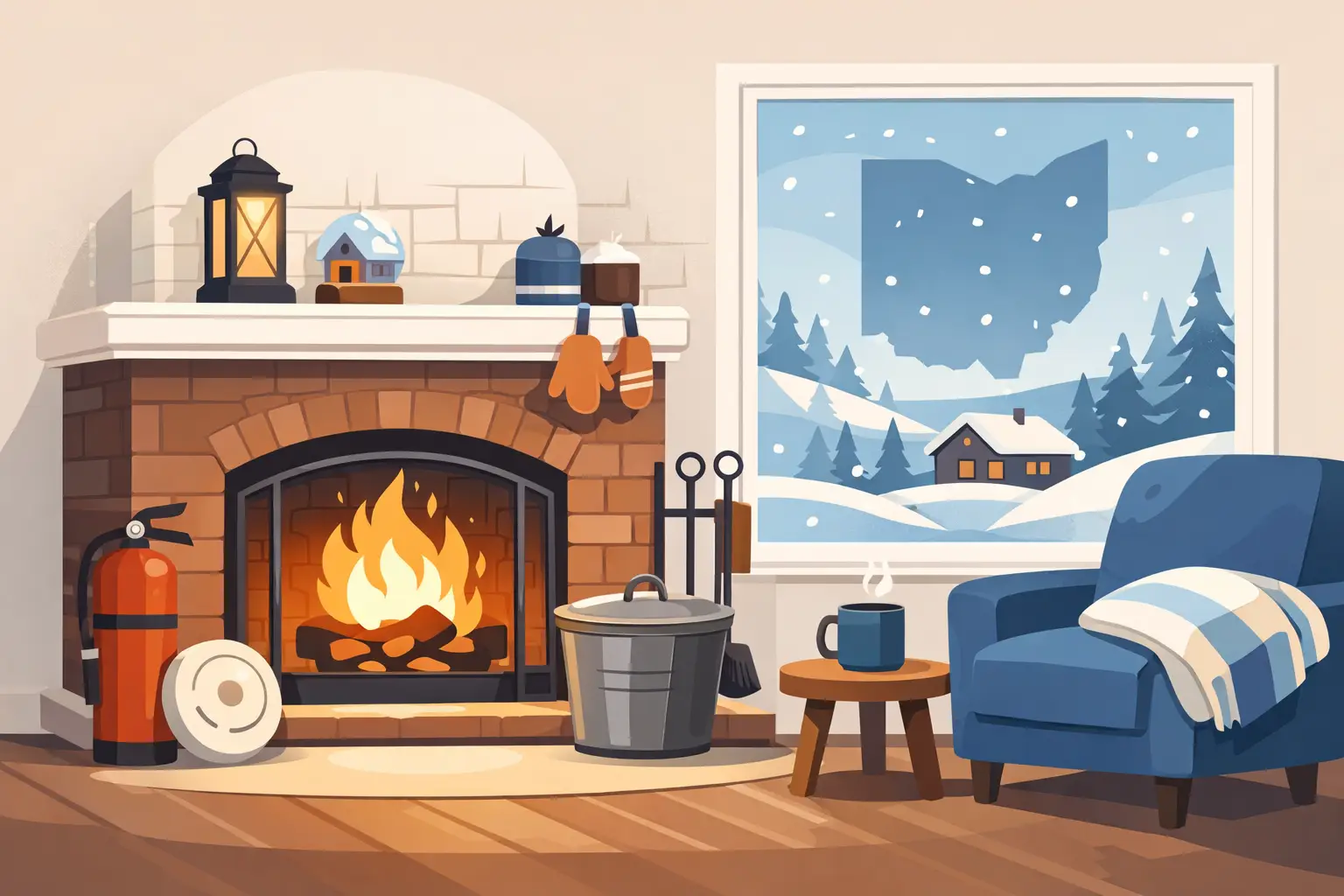
A fireplace can make a cold Ohio evening feel settled and comfortable, but it is also an active combustion system inside your home. The best winter fireplace safety tips begin before the first fire, not after smoke enters the room or a draft suddenly disappears. A clean, inspected chimney, dry fuel, sound masonry, and a few steady habits give your family a warmer and safer heating season.
Schedule a professional chimney inspection before relying on a wood-burning fireplace or stove for the season. An annual Level 1 inspection helps identify common issues such as creosote accumulation, nesting material, damaged flue components, loose dampers, or visible masonry deterioration. These conditions are not always obvious from the firebox, and a chimney that worked last winter can still develop a problem during the off-season.
Cleaning is not simply a matter of keeping the fireplace tidy. Wood smoke leaves creosote inside the flue, and creosote is combustible. The amount that builds up depends on how often you burn, the type and moisture content of the wood, the strength of the draft, and how the appliance is operated. A professional can recommend cleaning based on the actual condition of your system rather than suggesting work you do not need.
Before your first fire, test smoke alarms and carbon monoxide alarms throughout the home. Replace batteries when needed and follow the manufacturer’s replacement schedule for older units. Carbon monoxide has no smell or color, so a working alarm is an essential layer of protection for homes with fireplaces, wood stoves, gas fireplaces, furnaces, or attached garages.
The wood you burn has a direct effect on safety, efficiency, and chimney condition. Use properly seasoned firewood that has been split, stacked, and allowed to dry. Wet or green wood is difficult to ignite, produces more smoke, and encourages creosote buildup because the fire spends energy boiling off moisture instead of burning efficiently.
Avoid burning household trash, cardboard with coatings, treated lumber, painted wood, plastics, or construction scraps. These materials can release harmful fumes, burn unpredictably, and leave corrosive deposits in the appliance and chimney. Fireplaces are designed for appropriate firewood, not for disposing of waste.
Build modest fires with adequate airflow instead of packing the firebox full of logs. An overloaded fireplace can produce excessive heat and smoke, while an overly restricted fire can smolder and send unburned byproducts up the chimney. The right approach depends on the appliance. A traditional open fireplace, EPA-certified wood stove, and wood stove insert each have different operating requirements, so use the manufacturer’s instructions for your specific unit.
Keep the damper fully open before lighting a wood-burning fireplace and until the fire is completely out. If the chimney is cold or the home is tightly sealed, opening the damper alone may not immediately establish a strong draft. Starting with dry kindling and a small fire can help warm the flue gradually. If smoke repeatedly spills into the room, stop using the fireplace until the cause is identified. Draft issues may involve blockages, chimney height, appliance sizing, negative air pressure, or a damaged component.
A fireplace needs open space around it. Move rugs, blankets, firewood baskets, holiday decorations, furniture, and other combustibles well away from the hearth. Sparks can travel farther than many homeowners expect, especially when a log shifts or burns down.
Use a properly fitted fireplace screen or glass doors as intended for your fireplace. A screen helps contain sparks from an open wood-burning fire, but it does not make the hearth safe for unattended use. Never leave children, pets, or a burning fire without supervision. Teach children that fireplace tools, hot glass, grates, and ashes can cause serious burns long after visible flames are gone.
Ashes also deserve careful handling. Let them cool completely, then place them in a metal container with a tight-fitting lid. Store that container outdoors on a noncombustible surface, away from the house, garage, porch, or woodpile. Ashes can hold enough heat to ignite nearby material long after they appear cold.
A fireplace should not fill the room with smoke, produce a strong persistent odor, or leave soot around nearby walls and furnishings. Those signs deserve attention, particularly if they are new. Other warning signs include a damaged damper, falling flue tile, loose or rusted chimney components, water stains near the chimney, crumbling mortar, white staining on brick, or pieces of masonry in the firebox or yard.
Exterior chimney problems matter because water is often the starting point. Rain, snow, and freeze-thaw cycles can enter through a damaged crown, missing or poorly fitted cap, failing flashing, or deteriorated mortar joints. In northeastern Ohio and western Pennsylvania, winter weather can turn a small masonry defect into loose brick, spalling surfaces, or a larger structural repair.
Do not assume a chimney cap is only there to keep animals out. A properly installed cap helps limit rain and snow entry while reducing the chance of debris blocking the flue. Crown repair, flashing installation, repointing, and masonry repair all protect the chimney system from moisture that can compromise both appearance and safe operation.
Gas fireplaces require maintenance too, even though they do not create wood ash or creosote in the same way as a wood-burning system. Dust, pet hair, burner debris, worn ignition components, damaged logs, and venting problems can affect performance. Have the unit cleaned and inspected according to the manufacturer’s recommendations by a qualified technician.
Never use a gas fireplace if you smell gas, notice delayed ignition, see unusual flame patterns, or experience repeated shutdowns. Leave the area if there is a strong gas odor, avoid operating electrical switches or creating sparks, and follow the emergency instructions provided by your gas utility. For less urgent performance concerns, schedule a professional evaluation rather than trying to adjust gas components yourself.
Glass-front gas fireplaces can become extremely hot. Use the manufacturer-approved safety barrier, and keep children and pets back from the unit. The absence of an open flame does not mean the fireplace is safe to touch.
A sudden chimney fire may sound like roaring, popping, or a low rumble, and it can produce dense smoke or intense heat. If you suspect one, get everyone out of the home, call 911, and do not use the fireplace again until the complete system has been professionally inspected. Do not attempt to put a chimney fire out by throwing water into the firebox. Rapid cooling can damage hot masonry and metal components.
You should also pause use when carbon monoxide alarms sound, smoke enters the living space, masonry is loose, the flue appears blocked, or water has caused visible damage around the chimney. Continuing to burn through a known problem can turn a focused repair into a more extensive safety and restoration project.
For homeowners across Trumbull, Mahoning, and Mercer counties, winter chimney care is one of the practical ways to protect an aging home and get more reliable comfort from its heating system. Chimney Sweeps and Masonry of America provides clear assessments of fireplaces, flues, liners, and masonry so property owners can make informed decisions without unnecessary replacement work.
A safe fire should be easy to enjoy. If something about your fireplace feels different this winter – a smoky start, a weak draft, a water stain, or an unfamiliar odor – treat it as a reason to ask a trained chimney professional before lighting the next load of wood.
We are a member of The National Chimney Guild. Certified Chimney Professional
 Optimized by Seraphinite Accelerator