- 330-505-6800
- Info@alifeprotector.com
- 11 North Main St , Niles Ohio 44446.

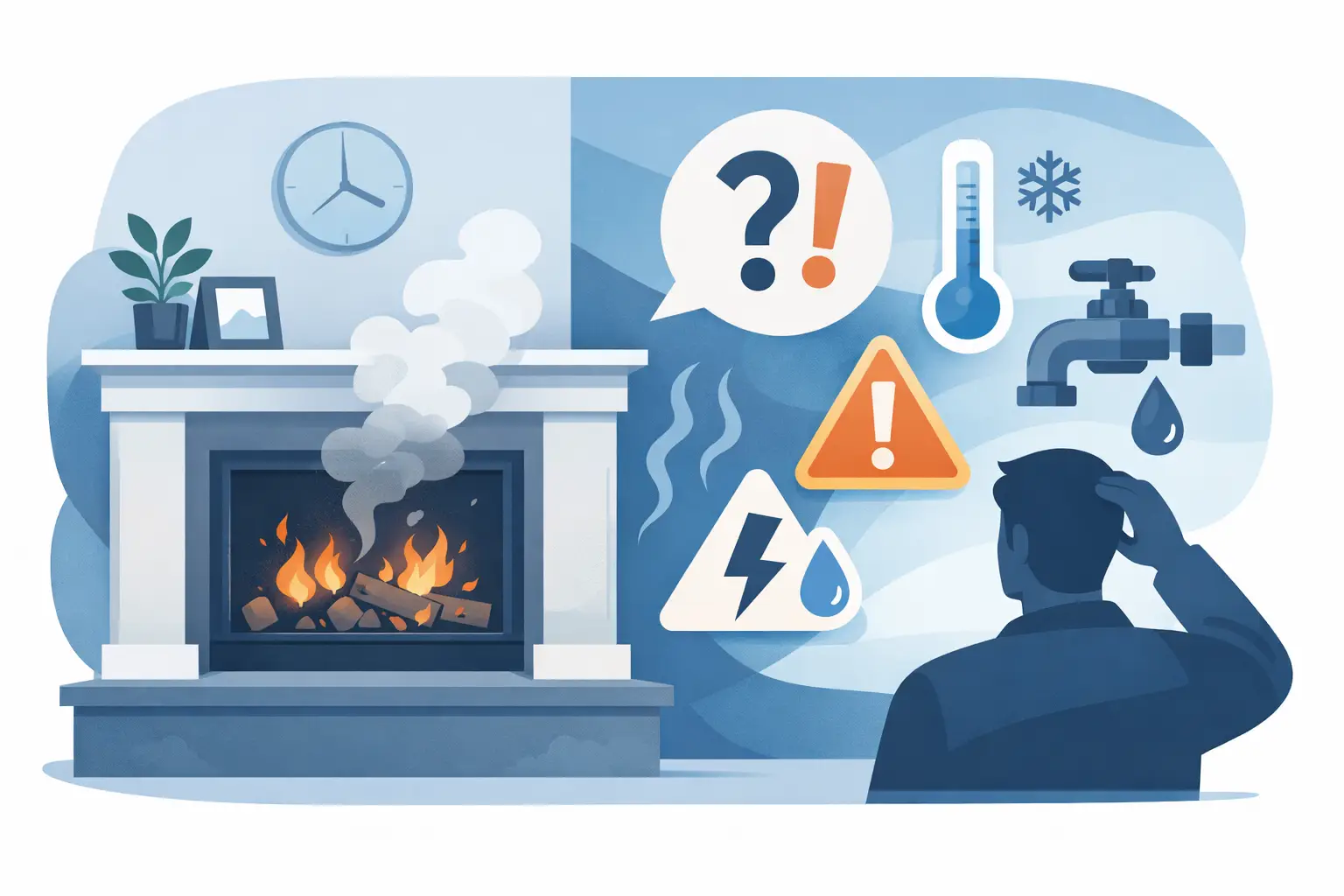
A gas fireplace that lights normally, runs for a few minutes, and then goes out is doing more than interrupting a comfortable evening. It may be responding to a safety control, a fuel-delivery problem, or a maintenance issue that needs attention. If you are asking, “why does my gas fireplace keep shutting off,” the safest answer is not to keep relighting it until it stays on. Start by observing what happens, then have the system evaluated when the cause is unclear.
Many shutdowns are preventable with routine cleaning and professional service. Others involve components that are designed to stop the fireplace from operating when conditions are not safe. Knowing the difference can help homeowners in northeastern Ohio and western Pennsylvania make a sound decision without guessing at a gas appliance.
Most gas fireplaces use a pilot light, thermocouple or thermopile, burner assembly, gas valve, and safety controls that must all work together. When the fireplace shuts off unexpectedly, one of those parts may not be sensing or supplying what it should.
The timing of the shutdown offers useful clues. A pilot that will not stay lit points to a different issue than a main burner that goes out after ten minutes. A fireplace that shuts down only on windy days may have a venting concern, while one that works intermittently could have a dirty pilot assembly or a weakening electrical component.
Do not remove panels, disconnect safety switches, adjust the gas valve, or attempt to bypass a control to keep the fireplace running. Those safeguards are there to prevent unsafe operation.
The pilot flame is a small flame that helps ignite the main burner and, on many units, keeps a safety sensor warm. If that flame is weak, yellow, flickering, or not fully reaching the sensor, the fireplace may shut off because it cannot verify that ignition is stable.
Dust, pet hair, lint, and debris can collect around the pilot assembly, especially when the fireplace sits unused through warmer months. Spider webs and insects can also obstruct small openings. This is common, but it still requires careful service because pilot components are delicate and gas appliances should be cleaned correctly.
A healthy pilot flame is generally steady and mostly blue, although the exact appearance varies by manufacturer. If it appears weak or keeps going out, schedule a qualified gas fireplace cleaning and inspection rather than trying to poke out the opening with a pin or wire. Improper cleaning can damage the assembly or change how the fireplace burns.
The thermocouple and thermopile are heat-sensing components. Depending on the fireplace design, they help keep the pilot gas flowing and generate the small electrical signal needed to open the main gas valve. When one is dirty, worn, poorly positioned, or failing, it may stop sending a reliable signal even when a flame is present.
This often creates an intermittent problem. The fireplace may work one day and shut down the next, or it may run until the component heats up and then lose its signal. A technician can test these parts, inspect their placement in the pilot flame, and replace them only when testing supports that recommendation.
A fireplace needs consistent fuel pressure to operate correctly. If the gas supply is interrupted or insufficient, the burner can shut down. Before assuming the fireplace itself is at fault, check whether other gas appliances in the home are working normally. If a range, furnace, or water heater also has an issue, contact your gas utility or a qualified service professional.
For the fireplace alone, possible concerns include a partially closed shutoff valve, a failing gas valve, a loose connection, or an issue with the propane supply if the home uses propane instead of natural gas. Gas valve diagnosis is not a homeowner repair. It requires the right testing equipment and an understanding of the manufacturer’s specifications.
If you smell gas, hear a hissing sound, or suspect a gas leak, do not operate switches, light matches, or use the fireplace. Leave the area and follow your gas utility’s emergency guidance from a safe location.
Direct-vent and vented gas fireplaces rely on a properly functioning vent system to bring in combustion air and move exhaust gases safely outside. A blockage, damaged vent pipe, disconnected section, bird nest, or exterior obstruction can interfere with that process.
Some fireplaces include safety features that react to overheating or poor venting conditions. Those controls can shut the appliance down rather than allow it to continue operating improperly. Wind can sometimes affect certain installations as well, particularly if a vent termination is damaged, improperly positioned, or obstructed by snow, leaves, or landscaping.
This is one reason exterior chimney and vent components deserve attention along with the fireplace itself. A damaged cap, deteriorated masonry, water intrusion, or shifting components around a chimney chase can contribute to larger performance problems over time. A proper inspection looks beyond the firebox and considers the entire venting path.
Gas fireplaces produce substantial heat in a compact area. They need clear airflow around louvers, control compartments, and heat-sensitive components. If decorative screens, furniture, rugs, or other items are too close to the unit, heat can build up where it should not.
Some models have high-limit switches that shut off the burner if internal temperatures rise too high. A blocked air passage, dirty fan, failing blower, or malfunctioning limit switch can contribute to this problem. The fireplace may restart after it cools, which is a sign worth reporting to the technician.
Keep the area around the fireplace clear according to the manufacturer’s clearance requirements. Avoid placing blankets, holiday decorations, electronics, or furniture directly against the unit. If the glass is unusually hot, the fireplace smells unusual, or the wall around it becomes excessively warm, stop using it until it has been checked.
Not every gas fireplace shutdown is caused by the gas system. Many units rely on batteries, a wall switch, a remote receiver, a thermostat, or household power for ignition and controls. Weak batteries can create inconsistent operation, particularly in fireplaces with remote controls or electronic ignition.
Replacing remote and receiver batteries with the correct type is a reasonable homeowner check. Make sure the wall switch has not been bumped to the off position and that the thermostat setting is above the room temperature if the fireplace is thermostat-controlled. If the unit has a blower, verify that the electrical outlet or circuit has not tripped.
However, electrical troubleshooting should stop there for most homeowners. Wiring faults, damaged switches, faulty receivers, and control-board issues need professional diagnosis. Repeatedly cycling power or changing settings without understanding the system can make it harder to identify the original problem.
A few observations can make a service visit more efficient. First, note whether the pilot stays lit after the main burner goes out. Then consider whether the unit shuts down at the same point each time, only during windy weather, or only when using the remote.
You can also confirm that the fireplace glass and access panels are properly closed, the exterior vent termination is visibly free of leaves and snow, and the room is not unusually hot around the appliance. Check the owner’s manual for basic operating instructions specific to your model. Do not disassemble the burner, remove the glass for cleaning unless your manual permits it, or use household cleaners on gas fireplace components.
It helps to write down the make and model of the fireplace, when it was last serviced, and any changes you have noticed in flame color, odor, noise, or performance. Those details allow a technician to narrow the inspection quickly.
Call for professional service when the pilot will not remain lit, the fireplace shuts off repeatedly, the flames look abnormal, soot appears on the glass, or you notice any odor of gas. Annual service is also a practical investment for systems that see regular seasonal use. Cleaning the burner and pilot assembly, checking the venting system, testing safety controls, and inspecting seals can support safer, more efficient operation.
At Chimney Sweeps and Masonry of America, our approach is to assess the condition of the fireplace and venting system, explain the findings clearly, and recommend the work that is truly needed. For homeowners with aging chimneys, masonry concerns, or water damage near the fireplace, addressing the full system can protect both comfort and long-term home value.
A dependable gas fireplace should provide warmth without making you wonder whether it will stay on. If yours keeps shutting off, give the symptoms the attention they deserve and arrange qualified service before the next cold evening turns a small concern into a larger repair.
We are a member of The National Chimney Guild. Certified Chimney Professional
 Optimized by Seraphinite Accelerator