- 330-505-6800
- Info@alifeprotector.com
- 11 North Main St , Niles Ohio 44446.

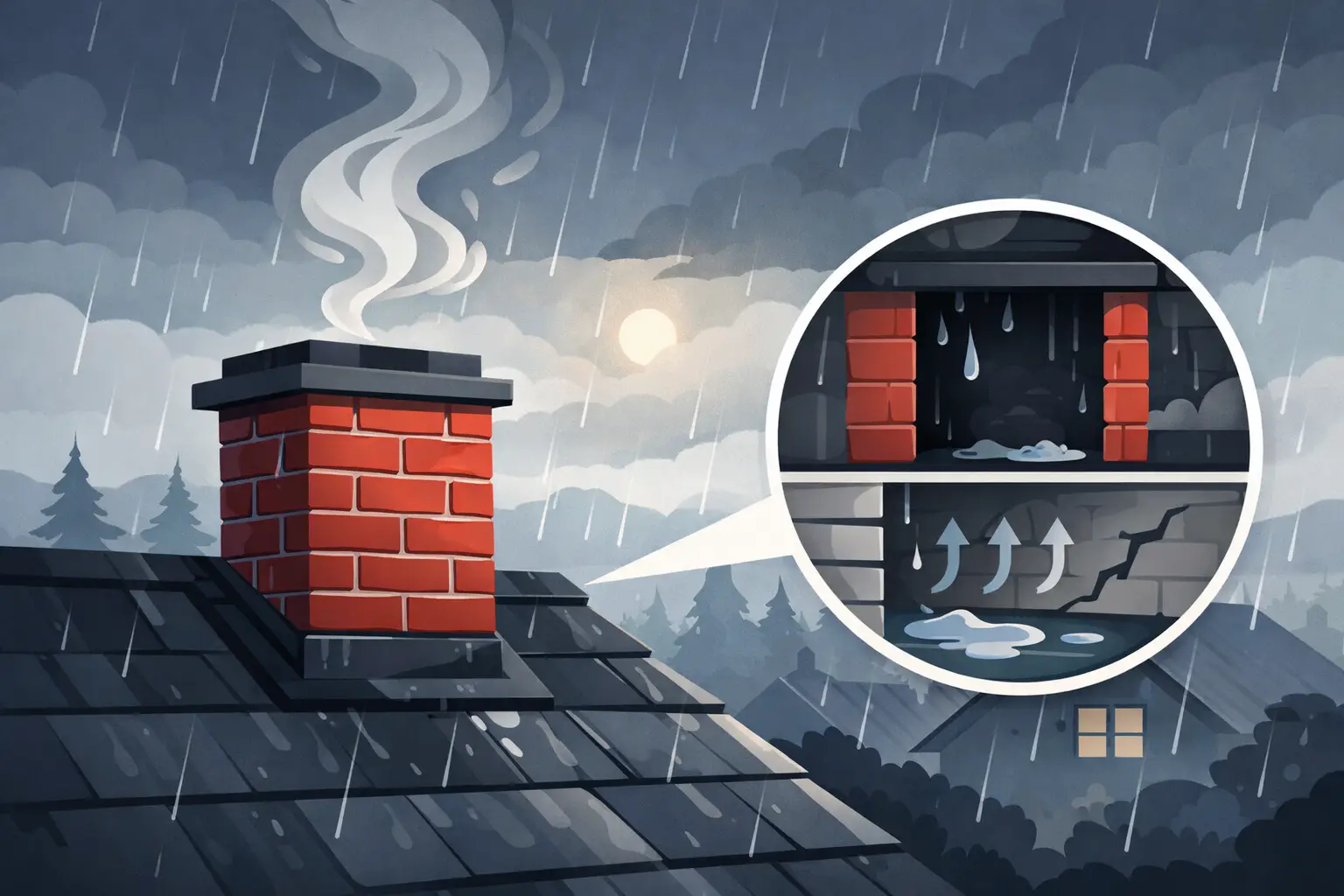
A fireplace can seem perfectly normal for weeks, then a rainy afternoon brings a sharp, smoky, damp, or sour odor into the living room. If you are asking, “why does chimney smell when raining,” the rain itself is usually not the whole problem. Wet weather changes air pressure, adds moisture to the chimney, and can expose buildup or damage that is already present.
For homeowners in northeastern Ohio and western Pennsylvania, this is especially common during long stretches of rain, humid summer weather, and the freeze-thaw conditions that affect older masonry. A chimney odor is not always an emergency, but it should not be ignored. The source may be as simple as a draft issue and overdue cleaning, or it may point to water entering the chimney system.
A chimney works by moving combustion gases upward and out of the house. That movement depends on temperature differences, the chimney’s height and condition, and outdoor air pressure. During rain and high humidity, the normal upward draft can weaken or reverse. Instead of odors leaving through the flue, air can move down the chimney and carry odors into the home.
The most familiar smell is often creosote. Creosote is the dark, flammable residue left behind when wood burns. It can have a smoky, acrid, or tar-like odor, and humid air makes that odor more noticeable. If the chimney has not been cleaned recently, moisture can amplify the smell of accumulated soot, ash, and creosote.
Rain can also bring out odors from wet masonry, deteriorating chimney components, nesting material, or water-damaged areas around the flue. The exact odor matters. A smoky smell calls for a different assessment than a musty odor or the unmistakable smell of a dead animal.
For wood-burning fireplaces and stoves, creosote is one of the most common reasons a chimney smells worse in wet weather. Moist air can react with the residue inside the flue and make its odor travel farther. A chimney with heavy deposits may smell even when the fireplace has not been used for months.
Cleaning is the right answer when buildup is the issue, but it is not a substitute for identifying why excess creosote formed. Burning wet wood, operating a stove with too little air, and using an improperly sized or damaged liner can all contribute to faster buildup. A professional inspection helps separate a routine cleaning need from a performance issue that needs correction.
Rainy weather often comes with low pressure, wind, and humid air. These conditions can push air down the chimney rather than allowing it to rise. Exhaust fans, clothes dryers, tightly sealed windows, and newer insulation can make the problem more noticeable by pulling replacement air into the home through the easiest available path – sometimes the fireplace.
A downdraft does not necessarily mean the chimney is damaged. However, recurring downdrafts may indicate a chimney that is too short, a cap that is poorly designed for the location, or a house-pressure issue. The solution depends on the full system, not just the fireplace opening.
A properly built chimney is designed to shed water. When its protective components fail, rain can enter and wet areas that should remain dry. Cracked crowns, missing or damaged chimney caps, failed flashing, open mortar joints, and porous brick can all allow moisture into the structure.
Water intrusion often creates a damp, earthy, or musty smell. You may also notice stains near the fireplace, peeling paint, rust on the damper or firebox, crumbling mortar, or white staining on exterior brick. These signs deserve attention because water damage rarely stays limited to one small area. In Ohio’s freeze-thaw climate, trapped water can expand and accelerate masonry deterioration.
Chimneys offer shelter from weather, so birds, squirrels, and other animals may try to enter if the chimney does not have a secure cap. Wet nesting material can smell unpleasant, and a blockage can prevent normal airflow. In some cases, a damp, decaying odor may indicate an animal trapped or deceased inside the chimney.
Do not try to reach into the flue or light a fire to solve a suspected blockage. A blocked chimney can create smoke problems and, with fuel-burning equipment, can interfere with safe venting. A chimney professional can inspect the flue and remove obstructions safely.
A rain-related smell is not limited to wood-burning fireplaces. Gas fireplaces can develop odors from dust, moisture, insects, or venting problems. A brief dusty smell at the start of a heating season can be normal, but persistent odors, soot, yellow flames, moisture around the unit, or ignition problems should be evaluated.
If you ever smell gas, leave the area, avoid switches and open flames, and contact your gas utility or emergency services from a safe location. A carbon monoxide alarm should be installed and working in every home with fuel-burning appliances. Carbon monoxide has no odor, so a chimney smell cannot be used as a warning system for it.
Start with a simple visual review from ground level. Look for a missing cap, leaning or damaged chimney sections, cracked mortar, loose flashing, or obvious staining around the chimney. Inside, note whether the smell is smoky, musty, animal-like, or sulfur-like, and whether it occurs only during rain or also during windy weather.
Make sure the fireplace damper is closed when the fireplace is not in use, unless a connected appliance requires a different configuration. Closing the damper may reduce odor entering the room, but it will not fix water intrusion, creosote accumulation, or a blocked flue. Do not seal a chimney opening with plastic or other materials that could interfere with required ventilation or conceal an active problem.
It also helps to check nearby sources of negative pressure. If the odor becomes stronger when the dryer, kitchen hood, bathroom fan, or furnace runs, tell your chimney technician. That detail can help identify a draft-related cause.
Schedule a professional chimney inspection when the smell returns with every storm, becomes stronger, or comes with visible signs of moisture or masonry damage. You should also arrange service if the chimney has not been inspected within the past year, if you are preparing to use a wood-burning appliance for the season, or if an animal blockage is possible.
A Level 1 chimney inspection is a practical starting point for many homeowners. It includes an accessible review of the fireplace, flue, and chimney exterior to identify conditions affecting safe operation. Depending on what is found, the recommendation may be straightforward cleaning, a chimney cap, crown or flashing repair, repointing, liner work, or a more detailed evaluation.
An ethical recommendation should explain the condition, the reason for the repair, and what can happen if it is delayed. Not every odor requires major work. For example, a clean, sound chimney that experiences occasional weather-related downdraft may need a different approach than a chimney with a cracked crown and saturated masonry.
Routine sweeping removes odor-producing soot and creosote before humidity carries it into the home. Annual inspections also catch small water-entry points before they become costly masonry repairs. A properly fitted chimney cap helps keep out direct rain, leaves, and animals, while a sound crown and flashing direct water away from vulnerable areas.
For wood-burning systems, burn properly seasoned firewood and follow the manufacturer’s operating guidance. Dry fuel and adequate combustion air support a cleaner burn, which reduces creosote formation and improves heating efficiency. If you have a wood stove insert or are considering one, proper liner sizing and installation are central to both performance and safety.
A chimney that smells during rain is giving you useful information about airflow, moisture, or buildup. Rather than masking the odor with air fresheners, have the system assessed by a qualified local professional. A clear diagnosis can protect your home, preserve your masonry, and help your fireplace or stove remain a comfortable part of the house when cold weather returns.
We are a member of The National Chimney Guild. Certified Chimney Professional
 Optimized by Seraphinite Accelerator