- 330-505-6800
- Info@alifeprotector.com
- 11 North Main St , Niles Ohio 44446.

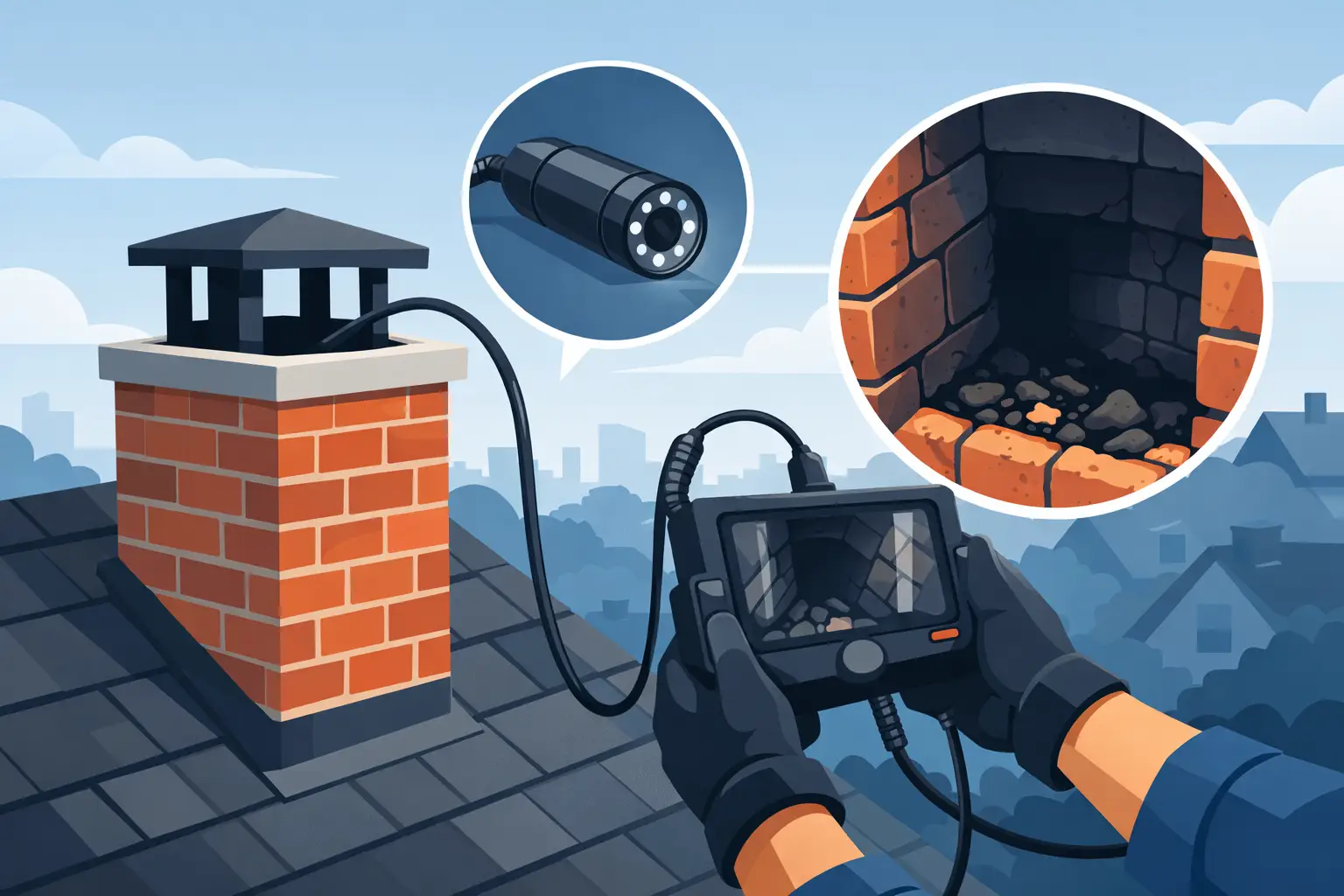
A chimney can look sound from the fireplace opening and still have problems higher in the flue. A chimney camera inspection gives a trained technician a close view of areas that cannot be properly evaluated from the hearth or roofline alone. For homeowners in northeastern Ohio and western Pennsylvania, that added visibility can make the difference between a targeted repair and a costly surprise during heating season.
The camera is not a sales tool or a reason to replace a chimney that can be repaired. It is a diagnostic tool. When used alongside a professional inspection, it helps identify the actual condition of the flue so recommendations can be based on evidence, not guesswork.
A chimney camera inspection uses a specialized camera to travel through the flue and record its interior condition. The technician can look for defects in a clay tile liner, metal liner, or masonry flue that may not be visible during a basic visual assessment.
The footage may reveal cracked, shifted, or missing flue tiles; separated liner joints; rust or holes in a metal liner; excessive creosote; fallen mortar; animal nesting material; and other obstructions. It can also show whether a previous repair is holding up as intended.
This matters because the flue is the passage that carries smoke, gases, and heat out of the home. When that passage is damaged or restricted, heat and combustion byproducts can move where they do not belong. A chimney may draft poorly, send smoke into a room, damage nearby materials, or allow carbon monoxide concerns to develop with gas appliances.
A camera also helps connect an interior problem to clues a homeowner may already notice, such as a persistent odor, weak draft, pieces of tile in the firebox, water stains near the chimney, or an appliance that is difficult to operate. The image does not replace professional judgment, but it gives that judgment a clearer foundation.
Not every service visit requires a full video scan. A Level 1 chimney inspection is often appropriate when a system has not changed and is being used under the same conditions. However, a camera inspection is especially valuable when there is reason to believe a hidden flue issue may be present.
Consider scheduling one after a chimney fire or any event that may have exposed the flue to unusually high heat. Even a fire that seems small can crack clay liner tiles, warp metal components, or loosen mortar joints. A camera can document whether the flue remains suitable for use.
It is also wise after a new home purchase, particularly when the fireplace or wood stove has an unknown maintenance history. A clean-looking firebox does not confirm that the chimney liner is intact. Before making a fireplace part of your routine, it is sensible to understand what is inside the system.
Water-related concerns are another common reason. In this region, freeze-thaw cycles can worsen small cracks in crowns, mortar joints, and masonry. Water can enter through exterior defects and contribute to liner deterioration, rusted components, or loose material inside the flue. If a technician sees signs of moisture damage, a camera inspection can help determine the scope of the concern.
A video scan is often useful before relining a chimney, installing a wood stove insert, converting equipment, or completing major repairs. These projects should be sized and planned around the chimney’s actual condition. In some cases, repair or relining is necessary. In others, the footage confirms that a more limited repair is the appropriate choice.
A reliable inspection begins with a conversation. The technician should ask how the fireplace, stove, or appliance is used; whether smoke, odor, or draft issues have occurred; and whether there has been a chimney fire, water event, or recent construction work. Those details guide the inspection instead of treating every chimney exactly the same.
The system is then evaluated from accessible areas, including the firebox or appliance connection, damper, smoke chamber where accessible, chimney exterior, cap, crown, flashing, and visible masonry. If camera work is appropriate, the technician sends the equipment through the flue to examine areas that cannot be seen directly.
For a cleaner and more accurate view, sweeping may be recommended before or during the appointment. Heavy soot or creosote can obscure the liner surface, much like dirt on a window. Cleaning first can also prevent a hidden deposit from being mistaken for permanent damage.
A camera inspection should result in a plain-language explanation of the findings. Homeowners deserve to know whether an issue is immediate, whether it can be monitored, and what repair options make sense. Good recommendations distinguish between safety concerns, maintenance needs, and cosmetic improvements.
Video equipment is highly useful, but it has limits. Thick deposits, tight offsets, inaccessible sections, or severe damage can restrict what the camera can capture. Exterior masonry conditions, roof flashing, and chimney movement also require direct evaluation rather than relying on flue footage alone.
That is why camera work is best viewed as one part of a complete assessment. The goal is not simply to collect images. The goal is to understand how the entire chimney and venting system is performing.
Creosote buildup is one of the most familiar findings in wood-burning systems. Creosote forms when wood smoke cools and condenses in the flue. Its amount and texture can vary based on wood moisture, appliance operation, draft, and chimney design. Removing it through professional chimney sweeping reduces the fuel available for a chimney fire, but a technician should also consider why it built up so quickly.
Damaged clay tile liners are another concern in older chimneys. Cracks, gaps, and displaced tiles can expose surrounding masonry to heat and corrosive byproducts. The correct solution depends on the damage, the appliance being vented, and the chimney’s construction. It may involve a properly sized liner, targeted repair, or a broader restoration plan.
Metal liner problems can include corrosion, failed joints, dents, or an incorrect size for the connected appliance. Gas systems deserve the same attention as wood-burning systems. Their exhaust can be cooler and more moisture-laden, creating conditions that contribute to deterioration over time.
The camera may also find blockages from nests, leaves, loose brick, deteriorated mortar, or a damaged chimney cap. Removing the obstruction is only part of the job. The source should be corrected as well, whether that means installing a quality cap, repairing masonry, addressing a failing crown, or improving a water-entry point.
There is little preparation required, but a few practical steps help the visit go smoothly. Avoid using the fireplace or stove for at least 24 hours so the system is cool. Clear fragile items, furniture, and rugs away from the hearth area, and make sure the technician can access the fireplace, appliance, attic entry if applicable, and exterior chimney.
If you have noticed smoke entering the room, unusual odors, water stains, falling debris, or a change in fireplace performance, write down when it happens. That information can help identify patterns. Do not try to look deep into the flue with a household camera, climb onto the roof, or continue using a system that appears damaged.
The value of a chimney camera inspection is not just the video itself. It is the ability to make informed decisions before a small issue becomes a major repair. For some homeowners, the right next step is routine sweeping and annual inspection. For others, it may be liner work, a new cap, crown repair, repointing, flashing repair, or a more comprehensive masonry solution.
At Chimney Sweeps and Masonry of America, recommendations are based on the condition of the system, how it is used, and what will protect your home for the long term. If your chimney has unexplained symptoms, water damage, an aging liner, or an uncertain history, a professional camera inspection can provide the clear answers needed to use your fireplace or heating appliance with greater confidence.
We are a member of The National Chimney Guild. Certified Chimney Professional
 Optimized by Seraphinite Accelerator