- 330-505-6800
- Info@alifeprotector.com
- 11 North Main St , Niles Ohio 44446.

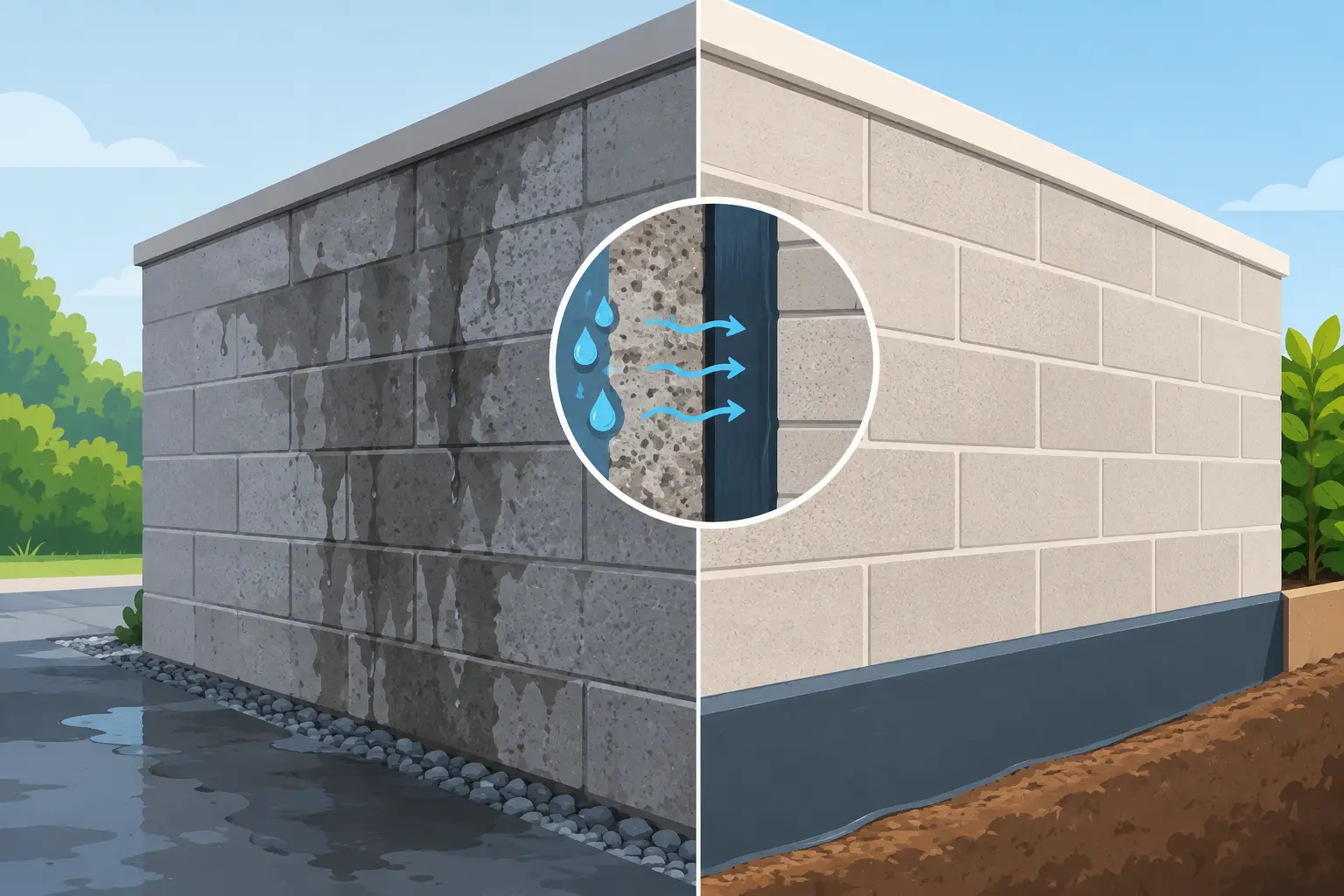
A dark stain on a chimney, crumbling mortar near the roofline, or a damp spot beside the fireplace can point to the same issue: water is getting where it should not. Effective masonry water intrusion solutions do more than cover up the visible damage. They identify the entry point, correct the failed component, and protect the brickwork without trapping moisture inside it.
For homeowners in northeastern Ohio and western Pennsylvania, this matters especially after freeze-thaw cycles, wind-driven rain, and snow buildup. A small crack or loose piece of flashing may seem minor in warm weather, then become a costly masonry repair after winter moisture freezes and expands.
Brick and mortar are durable, but they are not maintenance-free. Masonry naturally absorbs some moisture, then releases it as conditions dry. Problems begin when water enters faster than the wall or chimney can shed it, or when a failed detail directs water behind the masonry.
On a chimney, the most common entry points are the crown, cap, flashing, mortar joints, and damaged bricks. A cracked crown allows water into the top of the chimney structure. Missing or poorly fitted caps let rain and snow enter the flue. Failed flashing creates a path where the chimney meets the roof, often causing leaks that appear in the attic, ceilings, or walls before anyone notices exterior damage.
Older homes can also have mortar joints that have softened, cracked, or recessed over time. Once joints open up, water can reach deeper into the masonry. When temperatures fall below freezing, that trapped water expands and can break away the face of brick, a condition known as spalling.
Not every damp-looking chimney needs a full rebuild. The right repair depends on where the water is entering, how far deterioration has progressed, and whether the masonry can still perform structurally. A hands-on inspection is the best way to separate a targeted repair from a larger restoration.
Water damage is not always obvious from the ground. Homeowners should pay attention to changes around the chimney, fireplace, roofline, and interior walls. White, powdery residue on brick, called efflorescence, can indicate that moisture is moving through masonry and leaving mineral salts behind. It does not always mean there is an active leak, but it deserves an evaluation if it continues to return.
Other warning signs include cracked or missing mortar, flaking brick faces, rust on the damper or fireplace components, a musty odor near the hearth, and stains on ceilings or walls adjacent to the chimney. Pieces of tile or masonry found in the firebox may also signal trouble above. If water is entering the flue, it can affect the liner, damper, and other components that support safe fireplace or stove operation.
A leak that occurs only during heavy, wind-driven rain often points to flashing, crown cracking, or an exposed section of masonry. Water that persists after snow or ice may come from saturation within damaged brick and mortar. The pattern helps, but it should not replace a professional assessment. Roof leaks and chimney leaks can look similar from indoors.
A proper repair plan starts by following the water path. Applying a coating to a wet or failing chimney without correcting the source can hide symptoms temporarily while moisture continues to damage the structure.
The chimney crown is the sloped concrete or masonry surface at the top of the stack. Its job is to move water away from the flue and the brick below. Hairline cracks can grow quickly in Ohio winters, especially when water repeatedly freezes in them.
Minor crown damage may be repairable when the material remains sound and the cracks are limited. A severely cracked, thin, or improperly sloped crown may need replacement. A correctly built crown extends beyond the chimney sides and sheds water away from the brick rather than allowing it to run down the face.
A chimney cap is a simple but valuable layer of protection. It helps keep rain, snow, leaves, and animals out of the flue while allowing smoke and combustion gases to vent properly. It is not a substitute for a sound crown, but the two work together to protect the top of the chimney.
Cap selection depends on the flue configuration and chimney design. The cap must fit securely, resist corrosion, and avoid restricting proper draft. For homes with wood-burning appliances, proper sizing and installation are part of maintaining a safe venting system.
Flashing is the metal barrier installed where the chimney meets the roof. It is one of the most common causes of chimney-related water leaks because it must handle roof movement, weather exposure, and runoff from above.
Loose, rusted, improperly layered, or sealant-dependent flashing can allow water behind the roof covering and into the house. Quality flashing work integrates correctly with the roofing materials and chimney structure. Caulk can be useful as a finishing detail, but it should not be the only thing preventing water from entering a vulnerable roof-to-chimney joint.
Repointing removes deteriorated mortar from joints and replaces it with compatible mortar. This restores the weather-resistant surface between bricks while preserving the appearance and integrity of the existing masonry.
The word compatible matters. Mortar that is too hard for older brick can cause the brick itself to crack or spall because moisture and movement have nowhere else to go. Skilled masonry repair considers the age and condition of the brick, not just the color of the replacement mortar.
Spalled, cracked, or loose bricks may need replacement when their faces have broken away or their structural condition is compromised. Addressing individual damaged areas early can often prevent a more extensive rebuild later.
If damage affects a large part of the chimney, the best long-term option may be partial reconstruction. That is a bigger investment, but repeatedly patching unstable masonry can cost more over time and may not provide a safe result.
Breathable masonry water repellents can be useful after necessary repairs are complete. Unlike a paint-like coating, a vapor-permeable treatment is designed to reduce liquid water absorption while allowing water vapor inside the masonry to escape.
This distinction is critical. Non-breathable coatings may trap moisture in brick or mortar, increasing the risk of peeling, deterioration, and freeze-thaw damage. A water repellent also cannot fix an open mortar joint, a cracked crown, missing flashing, or an uncapped flue.
Waterproofing makes the most sense when the masonry is structurally sound, clean, dry enough for application, and already repaired at known entry points. It is a protective step, not a replacement for masonry work. The product and application method should match the brick type and the condition of the chimney or wall.
Water intrusion is not only an exterior masonry concern. When water reaches the flue or firebox, it can speed up corrosion, weaken dampers, damage liners, and leave odors or debris inside the home. That is why chimney inspection and masonry evaluation should often happen together.
A Level 1 chimney inspection can help identify accessible signs of water damage in the chimney system, while an exterior assessment can pinpoint concerns with the crown, cap, flashing, brick, and mortar. This approach gives homeowners a clearer recommendation: what needs repair now, what can be monitored, and what does not require unnecessary work.
Regular sweeping and inspection also support efficient, responsible heating. A dry, properly maintained chimney system is better positioned to vent as intended and to avoid premature deterioration of its components.
If you see signs of a leak or masonry decline, avoid waiting for another winter season to see whether it worsens. Start with a professional evaluation before applying sealant, painting brick, or attempting a surface patch. Those steps can make later diagnosis more difficult if they conceal the original water path.
At Chimney Sweeps and Masonry of America, the goal is to recommend the repair that fits the condition of your chimney, whether that means a cap, crown repair, flashing work, repointing, or more extensive masonry restoration. A well-repaired chimney should shed water, protect the home around it, and continue serving your fireplace or stove safely for years to come.
The most helpful next step is simple: schedule an inspection while the evidence is still visible. Early attention to a small leak can preserve the masonry, protect the interior of your home, and spare you from a much larger repair later.
We are a member of The National Chimney Guild. Certified Chimney Professional
 Optimized by Seraphinite Accelerator