- 330-505-6800
- Info@alifeprotector.com
- 11 North Main St , Niles Ohio 44446.

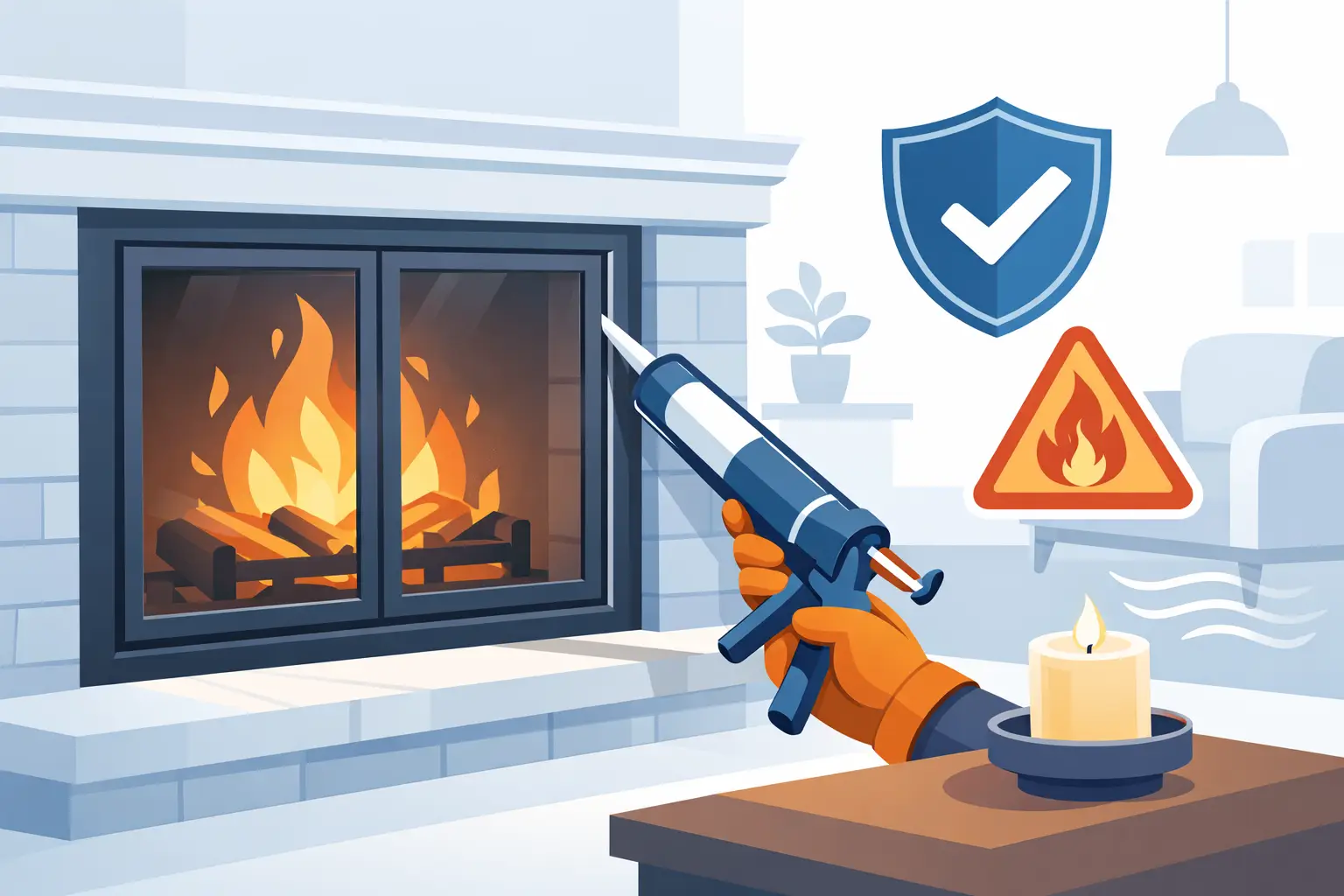
A cold draft spilling from behind your fireplace doors can make a comfortable room feel like it has a window open all winter. Learning how to seal fireplace doors can reduce that unwanted airflow, but it must be done without interfering with the fireplace’s venting, combustion air, or safe operation. The right approach depends on whether you have a wood-burning fireplace, a gas unit, or decorative doors installed on a masonry firebox.
For many homes in northeastern Ohio and western Pennsylvania, drafty fireplace doors are only part of the problem. A worn damper, cracked firebox mortar, missing chimney cap, or water-damaged chimney structure can allow air and moisture into the home as well. Start with the door assembly, then look at the complete fireplace and chimney system if the problem continues.
Fireplace doors have several potential leak points. The gap between the metal door frame and the masonry opening is common, especially on older installations. The doors themselves may not close evenly, or their fiberglass gaskets may be flattened, torn, or missing. A damper above the firebox can also leak substantially, even when the doors appear tightly closed.
Before buying sealant, determine whether the air is coming around the outside of the door frame, between the two doors, or down through the firebox. On a cold, windy day, carefully hold a thin piece of tissue near suspected gaps. Movement in the tissue can help locate a draft without putting your hands near sharp metal edges or hot surfaces.
Do not mistake normal fireplace airflow for a door-sealing issue. A wood-burning fireplace needs the damper open whenever a fire is burning. Sealing the doors cannot compensate for a defective chimney, blocked flue, or poor draft. Those conditions require an inspection and repair plan, not more caulk.
The space between a fireplace-door frame and masonry should be sealed with materials made for high-temperature fireplace use. Ordinary foam weatherstripping, construction caulk, and household insulation are not appropriate inside or immediately around a firebox opening. They can melt, smoke, deteriorate, or create a fire hazard.
Start with a completely cool fireplace. Remove ash and debris, then inspect the metal frame where it meets the brick, stone, or tile. Vacuum loose dust from the gap so the new material can sit securely in place. If the door frame is loose, bent, badly corroded, or improperly sized, address that issue before sealing. A sealant will not hold a failing installation together.
For a narrow perimeter gap, use a noncombustible fireplace gasket or ceramic-fiber insulation approved for that application. Some door systems use insulation strips tucked behind the frame to close gaps against the masonry. Follow the door manufacturer’s instructions whenever they are available, since clearances and approved materials vary by model.
High-temperature fireplace sealant may be appropriate on the exterior edge of a door frame, but only where the product instructions specifically allow it. Apply a small, continuous bead rather than filling deep voids with sealant alone. Larger gaps often need noncombustible backing material first. Let any sealant cure for the full recommended time before operating the fireplace.
Keep sealant away from hinges, latches, glass panels, air inlets, and the track of a sliding screen. Doors should open, latch, and sit squarely after the work is complete.
Many fireplace doors use braided fiberglass gasket material along the meeting edges or around the frame. When this gasket becomes hard, compressed, or detached, cold air can pass through even if the doors look closed.
Measure the old gasket diameter and length before removing it. A replacement that is too thick can prevent the doors from latching, while one that is too thin will not seal. Remove old adhesive and residue carefully, clean the gasket channel, and use only the adhesive specified for fireplace gasket installation. Press the gasket into place without stretching it, then allow the adhesive to set.
Close the doors gently after installation. They should contact the gasket evenly without excessive force. If one corner remains open or the latch does not engage, the door may need adjustment rather than a thicker gasket.
Sealing requirements are not the same for every hearth appliance. This distinction matters because fireplace doors are not automatically designed to make a fireplace airtight.
Most traditional open masonry fireplaces have glass doors that are intended to reduce heat loss when the fireplace is not in use. Unless the doors are specifically labeled and approved for closed-door burning, leave them open while a wood fire is active. Closed doors on an unapproved setup can overheat the glass and frame, restrict needed combustion air, and contribute to smoke entering the room.
Never seal over air vents built into wood-fireplace doors. Those vents may be part of the unit’s intended operation. Also, do not apply tape or temporary plastic over the firebox opening if there is any chance the fireplace will be used before it is removed.
If you want a more efficient closed-door wood-burning option, a properly selected wood stove insert or factory-built appliance may be a better solution than trying to modify decorative fireplace doors. The appliance, liner, chimney condition, clearances, and installation all need to work together.
Gas fireplaces require even more caution. Direct-vent gas fireplaces often have fixed glass panels that must remain tightly sealed as part of the combustion system. Their gaskets, clips, and glass assemblies should be serviced only according to the manufacturer’s procedures. Do not add aftermarket weatherstripping or sealant to a direct-vent unit without confirming it is approved.
Vent-free gas units and decorative gas log sets also have specific air and ventilation requirements. If you smell gas, notice soot, see condensation inside the glass, or have difficulty keeping the pilot lit, stop using the appliance and arrange professional service. Door sealing is not a repair for combustion or gas-supply problems.
A properly sealed door frame can still leave you with a cold fireplace if the damper leaks. The throat damper in a masonry fireplace sits above the firebox, where heat, soot, and moisture can corrode or warp metal over time. Even a small gap can allow cold outdoor air to descend through the chimney.
With the fireplace fully cool, look upward with a flashlight and operate the damper control. It should move freely and close as completely as its design allows. Do not force a stuck damper, and do not attempt to seal it shut with mortar, insulation, or caulk. The damper must open fully before any fire is lit.
For a damper that no longer closes properly, a chimney professional can assess whether adjustment, repair, or a top-sealing damper is appropriate. A top-sealing damper may reduce heat loss more effectively in some homes, but it must be selected and installed to suit the chimney and fireplace system.
Air leakage is sometimes accompanied by signs that deserve a closer look. Water staining around the fireplace, flaking firebrick, white mineral deposits on masonry, loose mortar joints, rust on the damper, or a musty odor can indicate water entry or deterioration. In those cases, sealing the doors may hide the symptom while the chimney continues to decline.
Exterior repairs such as chimney cap installation, crown repair, flashing work, and repointing protect the structure from the top down. Inside the chimney, a damaged liner or heavy creosote buildup can affect both safety and performance. A Level 1 inspection is a sensible starting point for homeowners who are unsure whether their fireplace is ready for the heating season.
Chimney Sweeps and Masonry of America helps homeowners evaluate the entire system, from the firebox and doors to the liner, masonry, and chimney top. Clear recommendations should match the condition of the fireplace, not push a replacement that is not needed.
Check fireplace doors and their gaskets before cold weather arrives, not after the first hard freeze. Close the damper when the fireplace is completely out of service, keep the chimney cap in good condition, and schedule regular sweeping and inspection based on how often the appliance is used and the type of fuel burned.
A tight door seal can make the room more comfortable, but safe fireplace performance comes from a sound, clean, properly vented system. If a draft remains after basic sealing, treat it as useful information: your fireplace may be asking for a closer professional look before the next fire is lit.
We are a member of The National Chimney Guild. Certified Chimney Professional
 Optimized by Seraphinite Accelerator