- 330-505-6800
- Info@alifeprotector.com
- 11 North Main St , Niles Ohio 44446.

A fireplace can look clean from the living room while soot, creosote, nesting material, or debris builds up where you cannot see it. That is why homeowners often ask, how often should a chimney be swept? For most homes, the practical answer is at least once a year, along with a professional chimney inspection. But the right schedule depends on how often you use the appliance, what you burn, and the condition of the chimney system.
For homeowners in northeastern Ohio and nearby western Pennsylvania, annual service is a sensible baseline before the heating season. Our winters put fireplaces, wood stoves, and inserts to work, while spring and summer moisture can expose masonry and chimney issues that deserve attention before the first cold night.
A chimney should generally be swept whenever a professional inspection finds enough soot, creosote, or obstruction to affect safe operation. In many homes, that means scheduling a chimney sweeping once per year. An annual Level 1 inspection also gives a trained technician the opportunity to check accessible portions of the chimney, firebox, flue, damper, cap, and venting path for visible concerns.
If you burn wood regularly through the fall and winter, annual sweeping should be viewed as routine maintenance, not an optional extra. Wood smoke leaves deposits inside the flue, and those deposits can become combustible creosote. Even a chimney used only occasionally should still be inspected annually because animals, leaves, deteriorated flue material, and weather-related damage can create problems without much fireplace use.
Gas fireplaces and gas appliances need attention, too. They do not produce creosote in the way wood-burning systems do, but they can develop venting blockages, burner issues, damaged components, or corrosion. A professional cleaning and inspection helps confirm that the system is operating properly and venting combustion gases as intended.
The annual recommendation is a starting point. Some chimneys need cleaning sooner, particularly when the appliance is used frequently or conditions lead to faster creosote buildup.
A fireplace or wood stove used as a meaningful heat source may need more attention than one used for a few holiday fires. If you burn several times a week throughout the season, ask your chimney professional whether a mid-season check is appropriate. This is especially wise for older chimneys, appliances that tend to smoke, and homes where the fuel supply is not consistently dry.
Burning wet wood creates more smoke and cooler flue temperatures. Those conditions encourage creosote to condense on the flue walls. Seasoned firewood burns hotter and more efficiently, which helps reduce buildup, but it does not eliminate the need for regular sweeping.
Turning down the air supply too far or routinely burning low, smoldering fires can increase creosote formation. The goal is not to waste heat. It is to operate the appliance according to its design, with properly seasoned fuel and adequate draft. A technician can help identify whether a chimney liner, appliance setting, or draft issue is contributing to poor performance.
If you have experienced a chimney fire, heard loud roaring or popping from the flue, or noticed excessive smoke entering the room, stop using the appliance until it has been professionally evaluated. Chimney fires can damage liners, masonry, and connections even when there is no obvious exterior sign.
A storm-damaged cap, an animal nest, a fallen branch, or water entering the chimney are also reasons to schedule service before the normal annual appointment. Small obstructions can restrict draft and create a serious safety concern.
Do not wait for the calendar if the chimney is giving you a reason to act. A strong smoky odor, black debris falling into the firebox, visible soot accumulation, a fireplace that suddenly drafts poorly, or smoke backing into the home all warrant a professional assessment.
Look outside as well. Damaged chimney caps can allow leaves, rain, and animals into the flue. Cracked crowns, missing mortar, loose brick, and failed flashing can allow water into the chimney structure. Water and freeze-thaw cycles are particularly hard on masonry in the Ohio and Pennsylvania climate. While these exterior conditions do not always mean the flue needs sweeping, they can affect the safety and longevity of the entire chimney system.
An inspection is also wise after buying a home with a fireplace or wood stove. Previous use is often unknown, and a chimney that appears serviceable may have hidden buildup, an improper liner, or a venting issue that needs correction before you light a fire.
Chimney sweeping removes soot, creosote, and loose debris from the flue and firebox area. Inspection evaluates the condition of the system and looks for defects or obstructions that may affect safe use. They commonly happen during the same visit, but they serve different purposes.
A clean chimney is not automatically a sound chimney. For example, a technician may find a cracked flue tile, damaged liner connection, deteriorated crown, missing cap, or water-damaged masonry even when creosote buildup is light. On the other hand, a structurally sound chimney can still be unsafe to operate if it has not been cleaned and has substantial combustible deposits inside.
That distinction matters when deciding what work is necessary. A trustworthy chimney professional should explain what was found, why it matters, and whether it requires immediate repair or should simply be monitored. Homeowners deserve clear recommendations, not pressure to replace parts that are still doing their job.
Routine chimney care supports fire safety, but it also protects the efficiency and useful life of your heating system. Heavy soot and creosote can restrict airflow. Restricted airflow can make fires harder to start, increase smoke, and reduce the enjoyable, steady performance homeowners expect from a fireplace or stove.
Regular visits also make maintenance more predictable. Catching a loose cap or a small crown crack early is often much simpler than repairing masonry after repeated water exposure. Addressing liner concerns early can prevent further damage to the appliance and venting system. This approach is better for the home, more responsible with materials, and often less expensive than waiting for a major failure.
For commercial properties, annual chimney and venting service is equally valuable. Restaurants, offices, rental properties, and other businesses benefit from documented maintenance, dependable operation, and fewer disruptive surprises during the busy heating season.
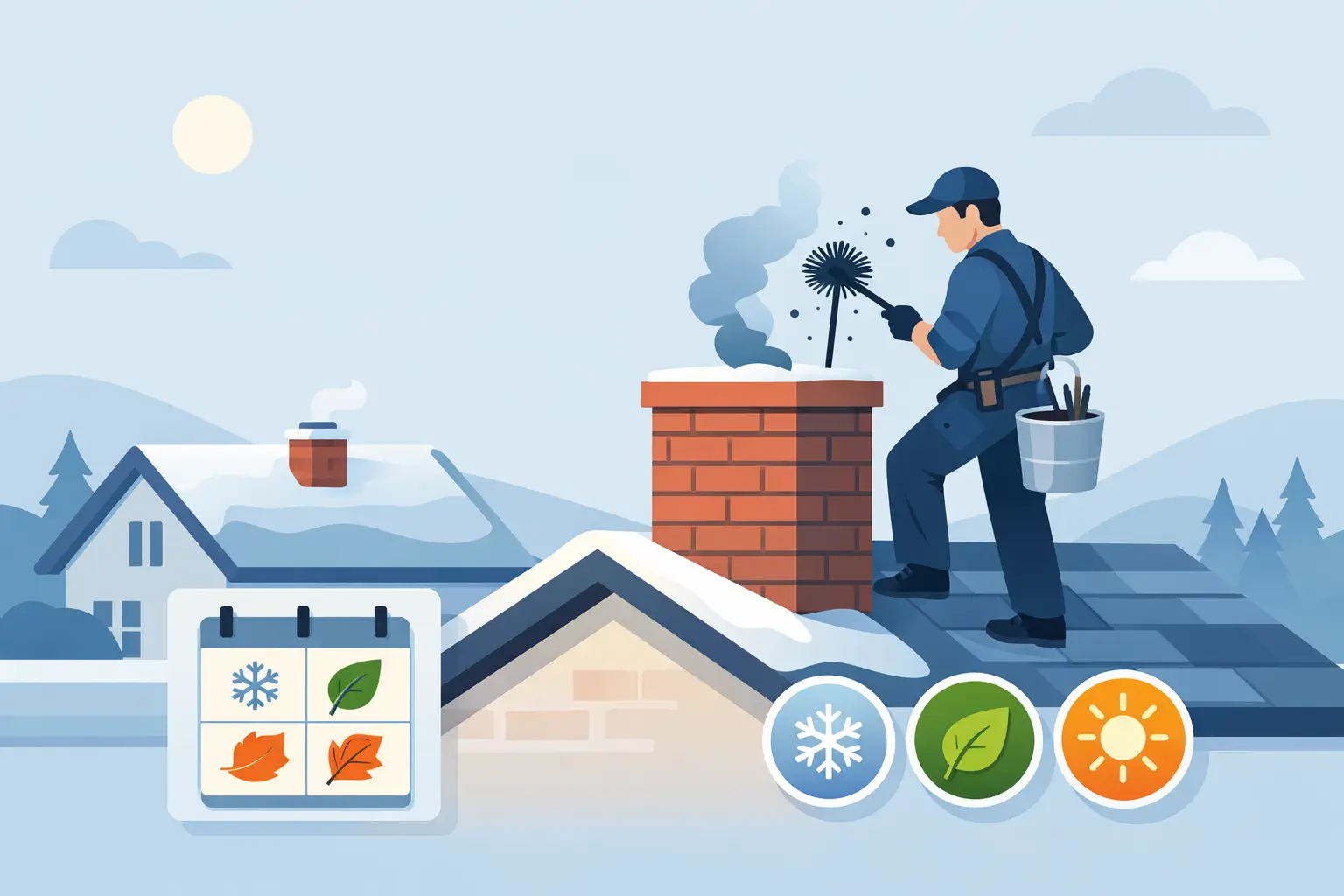
Late summer and early fall are ideal times to schedule chimney sweeping and inspection. Service is completed before you depend on the fireplace or stove, and any needed repairs can be planned before cold weather arrives. Spring is another good option, particularly after a full heating season, because it allows a professional to remove deposits and identify winter-related masonry damage.
Still, the best time is before your next fire. If your annual appointment slipped, do not assume it is safe to use the fireplace until later in the season. Schedule an inspection and cleaning first, especially if the chimney has been unused for months or you see any signs of damage.
Chimney Sweeps and Masonry of America provides dependable chimney sweeping, Level 1 inspections, fireplace service, liner work, and masonry repair for homeowners and businesses throughout Trumbull, Mahoning, and Mercer counties. A trained local professional can assess your specific system and recommend only the service it needs.
A yearly chimney appointment is a small step that helps you enjoy your fireplace with greater confidence. Before the next cold evening calls for a fire, make sure the path carrying smoke and gases out of your home is clean, clear, and ready to work safely.
We are a member of The National Chimney Guild. Certified Chimney Professional
 Optimized by Seraphinite Accelerator