- 330-505-6800
- Info@alifeprotector.com
- 11 North Main St , Niles Ohio 44446.

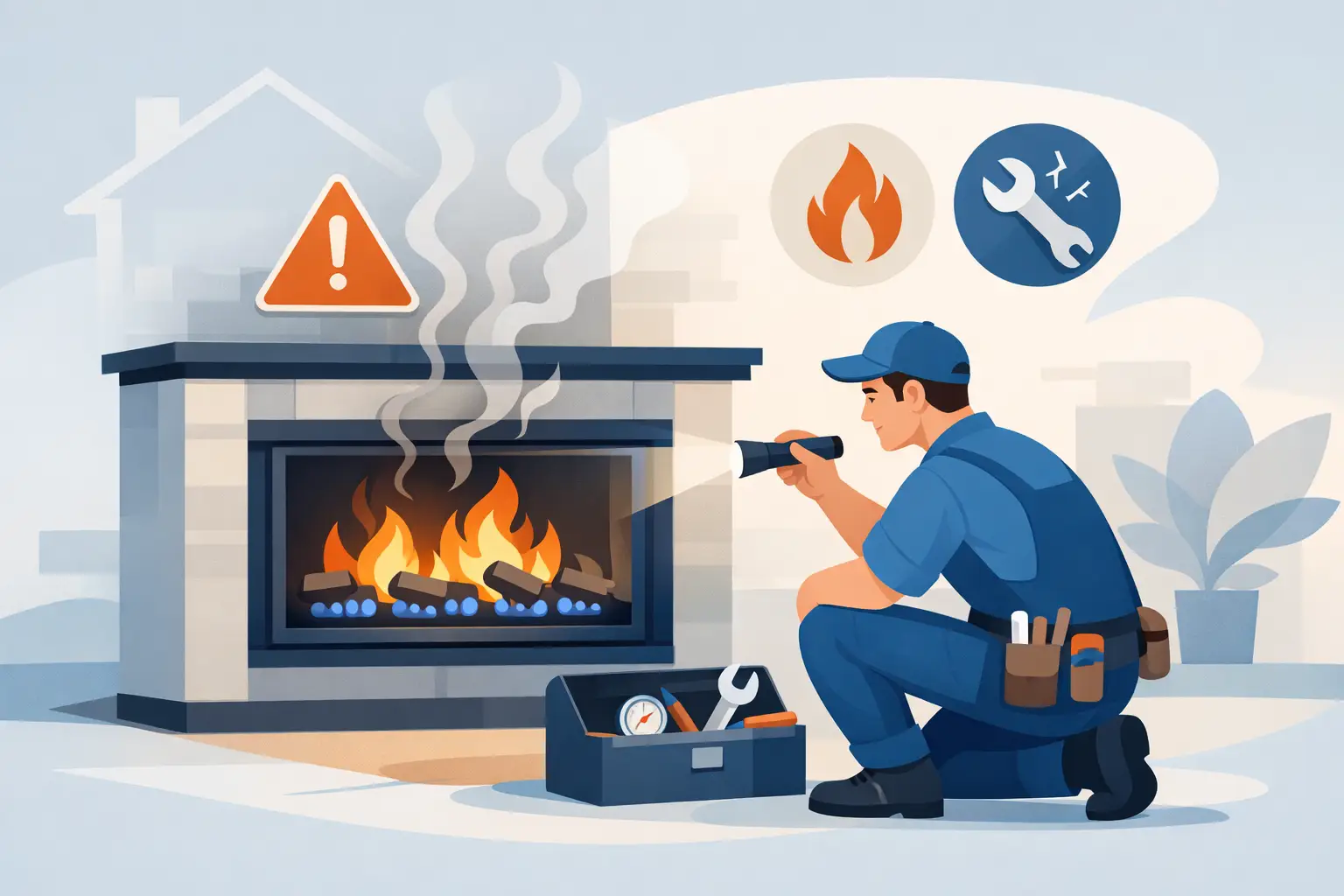
A gas fireplace that clicks repeatedly, starts and then shuts off, or leaves an unfamiliar odor in the room is doing more than interrupting a comfortable evening. It is telling you the system needs attention. Timely gas fireplace repair helps protect your household, prevents small component problems from becoming larger repairs, and keeps an important source of supplemental heat ready when northeastern Ohio and western Pennsylvania weather turns cold.
Gas fireplaces are often viewed as simple appliances because they operate with a wall switch, remote, or thermostat. Behind that convenience is a system of burners, ignition components, safety sensors, gas controls, venting, and glass or log assemblies that must work together correctly. A dependable repair begins with identifying the actual cause, not replacing parts based on a guess.
The most common concern is a fireplace that will not light. In older units, the pilot may be out, weak, or difficult to relight. In electronic ignition models, the issue may involve batteries, wiring, an igniter, a control module, or a safety sensor. A dirty pilot assembly can also produce a flame that looks small, yellow, or unstable instead of a steady blue flame that properly reaches the sensor.
A fireplace that lights but goes out after a few minutes deserves professional attention as well. The unit may be responding to a failing thermocouple or thermopile, an obstructed burner port, a ventilation issue, or a problem with the gas valve. Repeatedly trying to restart it does not correct the underlying condition and can make a frustrating issue harder to diagnose.
Soot on the glass, dark streaks around the fireplace opening, or flames that are unusually tall and lazy can point to an air-to-fuel imbalance. Some light haze on glass can occur during normal operation, especially when a unit is new. Heavy black buildup, however, is not something to wipe away and ignore. It may signal dirty burners, misplaced logs, blocked air passages, or a venting concern.
Pay attention to changes in sound, too. A brief click during startup is normal for many systems. Persistent clicking, delayed ignition, popping at the burner, whistling, or a new rumble should be evaluated. Gas appliances should ignite smoothly and operate predictably.
If you smell raw gas, turn off the fireplace if it is safe to do so, leave the area, avoid operating electrical switches or creating sparks, and contact your gas utility or emergency services from outside the home. Do not attempt troubleshooting. A carbon monoxide alarm that activates should be treated with the same urgency: get everyone to fresh air and call for emergency assistance.
Many fireplace problems begin with ordinary buildup. Dust, pet hair, insects, and debris can collect around the burner, pilot, control compartment, and air openings during the months when the fireplace is not being used. A professional cleaning removes accessible buildup while allowing the technician to inspect components that homeowners should not disassemble.
The glass-front design on direct-vent fireplaces can create a false sense that the system is sealed off from maintenance. While the combustion chamber is enclosed during use, the fireplace still has intake and exhaust pathways, a termination cap outdoors, and mechanical or electronic parts that need periodic evaluation. Outdoor leaves, nests, snow, landscaping, or deterioration at the vent termination can affect performance.
For gas logs installed in a traditional fireplace, the chimney and damper arrangement matter just as much as the gas appliance. Vented gas logs require the damper to remain in the correct open position during operation. A damaged chimney cap, water intrusion, deteriorated flue tile, or a draft problem can affect the broader hearth system. This is where a provider experienced in both fireplaces and chimneys can offer a clearer assessment than a repair limited to the burner alone.
Reliable gas fireplace repair is not just a matter of getting a flame to appear. A thorough service visit considers how the appliance starts, burns, vents, and shuts down. The technician should identify the fireplace make and model, inspect visible components, and test operation according to the manufacturer’s requirements.
During service, attention may be given to the pilot or ignition system, burner condition, gas connections, control switch or remote, batteries, safety sensors, log placement, glass gasket, and venting path. The right repair depends on the fireplace type and its age. A direct-vent fireplace, a vent-free unit, a gas insert, and a set of gas logs all have different service needs and installation requirements.
Homeowners sometimes ask whether a part can simply be cleaned instead of replaced. Often, the answer is yes. A dirty pilot assembly or burner may respond well to cleaning and adjustment. In other cases, a worn thermopile, cracked gasket, failed control module, or compromised component should be replaced with the correct manufacturer-approved part. An ethical recommendation explains what was found, why the repair is needed, and whether the unit’s condition supports repair rather than replacement.
There are a few simple checks that may solve a minor operating issue without opening the appliance. Confirm that the gas shutoff valve is open, the wall switch is on, and remote batteries are fresh. If the fireplace uses a receiver box, check its batteries and setting. Verify that the circuit breaker has not tripped for an electronically controlled unit.
Review the owner’s manual for the correct lighting procedure and only follow instructions designed for your specific model. Do not remove the glass, rearrange gas logs, insert objects into burner openings, or try to adjust the gas valve. Gas logs are positioned carefully to create the intended flame pattern and prevent soot. Even a small change in placement can affect combustion.
It also helps to note when the problem occurs. Does the fireplace fail only on the first startup of the season? Does it shut down after warming up? Is the issue tied to a remote control, thermostat setting, or windy conditions outdoors? Those details can help a technician narrow the diagnosis more efficiently.
Replacement is not automatically the best answer when a fireplace has a problem. A well-maintained unit with a failed ignition part, worn gasket, or dirty burner may have many useful years left. Repair is often the practical choice when the appliance is otherwise in sound condition and replacement parts are available.
Replacement may make more sense when a unit has recurring failures, discontinued parts, significant corrosion, damaged firebox components, or ongoing venting concerns. Older fireplaces may also lack the efficiency, controls, or safety features homeowners want today. The decision depends on the model, repair history, installation condition, and cost of the needed work – not simply the age of the fireplace.
A trusted local contractor should explain these trade-offs without pressure. For some homes, restoring the existing fireplace is the most responsible use of resources. For others, upgrading to a properly sized, efficient unit can improve reliability and reduce wasted fuel over time.
The best time to arrange fireplace service is before you depend on it. A pre-season appointment gives you time to address worn components, clean the system, verify safe operation, and order model-specific parts if needed. It also reduces the chance of discovering a no-start condition during the first cold week of winter.
For homeowners with a chimney, fireplace, and exterior masonry that all need attention, coordinating service can prevent separate problems from being overlooked. Chimney Sweeps and Masonry of America provides local fireplace, chimney, and masonry expertise for property owners who want practical recommendations and high-quality workmanship.
If your gas fireplace has changed the way it starts, burns, vents, or smells, trust that change as a reason to have it checked. Prompt service can restore the comfort you expect while helping your home stay safer, warmer, and ready for the season ahead.
We are a member of The National Chimney Guild. Certified Chimney Professional
 Optimized by Seraphinite Accelerator