- 330-505-6800
- Info@alifeprotector.com
- 11 North Main St , Niles Ohio 44446.

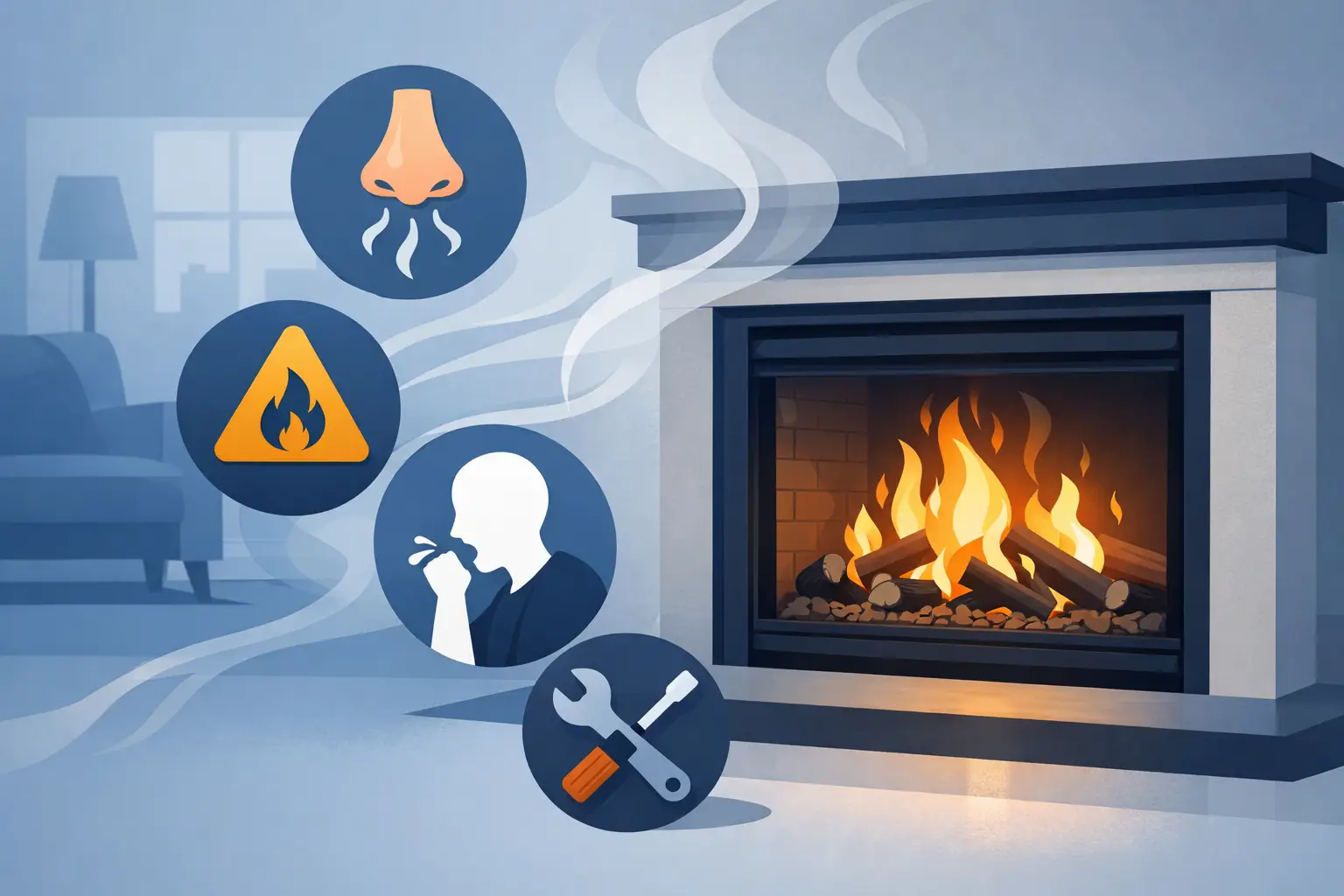
A gas fireplace that suddenly smells different deserves your attention, especially when it is the first chilly evening of the season. Some gas fireplace odors are temporary and harmless, such as dust burning off after months without use. Others can point to a gas leak, a combustion problem, or a venting issue that should be addressed promptly. Knowing the difference helps protect your household without assuming every odor means an expensive repair.
Gas fireplaces produce heat through controlled combustion. When the unit is clean, properly adjusted, and venting as designed, it should not fill the room with a strong or persistent odor during normal operation. Still, a fireplace contains burners, logs, ignition components, air passages, and sometimes a venting system, all of which can collect dust or develop service needs over time.
The timing, strength, and character of the smell matter. An odor that appears for a few minutes on the first use of the season is different from one that continues every time the fireplace runs. A smell that is strongest near the appliance is also different from one that spreads through the home or causes headaches, dizziness, nausea, or eye irritation.
Homeowners should never rely on smell alone for safety. Carbon monoxide has no odor, color, or taste. Working carbon monoxide alarms are essential in homes with gas appliances, fireplaces, furnaces, or attached garages.
A dusty, slightly burning odor is common when a gas fireplace has been idle through spring and summer. Dust may have settled on the burner, logs, firebox, or nearby components. When heat reaches those surfaces, the dust burns off and may create a light odor for the first few uses.
This should fade quickly. If it lasts longer than a few operating cycles, becomes harsh, or is accompanied by visible soot, shut the unit off and arrange for service. A professional cleaning can remove buildup and check whether the burner is producing a clean flame.
Natural gas and propane are treated with an odorant that many people describe as sulfur, rotten eggs, or skunk-like. This is the odor homeowners should treat most seriously because it can indicate a gas leak.
If you smell gas, do not light the fireplace, operate electrical switches, use a phone inside the home, or try to locate the leak yourself. Leave the building immediately, move to a safe distance, and call your gas utility or emergency services from outside. Once the immediate situation is handled, a qualified gas fireplace technician can inspect the appliance and its connections before it is used again.
A faint gas odor at startup is not something to ignore simply because it goes away. Gas should be delivered and burned within the appliance as intended. An intermittent smell may be caused by an ignition delay, a burner issue, a loose fitting, or another condition that needs a proper assessment.
A musty odor around a direct-vent fireplace or chimney-connected gas appliance may be related to moisture rather than gas. Water can enter through damaged flashing, a deteriorated chimney crown, missing or poorly fitted caps, failed masonry joints, or a compromised vent termination. Moisture can also contribute to rust on fireplace components and create conditions for mold or mildew nearby.
This is where the fireplace and the exterior chimney system need to be considered together. Cleaning the interior appliance may not solve an odor caused by water intrusion above the roofline. A careful inspection can identify whether the issue is within the firebox, the venting system, or the surrounding masonry.
New fireplaces, replacement parts, fresh paint, cleaning products, and construction materials can release odors when heated. In a newly installed gas fireplace, a temporary curing smell may occur during the first several burns. Follow the manufacturer’s instructions for initial operation, provide ventilation if permitted, and keep people with respiratory sensitivities away until the odor has cleared.
The trade-off is that not every chemical smell should be dismissed as normal. If the odor is strong, persists beyond the initial break-in period, or begins with an older fireplace that has not had recent work done, stop using the unit. Overheating wiring, deteriorating gaskets, foreign objects in the firebox, or improper materials near the fireplace can create similar smells.
A gas fireplace should not make the living area smell like exhaust. Vent-free units can produce some noticeable combustion byproducts, which is one reason they require especially careful installation, maintenance, and adherence to manufacturer requirements. Direct-vent and natural-vent models have different designs, but any ongoing exhaust odor indoors should be investigated.
Possible causes include blocked venting, a damaged vent pipe, poor draft, incorrect burner adjustment, dirty burners, or negative air pressure in the home. Powerful kitchen exhaust fans, clothes dryers, tightly sealed windows, and other combustion appliances can affect airflow. The answer depends on the fireplace type and the home, which is why a trained inspection is more reliable than a guess based on smell alone.
Turn the fireplace off and seek professional help if an odor is persistent, worsening, or paired with unusual operation. Do the same if you notice soot on the glass or walls, yellow or uneven flames where blue flames are expected, delayed ignition, popping sounds, pilot outages, condensation in unusual places, or a carbon monoxide alarm.
Leave the home and contact the gas utility or emergency services if you detect a strong gas odor or suspect an active leak. Do not return to restart the fireplace until the property has been cleared and the appliance has been evaluated. It is better to lose an evening of heat than to take chances with a fuel or combustion concern.
A gas fireplace is often described as low maintenance, but it is not maintenance-free. Annual service before the heating season is a practical way to catch small concerns before they become inconvenient or unsafe. A professional appointment typically includes checking the burner and pilot assembly, cleaning dust and debris, examining logs and glass, testing ignition, reviewing gas connections, and confirming that the appliance is venting properly.
For chimney-connected and direct-vent systems, the inspection should also consider the vent path and exterior components. Birds’ nests, leaves, insect activity, corrosion, loose sections, and water damage can all affect performance. Older homes in northeastern Ohio and western Pennsylvania may also have masonry wear that allows moisture into areas around a chimney or vent chase.
Between service visits, keep the fireplace area clear and avoid placing candles, aerosols, cleaners, furniture, or decorations too close to the unit. Do not rearrange ceramic logs or alter the burner media unless the manufacturer specifically permits it. Those parts are positioned to support proper flame patterns and combustion.
An odor is a useful warning sign, but it is not a diagnosis. A qualified technician can determine whether the smell is normal seasonal dust, a maintenance issue, a moisture problem, a venting concern, or a condition requiring repair. That distinction matters because unnecessary replacement is no better than overlooking a genuine safety issue.
For homeowners who want dependable answers, Chimney Sweeps and Masonry of America provides gas fireplace cleaning, inspection, and repair with attention to the complete hearth and chimney system. If your fireplace smells unusual, schedule service before relying on it for the season. A clean, properly operating fireplace should add comfort to your home, not leave you wondering what you are breathing.
We are a member of The National Chimney Guild. Certified Chimney Professional
 Optimized by Seraphinite Accelerator