- 330-505-6800
- Info@alifeprotector.com
- 11 North Main St , Niles Ohio 44446.

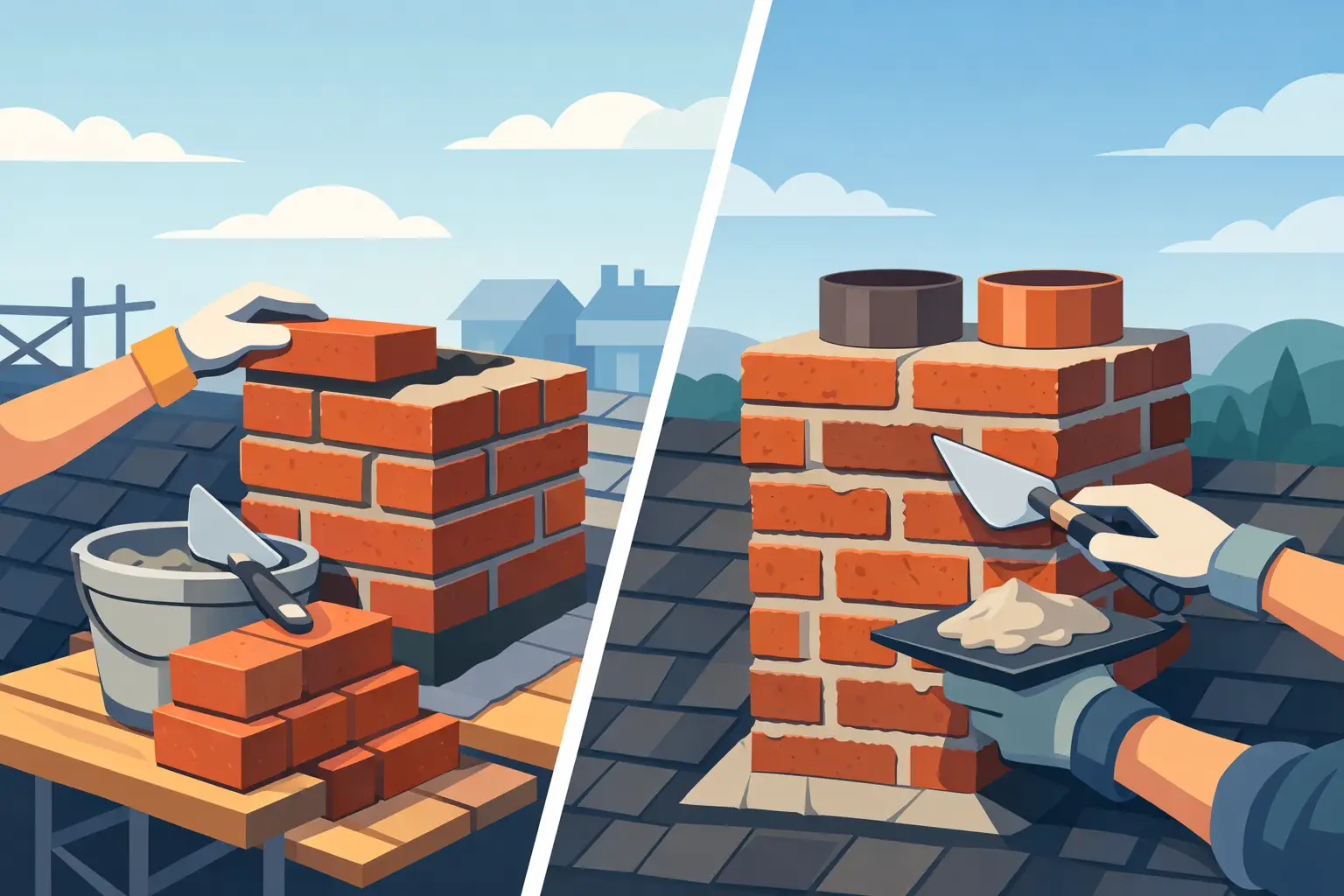
A chimney can look worn from the ground and still have years of service left. On the other hand, a chimney that appears to need only a few mortar repairs may have hidden water damage, loose brick, or structural movement behind the surface. That is why the choice between chimney rebuild versus repointing should begin with a qualified inspection, not a guess based on appearance alone.
For homeowners in northeastern Ohio and western Pennsylvania, freeze-thaw weather is especially hard on masonry. Water enters small cracks, freezes, expands, and gradually breaks down mortar and brick. Addressing that damage at the right stage can preserve a sound chimney. Waiting too long can turn a manageable repair into a larger rebuild.
Repointing repairs the mortar joints between bricks. A masonry professional removes deteriorated mortar to an appropriate depth and installs new mortar that matches the chimney’s needs in strength, color, and profile. The bricks remain in place because they are still structurally sound.
A chimney rebuild involves taking down and reconstructing a damaged section of the chimney, or in severe cases, rebuilding the full stack. It is necessary when the brick itself has failed, the chimney is leaning or unstable, the courses of brick have separated, or water damage has weakened the structure beyond what new mortar can correct.
Neither repair is automatically better. Repointing is the responsible choice when it restores a stable chimney without replacing good masonry. A rebuild is the safer choice when patching joints would only cover a deeper structural problem.
Repointing is often appropriate when mortar is cracked, missing, sandy, or recessed, but the chimney bricks remain solid and properly aligned. You may notice small gaps between bricks, crumbling mortar collecting near the base of the chimney, or areas where joints look deeper than the face of the brick.
This work does more than improve curb appeal. Sound mortar joints help the chimney resist wind, rain, snow, and temperature changes. They also help keep water from reaching the inner structure, where it can damage the flue, cause rust on metal components, or create staining and moisture problems inside the home.
A properly repointed chimney should use mortar compatible with the existing masonry. Mortar that is too hard can place stress on older, softer brick and contribute to spalling, which is when the brick face flakes or breaks away. Skilled masonry work considers the age and condition of the chimney rather than applying a one-size-fits-all material.
Repointing can be a practical option when damage is localized as well. For example, the upper courses of a chimney often deteriorate first because they receive the most rain, snow, and wind exposure. If the lower structure is stable, rebuilding only the affected top section or repointing select areas may be all that is needed.
A rebuild becomes more likely when the damage extends beyond mortar joints. Loose, cracked, or spalled bricks are a clear concern, particularly near the top of the chimney where falling masonry can create a safety hazard. A chimney that visibly leans, bulges, or has separated sections needs prompt professional attention.
Other warning signs can include wide vertical cracks, stair-step cracking through brick and mortar, missing sections of masonry, or a crown that has failed badly enough to allow water into the chimney. If a previous repair used surface caulk or a thin mortar coating over failing materials, the chimney may look temporarily improved while deterioration continues underneath.
A rebuild may be limited to the chimney above the roofline. This is common when the exposed stack has taken years of weather damage while the masonry below the roof remains sound. In other cases, foundation settlement, major water intrusion, or widespread brick failure may require a more extensive reconstruction.
The key question is whether the chimney can safely carry its own weight and protect the flue system. If it cannot, repointing alone is not a lasting repair. New mortar cannot restore bricks that have lost their strength or correct a stack that is no longer plumb.
Most chimney masonry problems have a water-management issue behind them. Mortar and brick naturally absorb some moisture, but a well-built chimney needs components that direct water away before it can do lasting harm.
The chimney crown is one of the first places to inspect. A cracked or improperly sloped crown can allow water to enter from the top and soak into the masonry below. A properly sized chimney cap helps keep rain, snow, animals, and debris out of the flue. Flashing at the roofline prevents water from entering where the chimney meets the roofing material.
When a chimney is repointed or rebuilt without correcting these related issues, new masonry may be exposed to the same damaging conditions. That is why a complete recommendation should consider the crown, cap, flashing, brick condition, and flue system together.
A close masonry assessment looks beyond obvious cracks. The technician checks whether bricks are firm, whether mortar failure is shallow or deep, whether the chimney is straight, and whether moisture has affected the crown, flashing, or interior components. For a working fireplace, wood stove, or gas appliance, the flue and venting system also deserve attention.
A Level 1 chimney inspection can help identify visible conditions affecting safe operation and basic structure. If there are signs of water damage, shifting masonry, or flue concerns, the inspection findings can guide the next step. Homeowners should be able to understand why repointing is sufficient, why a partial rebuild is recommended, or why a larger repair is needed.
At Chimney Sweeps and Masonry of America, recommendations are based on the actual condition of the chimney, not on a preference for the largest possible project. That distinction matters when you are maintaining an aging home and need a repair that is both safe and sensible.
Repointing generally costs less than rebuilding because it preserves existing brick and requires less demolition and reconstruction. However, the lowest initial price is not always the best value. Repointing a chimney with failing brick, a damaged crown, or structural movement can lead to repeat repairs and higher costs later.
A rebuild has a larger upfront cost because it involves dismantling unstable masonry, replacing materials, and rebuilding the chimney to restore proper support and weather resistance. Yet when the structure has reached that point, rebuilding the damaged section can be the more durable and responsible investment.
Ask for a clear explanation of the repair area, the condition of the brick, and any water-entry issues that should be corrected at the same time. A trustworthy contractor should explain the trade-offs plainly and avoid recommending replacement work that the chimney does not need.
Masonry deterioration rarely improves on its own. Seasonal moisture, freezing temperatures, and repeated heating cycles can make small joint failures spread quickly. If you see crumbling mortar, loose brick, white staining, water marks near the fireplace, or pieces of masonry on the roof or ground, schedule an assessment before the next harsh weather cycle.
The right repair may be careful repointing, a targeted rebuild, or a broader plan that includes a crown, cap, or flashing correction. A hands-on evaluation gives you a clear answer and helps protect both the appearance of your home and the safe operation of the chimney system. Taking care of the masonry now is one of the most dependable ways to keep a minor concern from becoming an emergency.
We are a member of The National Chimney Guild. Certified Chimney Professional
 Optimized by Seraphinite Accelerator