- 330-505-6800
- Info@alifeprotector.com
- 11 North Main St , Niles Ohio 44446.

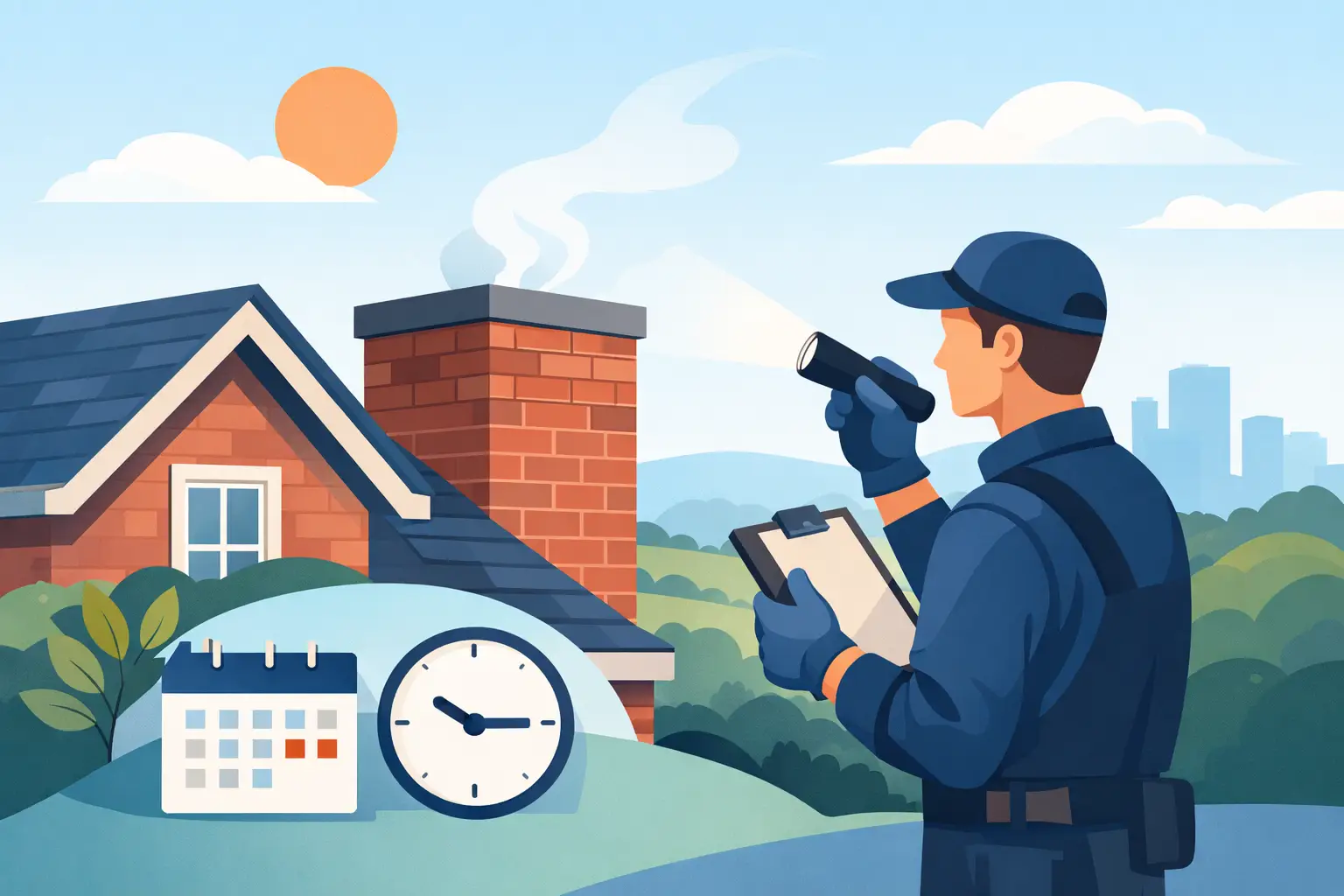
A chimney inspection in Trumbull County is not just another item on a home maintenance list. It is a practical way to find safety concerns before the first cold-weather fire, catch water damage before it spreads through brickwork, and make informed decisions about repairs. In northeastern Ohio, where wet springs, freeze-thaw cycles, and long heating seasons put real stress on chimneys, a professional inspection can protect both your heating system and your home.
For homeowners with a fireplace, wood stove, insert, or gas appliance that vents through a chimney, the best time to schedule service is before regular seasonal use. But timing is only part of the picture. A chimney that has been unused for years, has suffered storm damage, smells smoky, or shows deteriorating mortar may need attention sooner.
A Level 1 chimney inspection is the appropriate starting point for many homeowners when the system has not changed and there are no known concerns. It includes an examination of readily accessible portions of the chimney, fireplace or appliance connection, and visible exterior masonry. The goal is to assess whether the system appears structurally sound and suitable for continued use.
A qualified technician looks at more than soot. The inspection may reveal creosote buildup, damaged flue tiles or liners, loose brick, missing mortar, a cracked crown, ineffective flashing, or a chimney cap that no longer keeps out rain and animals. Each of these conditions affects the system differently, but they can all become more expensive when left unaddressed.
Inside the home, the technician also pays attention to the firebox, damper, smoke chamber, hearth area, and visible connector pipe where applicable. For wood stoves and inserts, proper venting and liner condition are especially important. For gas fireplaces, an inspection can identify venting concerns, debris, wear, and components that may need cleaning or repair.
Not every inspection leads to a major repair recommendation. A dependable inspection should distinguish between what needs immediate correction, what should be planned for, and what can simply be monitored. That clarity matters when you are caring for an older home and trying to invest wisely.
Annual inspection is a sound practice for chimneys and venting systems that are used regularly. Scheduling before fall gives you time to address any cleaning or repair needs before the first cold stretch arrives. It can also make appointment planning easier than waiting until the heating season is already underway.
There are situations where waiting for the annual visit is not a good idea. Call for an inspection if you notice a persistent smoky odor, smoke entering the room, weak fireplace draft, water stains near the chimney, crumbling mortar, white staining on brick, or pieces of flue tile in the firebox. A damaged or missing chimney cap, animal activity, and visible rust around a damper or firebox are also worth investigating.
A home purchase is another important trigger. A general property inspection may identify obvious chimney issues, but it is not a substitute for a chimney-specific assessment. Before relying on a fireplace or wood stove in a newly purchased home, have the entire accessible system evaluated by a chimney professional.
You should also schedule an inspection after a chimney fire, severe storm, lightning event, or impact from a falling branch. Even when the exterior appears intact, heat and force can cause hidden damage that affects safe operation.
Many chimney problems begin outside, not inside the flue. Brick and mortar are durable materials, but they are not immune to water. Rain can enter through cracked crowns, failed flashing, open mortar joints, and uncapped flues. Once moisture enters masonry, winter temperatures can turn a small vulnerability into spalling brick, loose joints, and wider cracks.
A chimney crown is the sloped concrete surface at the top of the stack. Its job is to direct water away from the flue and masonry below. When it cracks or breaks down, water can reach areas that are difficult to see from the ground. Flashing performs a different but equally essential job at the roofline, where the chimney meets the roofing material. Failed flashing can allow water into the attic or walls, creating damage that homeowners may first notice as a ceiling stain.
Inspection helps identify these early warning signs. Depending on the condition, the appropriate solution may be a cap installation, crown repair, flashing repair, repointing, masonry repair, or a more extensive restoration. The right repair depends on the source and extent of the problem. Applying a surface coating, for example, will not solve masonry that has already lost structural integrity or a flashing issue that is allowing water into the home.
Homeowners often use the words inspection and cleaning interchangeably, but they are not the same service. A chimney sweeping removes soot, creosote, nests, and other deposits that can restrict airflow or contribute to fire risk. An inspection evaluates the accessible condition and operation of the system.
In many cases, it makes sense to schedule both. A cleaning appointment can provide the clear access needed to assess parts of the system, while an inspection may show that cleaning is necessary before the appliance is used. Still, the work should be based on what the chimney actually needs, not on a one-size-fits-all recommendation.
Creosote deserves particular attention in wood-burning systems. It forms when combustion byproducts condense in the chimney, and the amount can vary based on wood moisture, stove operation, chimney design, and frequency of use. Burning properly seasoned firewood and operating the appliance according to manufacturer guidance can reduce buildup, but neither practice eliminates the need for professional evaluation.
When an inspection identifies a problem, the best next step is usually targeted repair. A damaged liner may require relining to provide a properly sized, continuous passage for exhaust. A deteriorated crown may need repair before water reaches the masonry beneath it. Loose mortar may require repointing to preserve the chimney’s strength and prevent further moisture entry.
For a homeowner considering a wood stove insert, inspection and planning are essential before installation. The existing chimney may need a liner, changes to the venting connection, or repairs to the surrounding masonry. The details depend on the appliance, chimney condition, manufacturer requirements, and the home’s layout. Good installation work is not about forcing an appliance into an existing opening. It is about creating a system that vents correctly and can be maintained safely.
The same careful approach applies to gas fireplaces. A gas unit may produce less visible residue than wood, but it still relies on properly functioning components and venting. Routine cleaning, inspection, and repair help support reliable operation and help identify problems before they interrupt your use of the appliance.
A thorough chimney inspection should leave you with useful answers, not pressure. Ask what was found, why it matters, what work is recommended now, and what can be watched over time. Photographs and plain-language explanations are especially helpful when discussing a crown, liner, flashing, or interior flue concern that is not easy to see from the ground.
Look for a provider with dedicated chimney training, recognized industry involvement, and experience with both combustion systems and masonry. That combination is valuable because chimney safety and exterior preservation are closely connected. Repairing brick without addressing water entry is incomplete work, just as cleaning a flue without identifying a damaged liner can leave an underlying concern unresolved.
Chimney Sweeps and Masonry of America serves local homeowners and businesses with that whole-system perspective, from Level 1 inspections and sweeping to liners, caps, crowns, flashing, and masonry repair. The focus should always be reliable, high-quality work and recommendations that fit the actual condition of your property.
If your fireplace has been quiet since last winter, your chimney is showing signs of weathering, or you are preparing to buy or sell a home, scheduling an inspection now can provide the reassurance needed to use your heating system with greater confidence when the weather turns.
We are a member of The National Chimney Guild. Certified Chimney Professional
 Optimized by Seraphinite Accelerator