- 330-505-6800
- Info@alifeprotector.com
- 11 North Main St , Niles Ohio 44446.

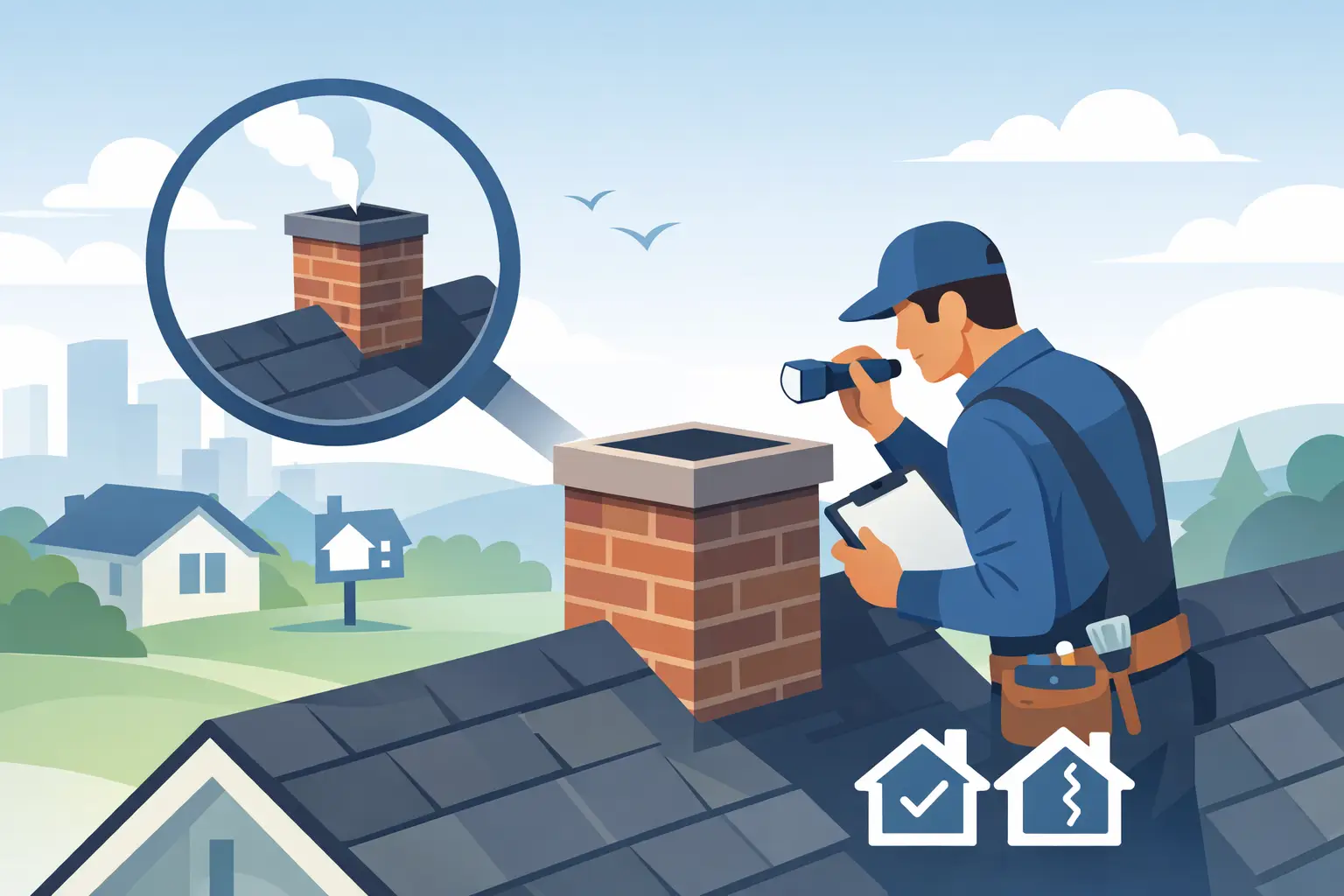
A fireplace can make a home feel like the right one the moment you walk in. But behind the hearth, a chimney may be hiding water damage, flue deterioration, unsafe clearances, or repairs that are far more costly than they first appear. Scheduling a chimney inspection before buying a house gives you a clearer picture of the property before closing – and gives you useful information for negotiations, repair requests, and future maintenance planning.
For buyers in northeastern Ohio and western Pennsylvania, this step matters especially in older homes. Brick chimneys, wood-burning fireplaces, inserts, and gas appliances all need to be evaluated as complete systems. A clean-looking firebox or a recently painted chimney exterior does not confirm that the system is safe to use.
A standard home inspection is valuable, but it may not provide the detailed evaluation a chimney and venting system require. Home inspectors commonly look at visible conditions, such as obvious cracking, a missing cap, or exterior deterioration. They may not inspect the full interior of the flue, assess the liner closely, or determine whether the chimney can safely vent the appliance connected to it.
That distinction can be significant. A chimney can appear solid from the ground while the flue liner has cracked tiles, deteriorated mortar joints, gaps, or a buildup of creosote. On the exterior, failing flashing, a cracked crown, loose mortar, and spalled brick can allow water into the structure. Once moisture enters a masonry chimney, freeze-thaw cycles can turn a manageable repair into broader masonry restoration.
A professional inspection helps identify concerns before they become your responsibility. It also helps you separate a minor maintenance item from a condition that affects safety, function, or the value of the home.
The right inspection level depends on the property and the transaction. A basic Level 1 chimney inspection is often appropriate for a chimney that has had no changes and has no known problems. It includes an examination of readily accessible parts of the chimney, fireplace, and connected appliance, along with a review of basic operation and visible conditions.
However, a real estate transaction often calls for a more detailed Level 2 inspection. This level is commonly recommended when a property is sold or transferred, after a significant event such as a chimney fire or lightning strike, or when an appliance or liner has been changed. It generally includes a video scan of the flue interior and a closer assessment of accessible areas.
Ask the chimney professional what level is appropriate for the home you are considering. A reputable contractor should explain the scope clearly and recommend only the work or evaluation the condition warrants. If the seller says the fireplace has not been used in years, that is a reason to inspect it, not a reason to assume it is problem-free.
The flue is the passage that carries smoke, gases, and heat out of the home. It is also the part of the chimney buyers are least able to evaluate on their own. A camera inspection can reveal cracked or missing flue tiles, deteriorated joints, offset sections, obstructions, previous fire damage, and improper liner installation.
For homes with gas fireplaces or furnaces venting through a chimney, the condition and sizing of the liner matter as well. An improperly sized or damaged liner can affect draft and may allow combustion byproducts to enter places they do not belong. For wood-burning systems, liner defects and creosote accumulation can increase the risk of a chimney fire.
A thorough evaluation looks beyond whether smoke can travel upward. The inspector considers the safety and condition of the whole chimney system, from the appliance connection to the top of the stack.
Inside the home, that can include the firebox, damper, smoke chamber, hearth, nearby combustible materials, stove pipe, and visible appliance connections. The inspection may also identify signs of water entry, such as staining, rust, damaged drywall near the chimney breast, or a damp odor around the fireplace.
Outside, attention should be given to the chimney crown, cap, flashing, brick, mortar joints, and overall stability. A missing cap may let rain, leaves, and animals enter the flue. A failed crown can direct water into the masonry below. Damaged flashing can allow leaks at the roofline, where water may travel into attic spaces or wall systems before it becomes obvious indoors.
Common findings during a pre-purchase inspection include:
Not every finding means you should walk away from the home. Many chimney issues can be repaired effectively. The value of the inspection is knowing the condition, understanding the likely scope of work, and deciding how it should affect your offer or purchase agreement.
If an inspection identifies a concern, request a written description of the condition and recommended correction. Clear documentation is more useful than a vague statement that the chimney “needs attention.” It allows you, your real estate agent, and the seller to discuss a specific repair, credit, or price adjustment.
For example, a chimney that needs cleaning and a new cap may be a straightforward maintenance expense. A chimney with extensive water damage, failing flashing, deteriorated mortar, and a damaged liner is a different conversation. It may require coordinated masonry repair, liner work, and appliance evaluation before the fireplace can be used safely.
Be cautious about accepting a seller’s verbal assurance that a repair was completed. Ask for invoices, permits where applicable, and information about who performed the work. If a chimney was rebuilt, relined, or converted from one fuel type to another, the details matter. A new-looking chimney top does not necessarily mean the interior system is correctly configured.
Buyers sometimes want to light a small fire to see whether the fireplace works. That is not a reliable safety test, and it can create a hazard if the flue is obstructed, the damper is damaged, or the system has hidden defects. Gas fireplaces should also be evaluated by a qualified professional before operation, particularly when maintenance records are unavailable.
Instead, let the inspection guide the next step. If the system is serviceable but dirty, schedule cleaning before use. If repairs are needed, address them before relying on the fireplace, stove, or insert for heat.
Our regional weather is hard on masonry. Rain, snow, humidity, and repeated freezing and thawing can break down mortar and brick over time. Water is often the underlying issue when a chimney begins to lean, shed brick faces, stain interior walls, or develop cracked mortar joints.
The best repair is not always replacement. In some cases, targeted crown repair, chimney cap installation, flashing correction, or repointing can preserve a structurally sound chimney and prevent continued damage. In other cases, widespread deterioration may require more extensive masonry work. An honest assessment should explain what is urgent, what can be monitored, and what will protect the chimney for the long term.
This is where working with one provider capable of evaluating both chimney safety and masonry condition can be helpful. Chimney Sweeps and Masonry of America serves homeowners throughout Trumbull, Mahoning, and Mercer counties with practical recommendations based on the condition of the entire system, not a one-size-fits-all replacement approach.
Before you leave the appointment, make sure you understand whether the chimney is safe to use as it stands, whether cleaning is needed, and whether any repair should be completed before closing or before the first fire. Ask whether the flue liner is sound and correctly matched to the connected appliance. If water damage is present, ask where the moisture is entering and what repair will stop it.
It is also wise to ask about ongoing care. A home with a wood-burning fireplace or stove will need regular inspection and cleaning based on use and fuel type. Gas fireplaces need periodic service as well. Planning for that maintenance from the start helps protect your investment, improves heating efficiency, and supports safer operation.
A home purchase comes with enough unknowns. A careful chimney inspection gives you one less reason to guess. Before you make the fireplace part of your first winter in the house, make sure the system behind it has been evaluated by a trusted local professional.
We are a member of The National Chimney Guild. Certified Chimney Professional
 Optimized by Seraphinite Accelerator