- 330-505-6800
- Info@alifeprotector.com
- 11 North Main St , Niles Ohio 44446.

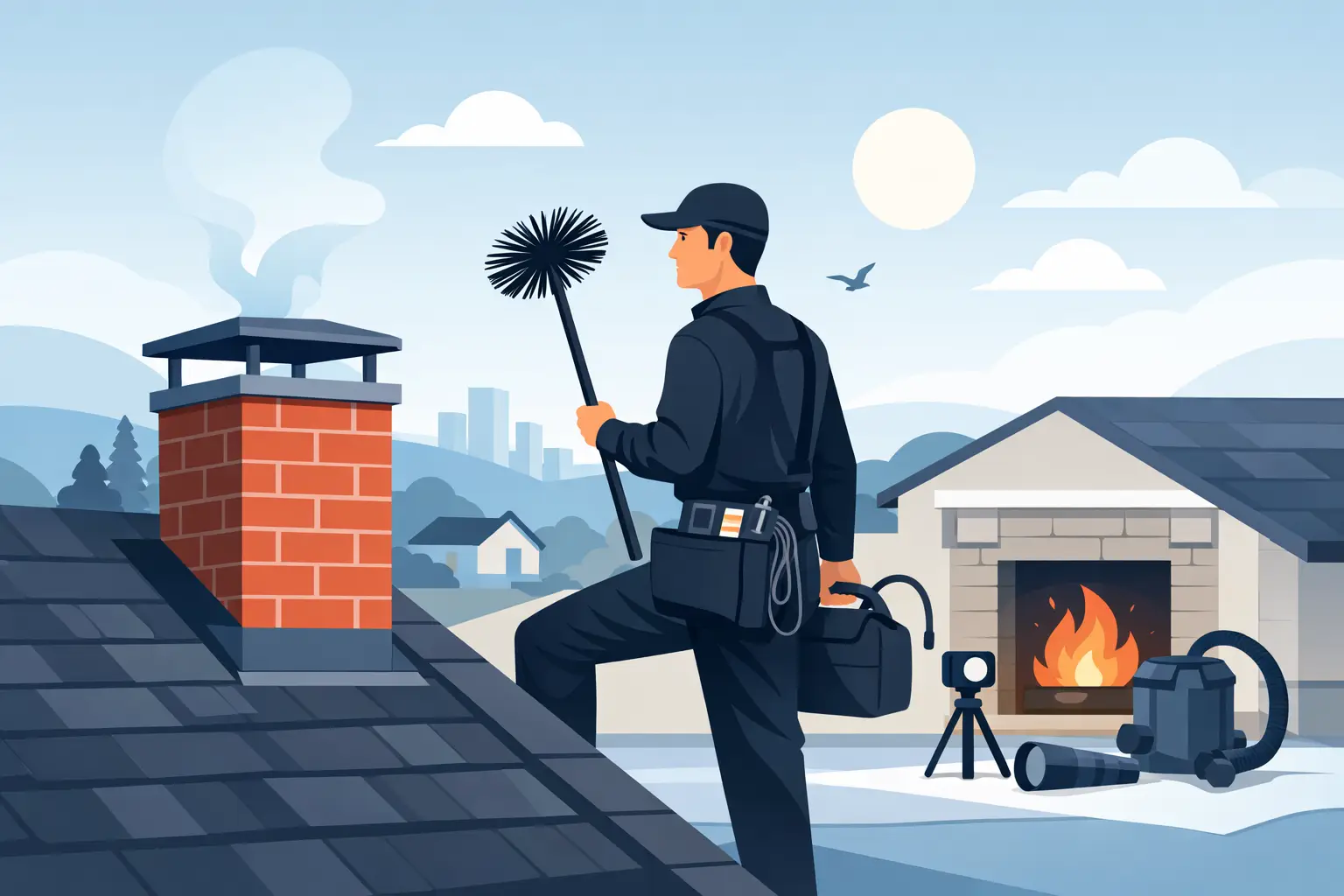
A certified sweep is more than someone who removes soot from a fireplace. Your chimney is part of a working combustion system, and every appointment should consider how safely that system vents smoke, heat, and gases from your home. For homeowners across northeastern Ohio and nearby western Pennsylvania, that matters most when fireplace season returns, but it should not be ignored the rest of the year.
A properly trained chimney professional can identify buildup, venting concerns, damaged components, and early signs of water intrusion before they become a fire risk, carbon monoxide concern, or expensive masonry repair. The goal is not to sell work you do not need. It is to give you a clear picture of your chimney’s condition and recommend practical next steps.
The term certified sweep generally refers to a chimney professional with recognized training in chimney inspection, cleaning, fire safety, and venting systems. Certification and continuing education matter because chimneys are not all built or used the same way. A wood-burning fireplace, gas fireplace, wood stove insert, furnace flue, and older masonry chimney each have different operating conditions and potential problems.
A qualified professional should understand the full path that exhaust takes from the appliance to the top of the chimney. That includes the firebox or appliance connection, damper, smoke chamber, flue liner, chimney cap, crown, flashing, and masonry exterior. A problem at any point can affect performance and safety.
Professional affiliation and ongoing training are valuable signs that a sweep takes the trade seriously. They do not guarantee that every chimney needs a major repair. In fact, an ethical certified provider should be willing to say when a chimney only needs cleaning, monitoring, or a minor correction.
Many homeowners use the words cleaning and inspection interchangeably, but they serve different purposes. Sweeping removes soot, ash, and creosote from a wood-burning system. Creosote is the combustible material that can collect inside a flue when wood smoke cools and condenses. If it builds up, it can fuel a chimney fire.
An inspection evaluates the accessible parts of the chimney and hearth system for conditions that may affect safe operation. During a Level 1 chimney inspection, a professional typically reviews readily accessible portions of the chimney structure and flue, the fireplace or appliance connection, and visible signs of damage or obstruction. This is often appropriate for a system that has not changed and is being used as intended.
Cleaning may be recommended during the same visit if deposits are present. But a clean chimney is not automatically a sound chimney. Cracked flue tiles, deteriorated mortar, missing caps, water damage, and improper clearances can all exist without a heavy layer of soot.
A good service visit begins with questions. How often is the fireplace used? Has smoke entered the room? Do you notice a musty odor, water staining, falling debris, or trouble getting a fire to draft? Have you changed appliances, installed an insert, or purchased the home recently? These details help determine what the chimney needs.
The work should also be carried out with care for your home. Professional sweeping equipment, containment practices, and proper cleanup help keep soot and dust from spreading through your living space. Once the system is evaluated, you should receive direct findings in plain language, not vague warnings designed to pressure you into immediate replacement.
If repairs are needed, the recommendation should explain why. For example, a chimney cap may be necessary to help keep out rain, animals, leaves, and nesting material. Crown repair can prevent water from entering the chimney structure from the top. Flashing repair addresses the vulnerable area where the chimney meets the roof. Repointing replaces failing mortar joints before water can work deeper into the brickwork.
Each repair solves a different problem. That is why a responsible recommendation begins with identifying the source of the issue rather than treating every chimney with the same solution.
Annual inspection is a sensible baseline for chimneys, fireplaces, and venting systems, especially before regular seasonal use. The best time often depends on your schedule. Spring and summer appointments can reveal winter damage and allow time for masonry repairs before cold weather returns. Fall service is also common, though waiting until the first cold stretch can make scheduling more difficult.
You should arrange an appointment sooner if you notice smoke backing into the room, a strong odor from the fireplace, pieces of tile or masonry in the firebox, visible cracks, water stains near the chimney, or rust on the damper or fireplace components. A damaged chimney cap, crumbling crown, loose brick, or failing mortar deserves attention even if you do not use the fireplace often. Water can continue damaging an unused chimney year-round.
A certified sweep is especially important after a chimney fire, a severe storm, lightning damage, an earthquake, a house fire, or a change in fuel type or heating appliance. Installing a wood stove insert, for instance, may require evaluating the flue size, condition, and whether a liner is needed for safe, efficient operation.
The liner is one of the most important safety components in a chimney. It channels smoke and combustion byproducts out of the home while helping protect surrounding masonry and combustible building materials from heat. Older chimneys may have deteriorated clay tile liners, unlined flues, or liners that do not properly match the appliance being used.
A liner issue does not always mean the entire chimney must be rebuilt. Sometimes a properly selected stainless steel liner can restore a safer venting path for a fireplace, wood stove, or appliance. The right recommendation depends on the appliance, fuel, chimney dimensions, existing flue condition, and local code requirements.
This is an area where experience matters. An oversized, undersized, damaged, or poorly installed liner can contribute to draft problems, excess creosote, inefficient burning, and potential safety concerns. A careful evaluation helps avoid guessing.
Chimney maintenance protects more than the flue. It also protects the masonry structure above your roofline, where wind, rain, snow, freeze-thaw cycles, and temperature changes take a steady toll. In Trumbull, Mahoning, and Mercer counties, winter weather can turn small cracks and open mortar joints into larger repair needs quickly.
Water is usually the enemy behind visible deterioration. Once moisture enters through a cracked crown, missing cap, failed flashing, or worn mortar joints, it can freeze and expand. Bricks may begin to spall, mortar can loosen, and interior leaks may appear around the chimney.
Addressing the source early is often less disruptive and more cost-effective than waiting for extensive rebuilding. The right repair may be a cap, crown repair, flashing work, repointing, or a targeted masonry restoration. It depends on what the chimney actually needs.
Before scheduling service, ask whether the provider performs inspections as well as cleaning, whether they can explain their findings clearly, and whether they handle masonry repairs when exterior issues are discovered. It is also reasonable to ask about training, certification, insurance, and how they protect the home during a sweeping appointment.
Be cautious with anyone who gives a major repair recommendation without showing or explaining the condition behind it. Chimney work can be technical, but the explanation should still make sense to a homeowner. You deserve to know whether a repair is urgent for safety, advisable to prevent water damage, or something that can be monitored.
Chimney Sweeps and Masonry of America provides local chimney and masonry service with that practical approach in mind. From Level 1 inspections and sweeping to liner work, gas fireplace service, chimney caps, and masonry repairs, the focus is on reliable, high-quality care for the system you have.
A fireplace should bring warmth and comfort to your home, not uncertainty. Scheduling professional chimney service before small concerns become serious gives you time to make informed decisions and keep your home ready for the season ahead.
We are a member of The National Chimney Guild. Certified Chimney Professional
 Optimized by Seraphinite Accelerator