- 330-505-6800
- Info@alifeprotector.com
- 11 North Main St , Niles Ohio 44446.

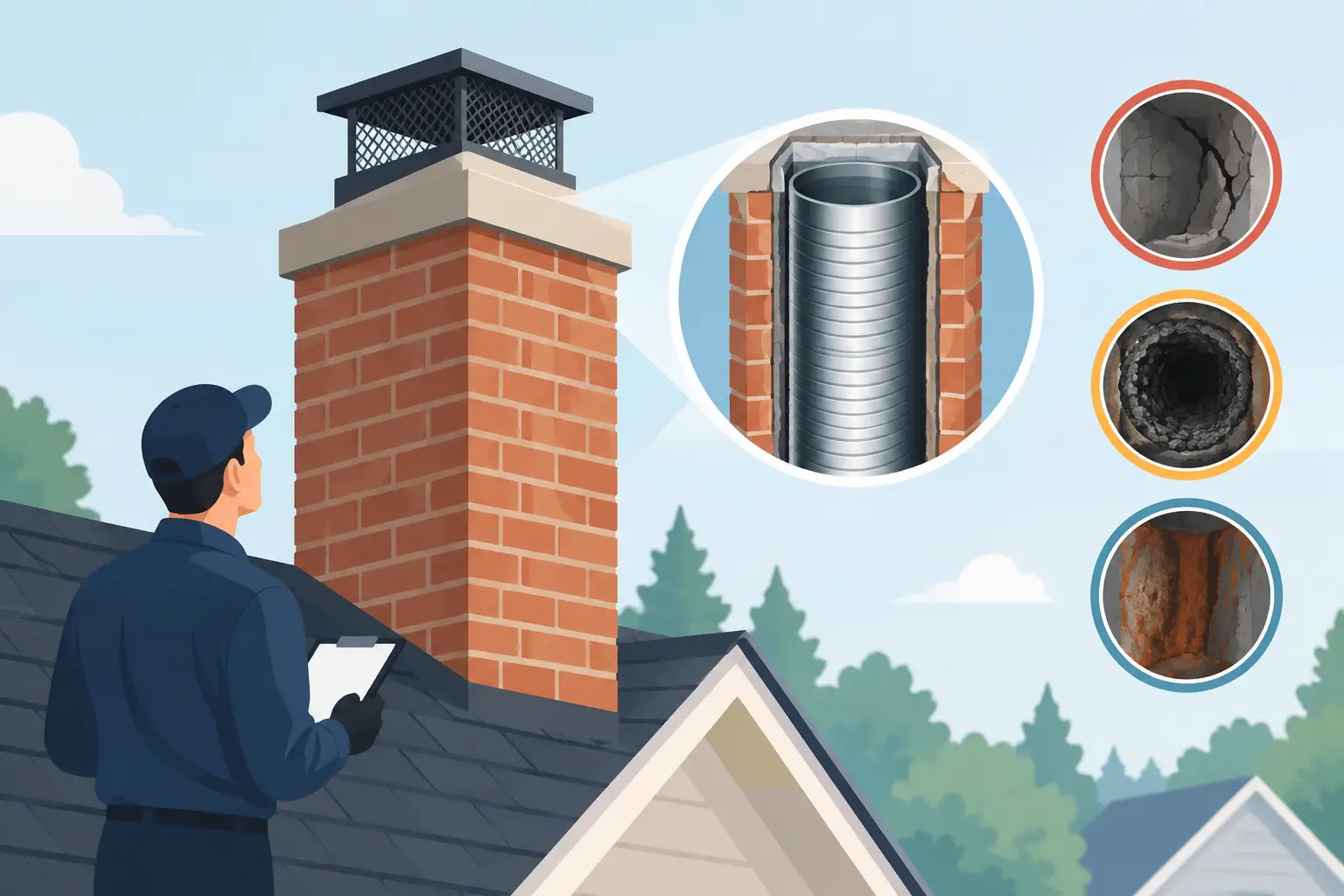
A chimney liner is easy to overlook because it sits inside the chimney, out of sight. But it is one of the most important safety components of a fireplace, wood stove, furnace, or boiler venting system. If you are wondering when to replace a chimney liner, do not wait for a major failure. A damaged or improperly sized liner can allow heat, smoke, carbon monoxide, moisture, and corrosive flue gases to reach places they do not belong.
For homeowners in northeastern Ohio and western Pennsylvania, this matters even more in older homes with masonry chimneys that have seen decades of winter use. A professional inspection can determine whether a liner needs repair, relining, or simply continued monitoring. The right answer depends on the appliance, the condition of the chimney, and what the inspection reveals.
A chimney liner creates a protected passage for combustion byproducts to leave the home. It helps contain heat and gases, improves draft, and protects the masonry chimney structure from acidic flue residue and moisture. Clay tile, stainless steel, and aluminum are common liner materials, although the proper choice depends on the appliance and fuel being used.
Without a sound liner, the brick and mortar inside a chimney can deteriorate faster. Gaps, cracks, and failed joints may allow heat or gases to escape into wall cavities, attics, or living areas. That is why liner condition is not just a performance concern. It is a fire-safety and indoor-air-quality concern.
A chimney liner does not always fail all at once. In many cases, it wears down gradually as moisture, heat cycles, creosote, and flue gases take their toll. An annual chimney inspection is the most reliable way to identify problems before they become more expensive repairs.
You should schedule a professional evaluation promptly if you notice any of these signs:
These signs do not automatically mean replacement is necessary. For example, a smoky fireplace can result from a blocked cap, negative air pressure, a cold flue, or an appliance drafting issue. However, they are good reasons to have a trained chimney professional inspect the complete venting system rather than guessing at the cause.
Many older masonry chimneys were built with clay tile liners. Clay is durable, but it can crack from age, thermal stress, settling, chimney fires, and moisture exposure. When tiles crack or mortar joints between them fail, heat and flue gases can reach the surrounding masonry.
Replacing individual clay tiles inside an existing chimney is often impractical. Depending on the extent of the damage and the appliance being vented, installing a properly sized stainless steel liner may be the safer, longer-lasting solution. A video scan during an inspection can help reveal breaks and missing sections that are not visible from the fireplace opening.
Metal liners also have a service life. Stainless steel generally provides excellent durability when it is correctly selected and installed for the appliance. Aluminum liners are typically used only for certain gas appliances and can corrode when exposed to excessive moisture or incompatible venting conditions.
Rust streaks, pinholes, loose sections, separated joints, and visible deterioration are reasons to evaluate replacement. A liner that looks acceptable at the bottom may still have hidden damage higher in the chimney, so a complete inspection matters.
One of the clearest times to consider chimney liner replacement is when installing a new appliance. Modern gas furnaces, boilers, wood stove inserts, and other efficient appliances may vent differently than the equipment they replace. An existing chimney may be oversized, damaged, or made from a material that is not appropriate for the new appliance.
For example, an oversized masonry flue serving a newer gas appliance can cool exhaust gases too quickly. That may create condensation inside the chimney, leading to liner corrosion, moisture damage, and masonry deterioration. A properly sized liner helps the appliance draft as intended and can reduce those risks.
Wood stove inserts commonly require a dedicated liner running from the stove connection to the top of the chimney. This is not an unnecessary add-on. It supports safer operation, better draft, easier maintenance, and cleaner performance. The liner type, insulation needs, and diameter should be selected based on the stove manufacturer requirements, the chimney configuration, and applicable codes.
Even a small chimney fire can damage a liner. Chimney fires may be loud and obvious, but some burn briefly or go unnoticed. Warning signs can include cracking sounds during a fire, an unusually hot chimney exterior, puffy creosote deposits, damaged chimney caps, or new cracks in flue tiles.
If you suspect a chimney fire, stop using the appliance until the chimney has been professionally inspected. Do not assume the system is safe because it appears normal from the outside. High temperatures can crack clay liners, warp metal components, and damage masonry in areas that cannot be seen without proper equipment.
Water is one of masonry’s most persistent enemies. A missing cap, damaged crown, failed flashing, cracked brick, or deteriorated mortar can allow rain and snowmelt into the chimney. Once moisture enters, repeated freezing and thawing can worsen cracks and weaken masonry. It can also accelerate corrosion in metal liners and connectors.
This is why liner work should not be viewed separately from exterior chimney maintenance. If a new liner is installed but the crown is cracked or the flashing leaks, the underlying water problem remains. Addressing liner condition, caps, crowns, flashing, and masonry repairs as one system protects the investment and helps the chimney last longer.
Not every older chimney needs a new liner. Ethical chimney care begins with an inspection, not a sales pitch. A Level 1 inspection may be appropriate for a system that has not changed and shows no known concerns. If there are performance problems, suspected liner damage, an appliance change, or a chimney fire, a more detailed inspection may be recommended.
During an evaluation, a qualified technician looks at the appliance connection, visible flue condition, chimney exterior, draft-related concerns, clearance issues, and signs of moisture or structural damage. When appropriate, a camera inspection provides a closer view of the liner interior.
The recommendation should explain what was found, why it matters, and whether repair, relining, cleaning, or continued observation is the reasonable next step. A liner replacement is a significant project, and homeowners deserve clear information before moving forward.
The best replacement liner is not always the most expensive material. It must be compatible with the appliance, fuel type, chimney height, flue path, and manufacturer requirements. Stainless steel liners are frequently used for wood-burning appliances and many gas or oil applications because they are durable and versatile. The grade of stainless steel, liner thickness, insulation, and connection components all matter.
A properly installed liner should also allow for future cleaning and inspection. Poor sizing or shortcut installations can create draft problems, restrict maintenance access, or reduce appliance performance. Quality workmanship protects both the liner and the heating system it serves.
For homeowners in Trumbull, Mahoning, and Mercer counties, Chimney Sweeps and Masonry of America can inspect the full chimney system and provide straightforward recommendations based on its actual condition. The goal is safe, efficient operation and durable repairs, not replacing components that are still serviceable.
If your chimney is aging, your appliance has changed, or your fireplace is showing signs of poor performance, schedule an inspection before the heating season begins. A clear assessment now can help keep a small liner issue from becoming a safety concern or a larger masonry repair later.
We are a member of The National Chimney Guild. Certified Chimney Professional
 Optimized by Seraphinite Accelerator