- 330-505-6800
- Info@alifeprotector.com
- 11 North Main St , Niles Ohio 44446.

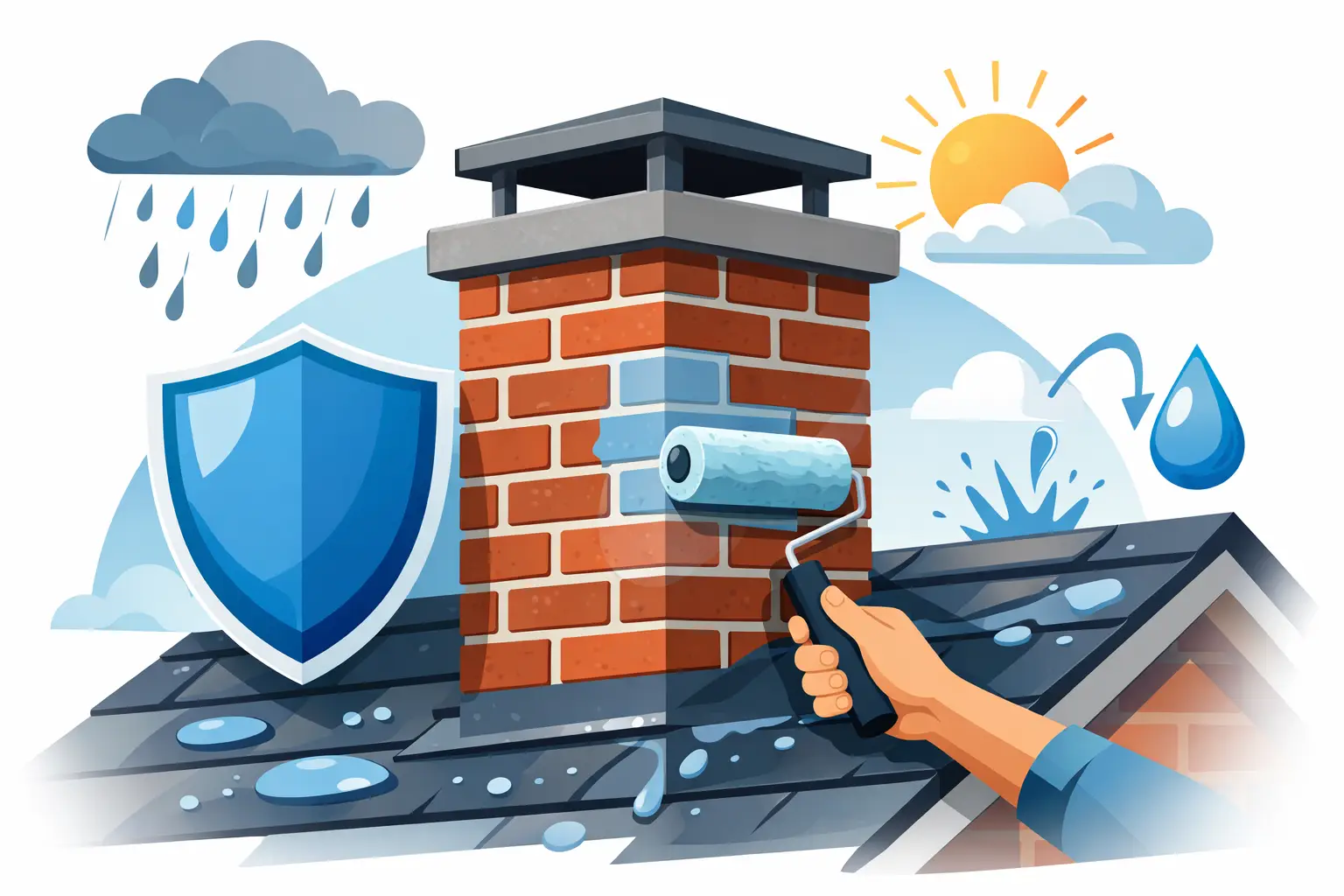
A brick chimney can look solid for decades while water is quietly working its way into the mortar joints, crown, and flashing. In northeastern Ohio and western Pennsylvania, repeated rain, snow, ice, and freeze-thaw cycles can turn a small maintenance issue into loose brick, interior leaks, and expensive structural repair. Knowing how to protect brick chimney masonry starts with stopping water at the top and addressing small signs of deterioration before another winter makes them worse.
Brick is durable, but it is not waterproof. Both brick and mortar absorb some moisture, especially as they age. When absorbed water freezes, it expands and can force the surface of the brick to break away. This is called spalling. Mortar joints may crack, crumble, or pull back from the brick, creating wider paths for water to enter.
Heat adds another layer of stress. A working chimney expands and contracts as it heats and cools, while the exterior masonry faces changing weather. That is why chimney protection involves more than applying a coating. The cap, crown, flashing, mortar, brickwork, liner, and venting system all need to work together.
A chimney that looks acceptable from the ground may still have early damage at the roofline or top course of brick. A professional inspection is often the safest way to see what is happening without climbing onto the roof or disturbing compromised masonry.
The chimney top is where many water problems begin. Rain, snowmelt, and wind-driven moisture land there first, so protection should begin with the components designed to direct water away.
A chimney cap covers the flue opening while allowing smoke and combustion gases to vent. It helps keep rain, snow, leaves, nesting animals, and debris out of the flue. Without a cap, water can enter the chimney directly and damage the liner, firebox, damper, and interior masonry.
A cap must fit the chimney and flue correctly. A loose, undersized, rusted, or poorly attached cap can fail in high wind or allow water around its edges. Stainless steel and other corrosion-resistant materials are often a practical choice for long-term performance, but the right cap depends on the chimney’s configuration and fuel-burning appliance.
The crown is the sloped concrete or masonry surface at the very top of the chimney. Its job is to shed water away from the flue and brickwork. A cracked crown allows water to soak into the chimney from above, often causing damage that is not obvious until mortar joints begin failing below it.
Small crown cracks may be repairable with an appropriate crown repair material. Crowns with extensive cracking, poor slope, exposed reinforcement, or separation from the flue may need more substantial restoration or replacement. Covering a badly damaged crown with a quick coating can delay the right repair, but it will not correct underlying movement or missing material.
Flashing seals the joint where the chimney meets the roof. It is one of the most important defenses against roof and attic leaks. Damaged flashing can allow water to run behind siding, under shingles, or into ceilings, where the source of the leak is easy to misidentify.
Watch for lifted metal, rust, gaps in sealant, loose counterflashing, or staining on ceilings near the chimney. Flashing issues are not always caused by the chimney itself, but they should be evaluated promptly because water can damage both the roof system and the masonry below.
Mortar usually wears out before brick. That is normal, especially on older chimneys. The problem begins when joints become deeply recessed, sandy, cracked, or missing in spots. Once the mortar no longer supports and seals the brick, water enters more easily and individual bricks may shift or loosen.
Repointing removes deteriorated mortar to the proper depth and replaces it with compatible new mortar. Compatibility matters. Mortar that is too hard for older, softer brick can cause the brick face to take the stress and deteriorate faster. Skilled masonry work considers the age and condition of the chimney rather than treating every structure with the same material or repair method.
Do not fill failed joints with ordinary caulk or surface patching as a long-term solution. These materials can trap moisture or detach as the chimney moves through seasonal temperature changes. Proper repointing takes more time, but it restores both the appearance and the weather resistance of the masonry.
A breathable masonry water repellent can be useful after necessary repairs are complete. The key word is breathable. The correct product helps limit liquid water absorption while allowing water vapor inside the masonry to escape.
Paint, thick sealers, or non-breathable coatings can create problems when used on brick chimney masonry. If moisture becomes trapped behind them, it may cause peeling, cracking, or accelerated spalling during freezing weather. A water repellent also cannot compensate for open mortar joints, a cracked crown, defective flashing, or missing bricks.
Whether repellent makes sense depends on the chimney’s condition, exposure to weather, and prior repairs. A professional assessment can determine whether the masonry is dry enough and structurally sound enough for treatment. Applying any coating over active water intrusion is rarely the right first step.
Exterior masonry protection and chimney safety are closely connected. Water entering a flue can mix with soot and combustion byproducts, creating acidic moisture that damages metal components and masonry. It can also contribute to odors, damper corrosion, liner deterioration, and staining around the fireplace.
Annual chimney sweeping and a Level 1 inspection help identify water entry, creosote buildup, liner concerns, and visible masonry damage before the heating season. If you use a wood-burning fireplace, stove, or insert regularly, routine service is especially valuable. A properly sized and properly installed liner can also help protect the chimney structure from heat transfer and combustion byproducts.
If you notice a strong musty odor, white mineral deposits called efflorescence, flakes of brick in the firebox, rust on the damper, or water in the fireplace after rain, schedule an inspection. These signs do not always mean the chimney needs complete rebuilding, but they do indicate that moisture should be traced to its source.
You do not need to climb onto the roof to monitor your chimney. From the ground and inside the home, check for several warning signs each spring and fall:
Also keep nearby tree branches trimmed back. Branches can damage caps, scrape masonry, and leave debris on the roof that holds moisture near the chimney. When clearing gutters, look for unusual pieces of mortar or brick granules, which may signal deterioration above.
Avoid pressure washing chimney brick. High-pressure water can drive moisture into joints and damage already weakened mortar. Likewise, avoid using harsh acids to clean masonry without professional guidance. The goal is to preserve the brick, not simply make it look newer for a short time.
Some chimney concerns call for timely professional attention. Loose bricks, a visibly leaning stack, large vertical cracks, a damaged crown, or water entering the home can worsen quickly. Continued use of a fireplace or stove may not be safe if the flue, liner, or masonry structure has been affected.
A reliable contractor should explain what they found, identify the cause of the problem, and recommend repair based on the actual condition of the chimney. Not every issue requires rebuilding. In many cases, focused crown repair, flashing work, cap installation, repointing, or localized masonry repair can protect the system and extend its service life.
For homeowners in Trumbull, Mahoning, and Mercer counties, Chimney Sweeps and Masonry of America can inspect the full chimney system, from the flue and fireplace to the brickwork above the roofline. A clear assessment helps you make a repair decision based on safety, durability, and your home’s needs.
Protecting a brick chimney is less about waiting for a dramatic failure and more about responding to the first small clues. A sound cap, crown, flashing system, and mortar joints give your chimney the best chance to handle another season of Ohio and Pennsylvania weather.
We are a member of The National Chimney Guild. Certified Chimney Professional
 Optimized by Seraphinite Accelerator