- 330-505-6800
- Info@alifeprotector.com
- 11 North Main St , Niles Ohio 44446.

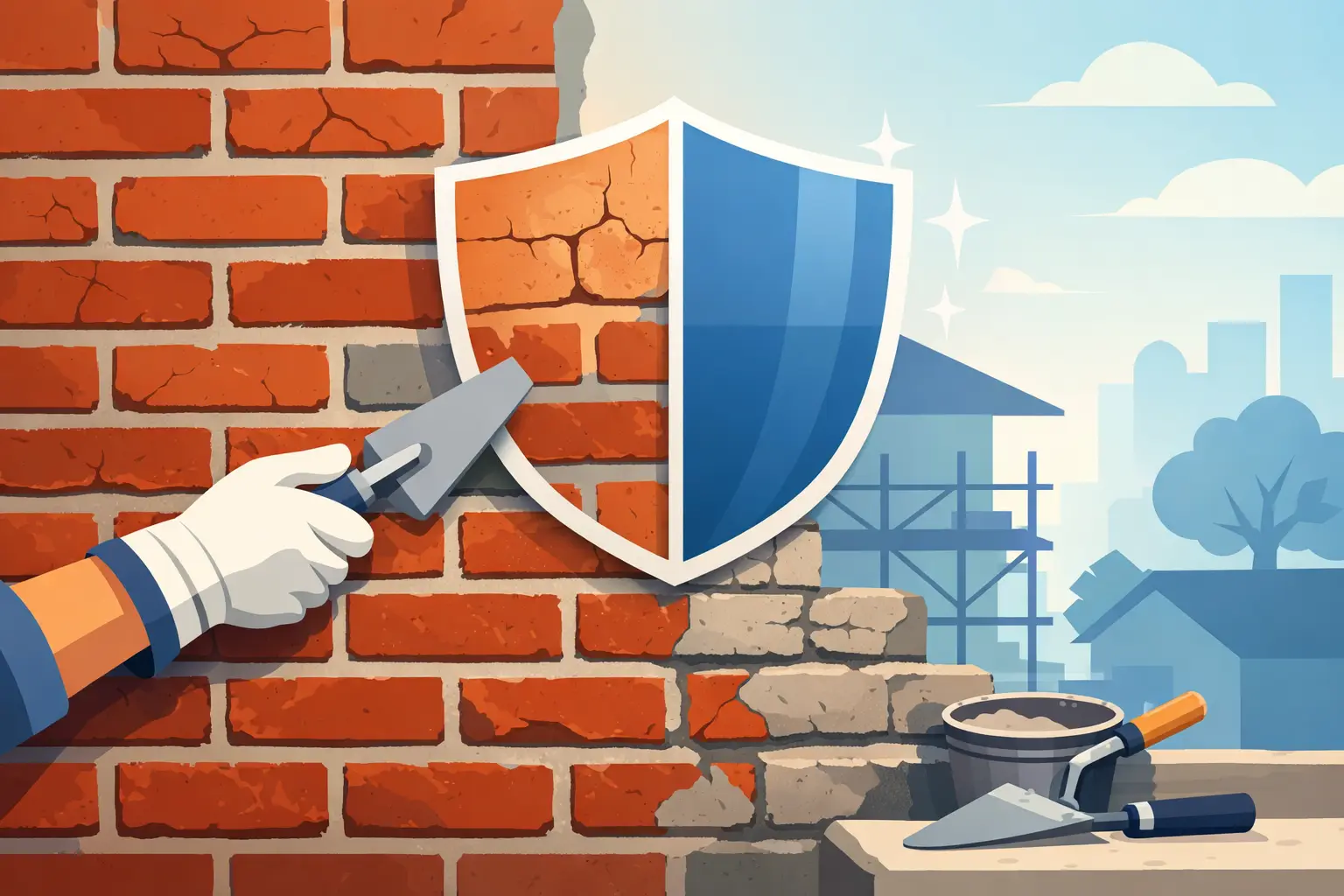
A chimney can look solid from the ground while its mortar joints are quietly breaking down. Once cracks, gaps, or soft mortar let water into the masonry, a small maintenance issue can turn into loose brick, interior moisture damage, or a failing chimney structure. Masonry repointing addresses those vulnerable joints before the surrounding brickwork is put at risk.
For homeowners in northeastern Ohio and western Pennsylvania, this work is especially valuable. Freeze-thaw cycles, wind-driven rain, snow, and years of heating-system use all place stress on exterior masonry. A timely repair preserves the original brick whenever possible and helps avoid the expense of rebuilding sections that could have been saved.
Brick is durable, but the mortar between individual bricks is designed to wear over time. Mortar is often the first part of a wall or chimney to show its age because it absorbs weather exposure and movement. Repointing means carefully removing deteriorated mortar from the joints and replacing it with new mortar that is selected and installed to support the existing masonry.
This is not the same as spreading mortar over the face of a crack. Quality work requires removing unsound material to an appropriate depth, cleaning the joint, and packing in new mortar so it bonds properly. The finished joint should shed water, support the brick, and blend reasonably with the existing appearance.
On a chimney, repointing can be part of a larger repair plan. A professional may also find a damaged crown, missing cap, deteriorated flashing, loose bricks, or a liner concern that needs attention. These components work together. Repairing mortar while ignoring the source of water entry can shorten the life of the repair.
Mortar deterioration does not always announce itself with a dramatic failure. Regularly looking at your chimney, porch steps, retaining walls, and exterior brick can help you spot problems early. You may need an evaluation if mortar is cracked, missing, recessed deeply behind the brick face, or soft enough to crumble when touched.
White powdery staining on brick, called efflorescence, can also point to moisture moving through the masonry. It does not automatically mean a wall is failing, but it is worth finding out where the water is coming from. Spalled brick, where the surface flakes or breaks away, is another concern. In cold climates, trapped water can freeze inside brick and mortar, creating pressure that causes visible damage.
Chimneys deserve close attention because they stand above the roofline and take the full force of the weather. Look for loose or displaced bricks, open vertical cracks, pieces of mortar on the roof or ground, rusted flashing, or water marks near the fireplace. If a chimney is leaning, has wide cracks, or appears unstable, do not wait for seasonal maintenance. It needs prompt professional assessment.
Not every mortar mix is right for every building. Older homes may have softer historic brick and lime-based mortar that need a compatible replacement. A mortar that is too hard can cause the brick to take on stresses and moisture damage that the mortar should have handled. The result can be cracked or spalled brick around a repair that was intended to protect it.
Color and joint profile matter, too, particularly on a highly visible chimney or front-facing wall. Matching is never only cosmetic. Proper mortar selection considers the brick’s age and condition, the location of the structure, exposure to weather, and the original style of the joints.
This is one reason repointing is best treated as skilled masonry work rather than a quick patch. The goal is not simply to fill gaps. It is to maintain a masonry system that can manage moisture and seasonal movement as intended.
A reliable repair starts with determining why the joints failed. Weathering is common, but ongoing water entry from a failed chimney crown, missing cap, damaged flashing, or poor drainage may be the real driver. Repairing the cause protects the new mortar from early failure.
The mason then removes loose and deteriorated mortar without unnecessarily damaging the edges of the brick. The joints are cleaned of dust and debris, often lightly moistened as needed, and filled in layers with compatible mortar. This allows the material to cure properly and creates a dense, weather-resistant joint.
After the joints are finished to match the existing profile, the masonry needs proper curing time. Weather can affect scheduling and results. Very cold temperatures, extreme heat, heavy rain, and direct drying winds can all complicate mortar work. A professional contractor will plan around conditions rather than rushing a repair that needs time to set correctly.
The scope depends on what the inspection finds. Some chimneys need localized spot repointing around a few failing areas. Others need broad repointing across the stack, followed by crown repair and a new chimney cap to limit future water exposure. An honest assessment should explain the difference and recommend only the level of work the structure needs.
Repointing is a practical option when most of the brick is still sound and the damage is concentrated in the mortar joints. It can extend the service life of a chimney or wall significantly when completed before loose brick and structural movement spread.
Rebuilding may be the safer choice when bricks are extensively cracked, soft, displaced, or no longer bonded securely. A chimney with severe leaning, large stair-step cracks, or widespread freeze damage may not have enough stable material left for repointing alone. In those cases, rebuilding the damaged section is often the more durable and responsible repair.
There is a trade-off. Repointing generally preserves more of the original masonry and can be less invasive, but it cannot restore brick that has already failed. Rebuilding costs more and involves more work, yet it may prevent a partial collapse or repeated patching. A hands-on inspection is the right way to make that decision.
Once masonry is repaired, routine chimney care helps protect that investment. A properly sized chimney cap keeps out much of the rain, snow, leaves, and animal activity that contribute to moisture problems. A sound crown directs water away from the top of the chimney, while correctly installed flashing protects the roof-to-chimney connection.
Annual chimney inspections are also useful for identifying changing conditions before they become visible from the ground. If you use a fireplace, wood stove, or gas appliance, inspection and cleaning support both masonry preservation and safe system operation. Moisture, creosote, venting performance, and liner condition can affect the overall health of the chimney.
Homeowners can help by keeping gutters clear, watching for overflowing downspouts near masonry, and avoiding pressure washing that can force water into weak joints. Do not apply a waterproof coating to damaged masonry as a substitute for repairs. Some products can trap moisture, and a coating does not correct failed mortar, flashing, or crown damage.
The best time to schedule masonry work is before a minor defect becomes an urgent repair. Late spring through fall often provides favorable conditions, but a professional can assess masonry at any time of year and advise whether immediate stabilization, weather protection, or scheduled repair is appropriate.
Chimney Sweeps and Masonry of America evaluates chimney masonry as part of the complete system, not as an isolated surface problem. That approach helps homeowners understand whether they need repointing, a crown repair, flashing work, brick replacement, or a more extensive solution.
If you have noticed crumbling joints, loose brick, water marks, or changes in your chimney’s appearance, let a trained local masonry professional look closely. A clear assessment now can keep your brickwork standing strong through many more Ohio and Pennsylvania winters.
We are a member of The National Chimney Guild. Certified Chimney Professional
 Optimized by Seraphinite Accelerator