- 330-505-6800
- Info@alifeprotector.com
- 11 North Main St , Niles Ohio 44446.

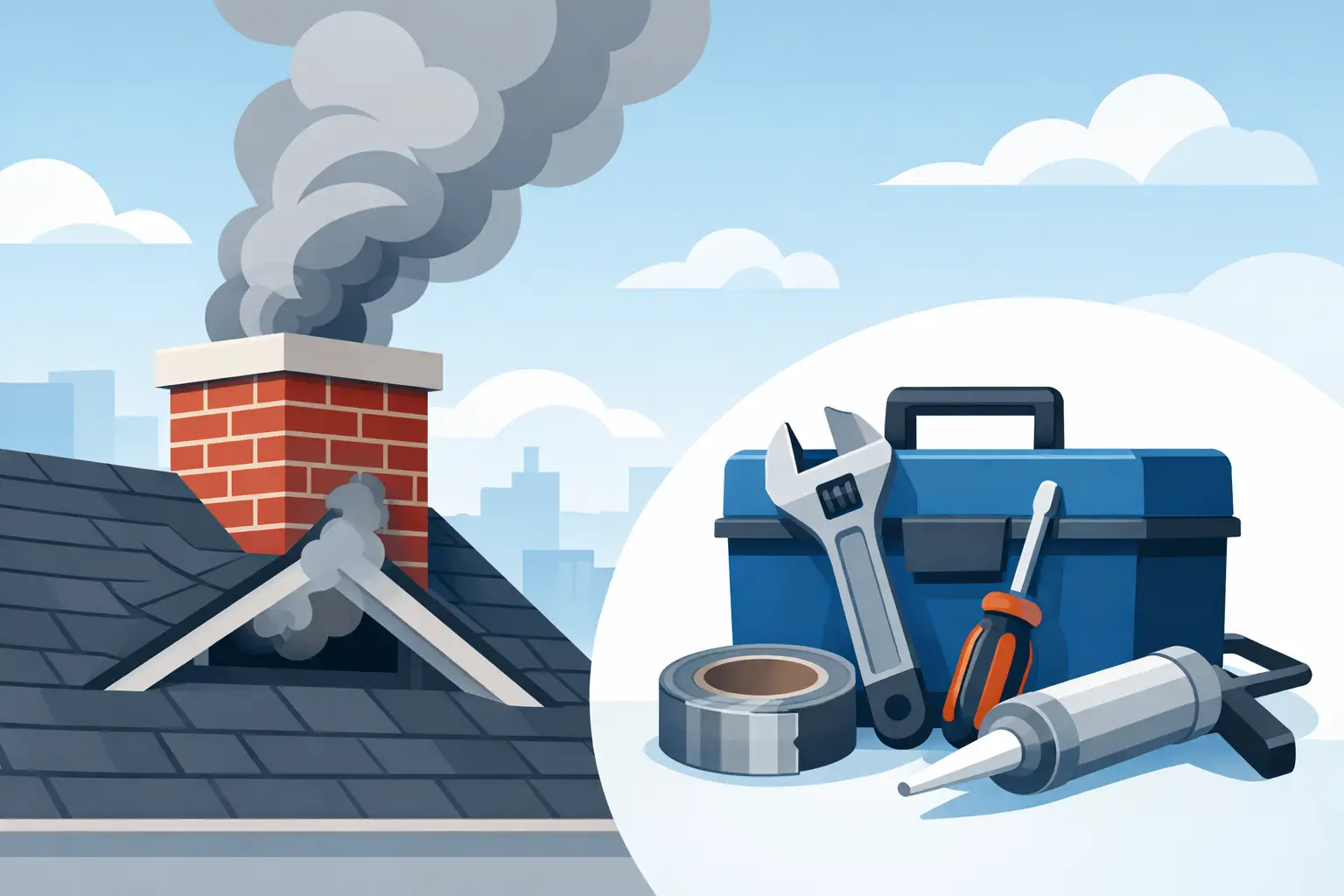
Smoke belongs in the flue and outdoors, not in your living room. So, can a chimney leak smoke? Yes. Smoke can enter a home through a poorly drafting fireplace opening, a damaged or disconnected flue, gaps around a chimney system, or a venting problem elsewhere in the house. The cause is not always obvious, and continuing to use the appliance before the problem is identified can expose your household to smoke, carbon monoxide, and fire hazards.
A little smoke may escape when a fireplace door is opened to add wood, especially on a windy day. Persistent smoke in the room, smoke odors outside of use, or soot appearing on walls and ceilings are different matters. They deserve a professional assessment before the next fire.
A chimney works because warm combustion gases rise through a clear, properly sized flue and exit above the roofline. That upward movement is called draft. When draft is weak, blocked, reversed, or bypassed by a defect in the chimney system, smoke can take the easier path back into the home.
The location of the smoke offers an early clue. Smoke rolling out of the fireplace opening usually points to a draft, air-pressure, or blockage concern. Smoke appearing in an upstairs room, attic, wall cavity, or near the chimney chase may indicate a damaged flue liner, open joints, or a problem with a connected appliance. In either case, stop using the fireplace, wood stove, or insert until it has been inspected.
Do not assume a visible brick chimney is automatically safe because its exterior looks solid. The masonry is the outer structure. The flue liner inside is what is designed to contain heat, smoke, and combustion gases. A liner can crack, deteriorate, separate at a joint, or be improperly sized without showing clear signs from the ground.
Creosote buildup, a bird nest, leaves, broken tile, a displaced chimney cap, or other debris can reduce the flue’s opening. Even a partial restriction can slow the exhaust enough to push smoke back toward the firebox. Wood-burning systems should be inspected regularly and swept when soot or creosote accumulation warrants cleaning.
A blockage is not a do-it-yourself issue involving a flashlight and a ladder. Material may be lodged farther down the flue, and a partial blockage can be difficult to see without the proper equipment. A Level 1 chimney inspection provides a practical starting point for many homeowners who need to evaluate the readily accessible parts of their system.
Cold air is heavier than warm smoke. When a chimney has been unused for days or weeks during an Ohio or western Pennsylvania winter, the column of cold air in the flue can resist the fireplace’s draft. The result may be smoke spilling into the room at startup.
A cold flue does not always mean something is broken. However, repeated startup smoke, a draft that never improves, or a problem that has recently become worse should not be dismissed as normal. Changes in the chimney, nearby trees, roofline, cap, appliance, or home ventilation can all affect performance.
Modern windows, weatherization, kitchen range hoods, bath fans, clothes dryers, and forced-air systems can change the pressure inside a home. If the house is pulling air inward more strongly than the chimney is pulling exhaust upward, smoke may spill from the fireplace or wood stove.
This is especially common in tightly sealed homes or when several exhaust appliances are running at once. Opening a nearby window slightly may improve the situation, but it is only a clue, not a permanent repair. The right solution depends on the appliance, the chimney design, and how the home moves air.
The flue liner is one of the most important safety components in a chimney. It protects surrounding masonry and framing from high temperatures while directing smoke outside. Cracked clay tiles, deteriorated mortar joints, rusted metal liners, or a liner that does not match the appliance can allow heat and combustion byproducts to travel where they should not.
Liner problems are particularly important after a wood stove insert or gas appliance has been installed. An insert may need a correctly sized, continuous liner to vent safely and efficiently. Connecting a new appliance to an old chimney without verifying the liner can lead to smoke problems, poor performance, and preventable damage.
Water intrusion is often the beginning of larger chimney trouble. A failed crown, missing cap, damaged flashing, deteriorating mortar, or loose masonry can allow moisture into the structure. Freeze-thaw cycles can then widen cracks and loosen joints.
Not every exterior masonry crack is a direct smoke leak. Still, structural deterioration can affect the flue system, expose gaps, and allow water damage to accelerate. A complete recommendation should address both the combustion path inside the chimney and the masonry protection outside it. Repairing only the visible symptom can leave the underlying issue in place.
A chimney must extend high enough above the roof to draft reliably. Nearby roof peaks, additions, tall trees, or other structures can create turbulence that pushes air down the flue. A damaged cap can also interfere with proper exhaust flow, while an incorrectly selected cap may restrict a system it was intended to protect.
These issues require careful evaluation. Raising a chimney, changing a cap, or adding a draft-assisting product without diagnosing the cause can create a costly fix that does not solve the smoke problem.
First, stop adding fuel and allow the fire to die safely. If smoke is heavy, open doors or windows to ventilate the area if you can do so safely. Keep children and pets away from the fireplace or stove, and do not try to force a smoky fire to burn hotter.
If anyone feels dizzy, nauseated, confused, unusually tired, or develops a headache, move everyone to fresh air and seek emergency help. Carbon monoxide has no color or odor, and symptoms can be mistaken for a cold or flu. Working carbon monoxide alarms on every level of the home, particularly near sleeping areas, are a basic layer of protection, not a substitute for proper venting.
Do not use the appliance again simply because the smoke clears after opening a window. Smoke may clear while a liner defect, blockage, or draft failure remains. Repeated exposure can soil finishes, worsen respiratory irritation, and increase the risk of a chimney fire or carbon monoxide event.
A qualified chimney professional starts with the appliance and the evidence: when smoke occurs, what fuel is used, whether the issue began suddenly, and how the home behaves when exhaust fans operate. The inspection then checks accessible portions of the firebox, damper, smoke chamber, flue, cap, crown, flashing, and exterior masonry.
When conditions call for it, a more detailed inspection may be recommended to evaluate internal flue surfaces or hidden damage. That recommendation should have a clear reason behind it. Homeowners deserve to know whether they need cleaning, masonry repair, liner work, a cap or crown repair, or simply guidance on operating an otherwise sound system.
At Chimney Sweeps and Masonry of America, the goal is to provide that clarity. A certified local assessment can separate routine maintenance from necessary safety repairs, helping homeowners in Trumbull, Mahoning, and Mercer counties make informed decisions without unnecessary replacement work.
Regular maintenance is the most reliable defense against surprise smoke issues. Have wood-burning chimneys inspected routinely, keep caps and crowns in good condition, repair failing mortar before water damage spreads, and use properly seasoned firewood. Wet wood creates more smoke and creosote, while oversized fires can overwhelm a system that is not designed for them.
For gas fireplaces, do not overlook annual service needs. A gas system can develop venting, burner, pilot, or ignition problems that affect safe operation even though it does not produce wood smoke. Any unusual odor, soot, delayed ignition, or performance change should be checked by a trained technician.
A chimney that leaks smoke is giving you useful information: something in the venting system, the home, or the structure needs attention. Acting early protects indoor air, preserves the masonry, and gives you a better chance of returning to a safe, dependable fire before the next cold evening.
We are a member of The National Chimney Guild. Certified Chimney Professional
 Optimized by Seraphinite Accelerator