- 330-505-6800
- Info@alifeprotector.com
- 11 North Main St , Niles Ohio 44446.

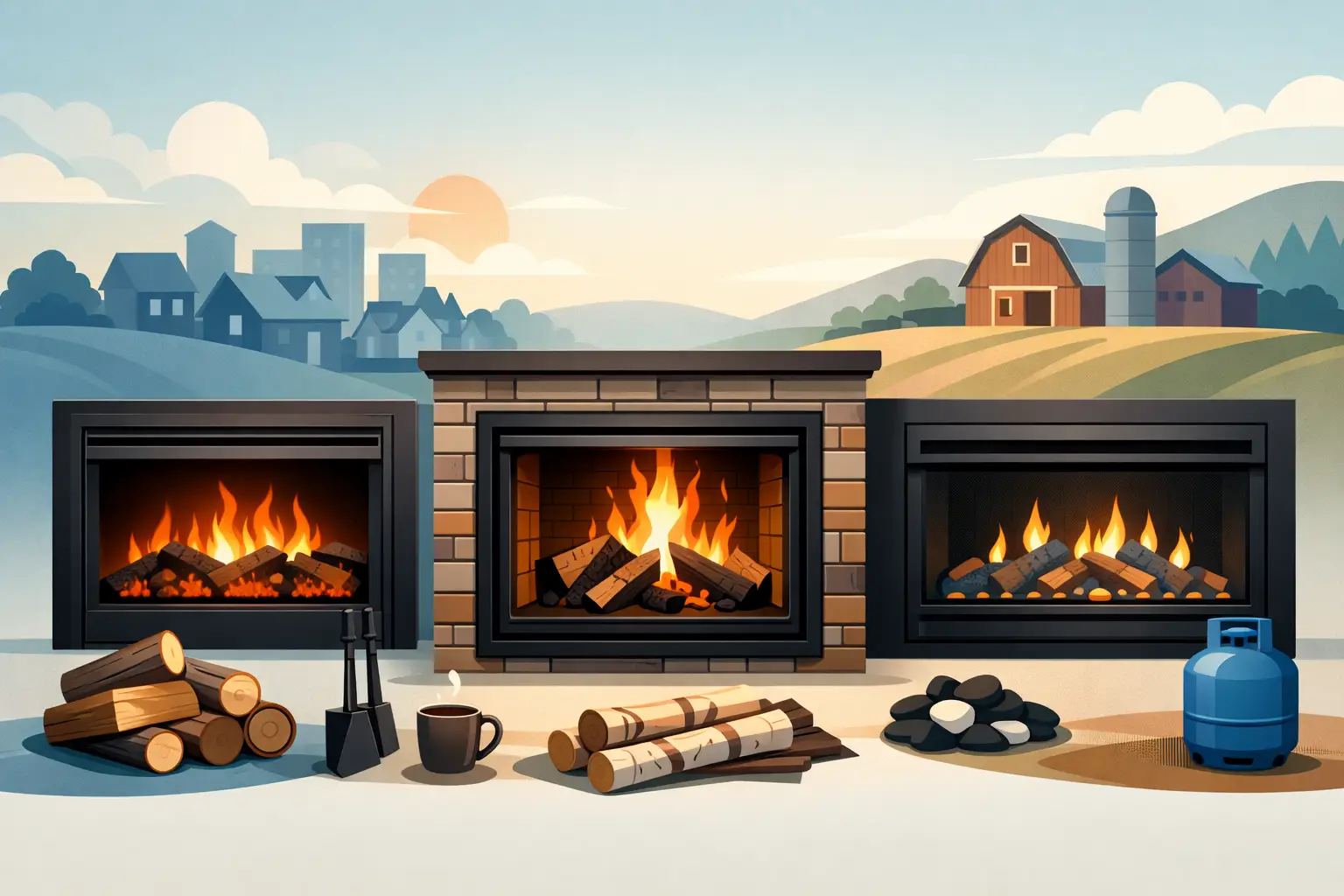
A fireplace that looks inviting but leaves the living room chilly can be frustrating, especially during a northeast Ohio winter. A fireplace insert comparison helps homeowners look beyond the appearance of a new unit and focus on what matters at home: dependable heat, safe venting, daily convenience, operating cost, and the condition of the existing chimney.
An insert is a self-contained heating appliance installed into an existing masonry or factory-built fireplace opening. Unlike an open fireplace, it is designed to capture more heat and send it into the room rather than up the chimney. The right choice depends on how you use the space, what fuel you prefer, and whether your chimney can safely support the appliance.
The most useful question is not which insert is best overall. It is which insert is right for your household. A wood-burning insert may suit a homeowner who wants meaningful supplemental heat and enjoys tending a fire. A gas insert can be a strong fit for someone who wants quick warmth with minimal daily work. A pellet insert offers thermostat-controlled heat from a renewable fuel source, but it relies on electricity and regular cleaning.
Before selecting a model, consider whether the insert will heat one gathering room, reduce the load on a central furnace, or provide heat during a power outage. Also consider who will operate it. A household comfortable with storing firewood and handling ash has different needs than someone who wants to press a wall switch after work.
The fireplace itself is only one part of the decision. The chimney, flue, hearth, electrical access, gas supply, clearances, and masonry condition all affect what can be installed safely. An on-site inspection should come before choosing a unit based solely on a showroom display or online photo.
A properly selected wood insert can produce substantial, steady heat and turn an underperforming open fireplace into a practical heating source. Modern EPA-certified models burn more efficiently and cleanly than older wood stoves and conventional open hearths. For homeowners with access to properly seasoned firewood, wood heat can also help reduce reliance on other heating sources.
The trade-off is participation. Firewood must be split, stored dry, carried inside, and burned correctly. The fire needs attention, ash must be removed, and the glass and firebox require routine care. Wet or poorly seasoned wood creates more smoke, less heat, and more creosote in the venting system.
Most wood insert installations require a correctly sized, continuous stainless-steel liner running from the appliance to the top of the chimney. The liner is not an optional accessory added for appearance. It helps the appliance draft properly and keeps combustion byproducts contained within a system designed for that purpose. The chimney also needs to be structurally sound, protected from water entry, and inspected before installation.
A wood insert may be the better choice when heat output, fuel independence, and the experience of a real wood fire matter most. During an outage, many non-electric wood inserts can continue providing heat, although any blower will not run without power. Confirm the specific model’s operating requirements before assuming it will serve as emergency heat.
Wood inserts ask for the greatest amount of homeowner involvement, but they can deliver the most traditional hearth experience. Plan for annual professional inspection and sweeping, proper fuel storage, and attention to safe burning habits. Never treat a new insert as a way to avoid chimney maintenance. Higher efficiency changes the system, but it does not eliminate the need for service.
Gas fireplace inserts are popular with homeowners who want a dependable flame without handling wood or ash. They start quickly, offer adjustable heat settings, and often operate with a wall switch, remote, or thermostat. Many models have a standing pilot or battery backup option that can allow basic operation during a power outage, though capabilities vary by unit.
A direct-vent gas insert uses a sealed venting arrangement that brings in outside combustion air and sends exhaust outdoors. This design can be an excellent option for comfort and indoor air quality when installed according to manufacturer requirements. It also means the existing fireplace and chimney must be evaluated for proper liner routing, termination, clearances, and condition.
Gas is generally the lowest-maintenance choice from day to day, but it is not maintenance-free. Logs, burners, valves, ignition components, and venting should be inspected and cleaned by a qualified technician. Dust, pet hair, spider webs, and component wear can affect ignition, flame appearance, and safe performance. A gas odor, delayed ignition, soot, or a flame that looks unusually yellow should prompt service rather than continued use.
Gas inserts are well suited to homeowners who prioritize convenience, controlled supplemental heat, and a clean appearance. Their main limitations are fuel availability, installation cost where a gas line is not already present, and the fact that they do not provide the same wood-burning experience or fuel flexibility as a wood insert.
Pellet inserts burn compressed wood pellets that feed automatically from a hopper into the burn pot. They can provide consistent, thermostat-controlled heat with less manual fire tending than a wood insert. For some homeowners, this balance of renewable fuel and automated operation is appealing.
However, pellet appliances use electricity for the auger, fan, and controls. Without a battery backup or generator, they generally stop during a power outage. They also need dry pellet storage and a reliable local fuel supply, particularly before the heating season. The burn pot and ash areas require regular cleaning, while the venting and appliance should receive professional annual service.
Pellet inserts can make sense for a homeowner who wants more automation than cordwood provides and is willing to maintain the appliance on schedule. They are less ideal for households seeking simple outage heat or those who prefer the near-instant operation of gas.
A new appliance cannot compensate for a deteriorated chimney. Water intrusion, cracked crowns, loose brick, damaged flashing, missing caps, and failed mortar joints can all affect the safety and longevity of an insert installation. In older homes across Trumbull, Mahoning, and Mercer counties, the chimney may have years of weather exposure that needs attention before a liner or venting system is added.
An inspection should identify the fireplace opening dimensions, chimney height, flue layout, combustibles near the installation area, and masonry concerns. It should also determine whether the existing flue is appropriate for the intended appliance. A wood insert liner, gas vent system, and pellet venting system have different sizing and installation requirements. One is not interchangeable with another.
This is where an honest recommendation matters. Sometimes a chimney needs a cap, crown repair, repointing, or flashing work first. Sometimes the fireplace opening needs modification. In other cases, an insert is not the most practical option for the home. Clear findings allow you to address the real issue instead of spending money on a unit that cannot perform as intended.
Purchase price is only one line in the budget. Include installation labor, chimney liner or venting, electrical work, gas piping if needed, hearth changes, masonry repairs, permits where required, and ongoing maintenance. A lower-priced unit can become the more expensive option if the installation needs were overlooked.
Efficiency should also be viewed realistically. A high-efficiency insert can reduce wasted heat, but savings depend on how often it runs, the size and insulation of the home, fuel prices, thermostat settings, and whether it replaces other heat or simply adds comfort in one room. Oversizing is not a shortcut to better performance. An oversized wood insert may lead to low, smoldering fires, while an oversized gas unit can make a room uncomfortably hot before heat reaches other areas.
For wood and pellet appliances, responsible fuel use supports both performance and environmental stewardship. Burn dry, appropriate fuel, follow the manufacturer’s instructions, and keep the venting system clean. For every fuel type, carbon monoxide alarms and smoke alarms should be working, correctly located, and tested regularly.
The best insert is the one that fits your heating goals and works safely with the fireplace and chimney you already have. A professional evaluation can clarify whether wood, gas, or pellet makes the most sense, what liner or venting is required, and whether masonry repairs should be completed first.
Chimney Sweeps and Masonry of America provides inspection, chimney liner, fireplace, and masonry expertise for property owners who want straightforward answers before making a major hearth investment. Schedule an assessment before purchasing an insert, then choose a system that will give your home reliable warmth without creating avoidable problems overhead.
We are a member of The National Chimney Guild. Certified Chimney Professional
 Optimized by Seraphinite Accelerator