- 330-505-6800
- Info@alifeprotector.com
- 11 North Main St , Niles Ohio 44446.

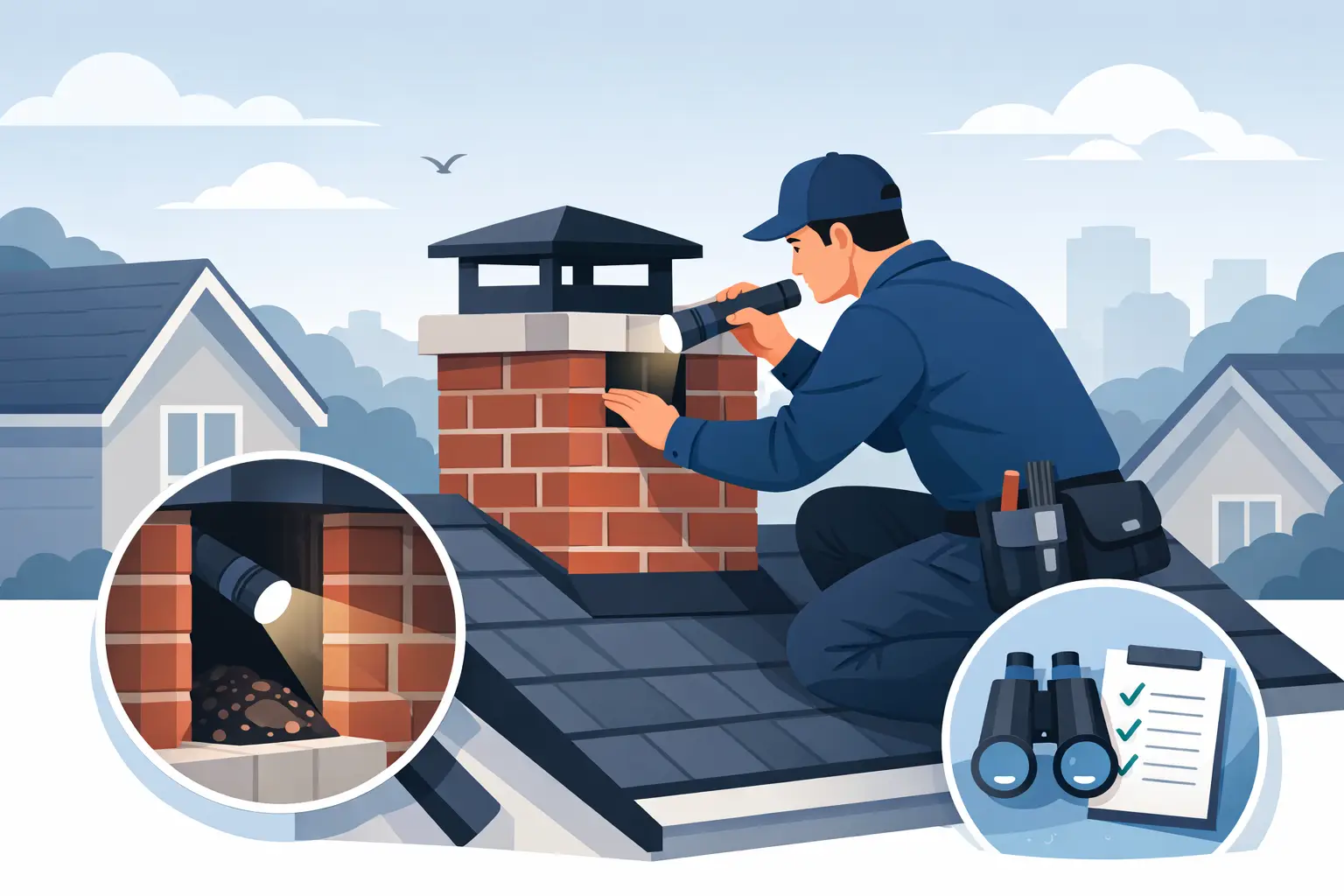
A fireplace can look perfectly normal from the living room while hidden deposits, a blocked flue, or early masonry damage develops out of sight. A chimney inspection level one is the practical starting point for homeowners who use a fireplace, wood stove, pellet appliance, or other vented heating system. It provides a professional review of the readily accessible parts of the chimney and venting system, helping identify concerns before they become a fire, smoke, carbon monoxide, or water-intrusion problem.
For many homes in Trumbull, Mahoning, and Mercer counties, this is the inspection typically scheduled as part of regular annual chimney maintenance. It is not an invasive investigation, and it is not a sales pitch for repairs. Its purpose is to give you a clear, honest assessment of the system’s visible and accessible condition and whether it appears suitable for continued use.
A Level 1 inspection is the most basic professional chimney inspection level. It is intended for a chimney and appliance system that has not changed and has not experienced a known event that could have affected its condition. The technician examines the readily accessible portions of the chimney, fireplace or appliance, and connector system.
The inspection focuses on whether the system appears structurally sound, free of obvious obstructions, and clear of hazardous combustible deposits. The inspector also looks for signs that the chimney is venting properly and that the appliance and chimney are compatible in their present configuration.
A Level 1 inspection does not require removing permanent parts of the home, opening walls, dismantling the chimney, or accessing concealed areas. That limitation matters. It makes a Level 1 inspection efficient and appropriate for routine care, but it also means it cannot rule out every issue inside a concealed flue, behind a wall, or below a roofline that cannot be safely accessed.
The exact scope depends on the appliance, chimney design, access, and visible conditions. A qualified technician generally reviews accessible interior and exterior components, including the firebox or stove, damper area when applicable, smoke chamber, chimney throat, visible flue areas, connector pipe, and accessible portions of the chimney exterior.
Inside the home, the inspection may reveal creosote buildup, loose or damaged firebrick, a damper that does not operate correctly, rust on metal components, or evidence that smoke has been entering the house. For a wood stove or insert, the technician checks accessible connector sections, clearances, and visible signs of heat stress or leakage.
Outside, the assessment includes readily visible masonry, the chimney crown, cap, flashing, and other exposed components. Cracked mortar, spalling brick, missing caps, deteriorated crown material, or failing flashing can allow water into the chimney system. In northeastern Ohio and western Pennsylvania, repeated freeze-thaw cycles can turn a small masonry defect into a larger repair if it is left through another winter.
A Level 1 inspection also helps determine whether chimney sweeping is needed. Inspection and cleaning are related, but they are not the same service. An inspection evaluates condition and safety. Sweeping removes soot, creosote, nests, and other deposits or debris when present. Many homeowners schedule both during the same visit because a clean system allows for a more useful evaluation of accessible areas.
Routine annual service is the most common reason to schedule this inspection. Even if you only use your fireplace occasionally, animals, weather, moisture, and changes in building pressure can affect a chimney year-round. A wood-burning system that sees regular use may develop creosote deposits more quickly, while an unused chimney can still collect nesting material or show water-related deterioration.
A Level 1 inspection is often appropriate when your heating appliance and chimney have remained the same and there has been no known damage. It is also a sensible step before the heating season, after buying a home when there are no specific concerns requiring a more extensive evaluation, or when you simply want a trusted professional to check a system that has been idle.
You should not wait for obvious trouble. Smoke odor in the home, weak draft, water stains near the chimney, bits of tile or mortar in the firebox, and a persistent smoky fireplace are all reasons to schedule service promptly. Depending on what is found, the technician may recommend cleaning, a masonry repair, or a more detailed inspection rather than treating a symptom alone.
A Level 1 inspection is not always enough. A Level 2 inspection may be recommended after a chimney fire, a lightning strike, severe weather event, or other occurrence that could have damaged the system. It is also commonly appropriate when a new appliance is being installed, an appliance is being replaced with a different type, or the chimney has undergone a significant change.
Real estate transactions can also call for a more detailed inspection, especially when the history of the fireplace or flue is uncertain. A Level 2 evaluation generally includes a video scan of the flue and examination of accessible areas in attics, crawlspaces, basements, or other parts of the structure that are relevant to the chimney system.
The distinction is useful because it keeps recommendations proportional to the situation. If your system is unchanged and shows no warning signs, a Level 1 inspection may be the responsible, cost-conscious choice. If there is a safety event, a performance problem, or a major change in use, a more detailed assessment provides information that a routine inspection cannot.
Chimneys manage heat, combustion gases, moisture, and the byproducts of burning fuel. When one part fails, the effects can extend beyond the hearth. A blocked or damaged flue can interfere with draft. Creosote can increase fire risk. Water entering through a damaged cap, crown, flashing, or mortar joint can weaken masonry and contribute to staining, corrosion, and interior damage.
Regular inspection also supports efficient operation. A clean, properly venting fireplace or stove is more likely to perform as intended. That can mean less smoke in the room, fewer unpleasant odors, and more confidence when you light a fire on a cold evening.
For gas fireplaces, inspection remains valuable even though gas does not create creosote like wood. Venting components, burner areas, logs, ignition systems, and exterior termination points still require professional attention. If you notice delayed ignition, unusual odors, soot, or changes in flame appearance, stop using the appliance and have it checked.
A little preparation helps the visit go smoothly. Avoid using a wood-burning fireplace or stove for at least 24 hours before service so the system has time to cool. Clear decorations, furniture, and stored items away from the hearth or appliance area, and make sure the technician can reach any relevant access points.
If you have noticed odors, smoke, leaking water, falling debris, or changes in fireplace performance, write down when the issue occurs. Details such as whether the problem happens during rain, high winds, or only when the fireplace is in use can help the technician identify the likely cause.
It is also helpful to share any recent work performed on the roof, chimney, fireplace, or heating appliance. A clear history allows the inspection to focus on the right areas and helps avoid assumptions about the system.
A professional inspection should leave you with understandable findings, not pressure. Some homes need only routine sweeping or a return visit next year. Others may need a cap, crown repair, repointing, flashing correction, liner work, or a more advanced inspection to verify a suspected issue.
Ask what was observed, why it matters, and what could happen if the work is delayed. A dependable technician should be able to separate urgent safety concerns from maintenance items that can be planned for a later date. At Chimney Sweeps and Masonry of America, that means explaining the condition of the system clearly and recommending work based on what the chimney actually needs.
A Level 1 inspection is a small appointment with a meaningful purpose: it gives you a professional set of eyes on a system that is easy to forget until something goes wrong. Schedule it before you rely on your fireplace or stove for the season, and you can make decisions from a position of knowledge rather than urgency.
We are a member of The National Chimney Guild. Certified Chimney Professional
 Optimized by Seraphinite Accelerator