- 330-505-6800
- Info@alifeprotector.com
- 11 North Main St , Niles Ohio 44446.

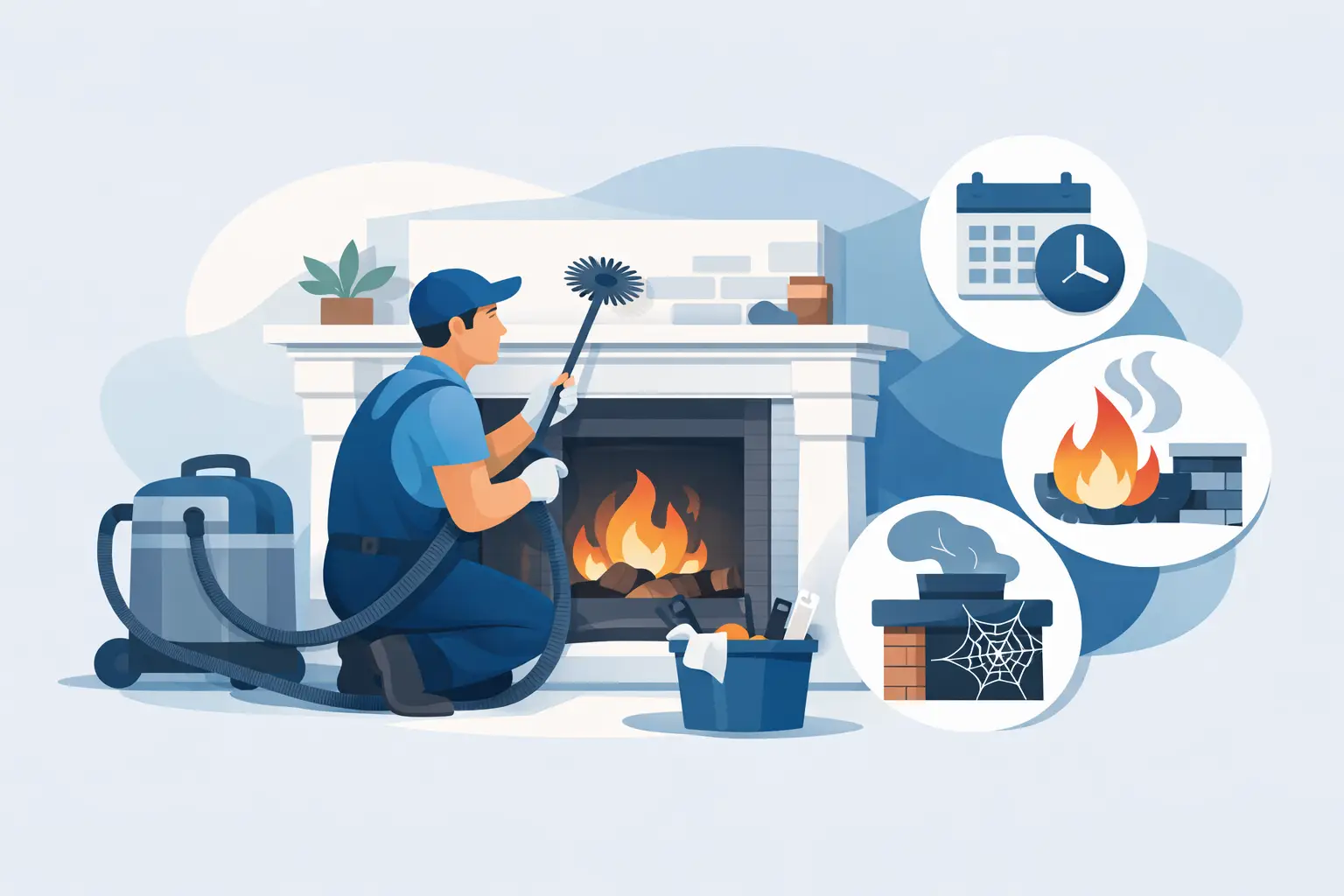
The first cold evening of the season is a poor time to discover that smoke is backing into the room, a gas fireplace will not stay lit, or the firebox is coated with last year’s ash and soot. A professional fireplace cleaning service helps homeowners prepare their hearth systems before they are needed most. It also creates an opportunity to identify safety concerns early, from creosote buildup to damaged components or water-related deterioration around the chimney.
For homeowners in Trumbull, Mahoning, and Mercer counties, fireplace care is not just a seasonal chore. It is part of protecting an aging home, keeping a heating appliance efficient, and making informed decisions about repairs. The right service should provide a clear assessment, complete the work carefully, and explain what is necessary without pushing work that is not.
A fireplace is connected to a larger system that includes the firebox, damper, smoke chamber, flue, chimney, cap, and exterior masonry. Cleaning focuses on the portions of that system affected by combustion, ash, soot, and debris. The exact scope depends on whether you have a wood-burning fireplace, gas fireplace, wood stove insert, or another hearth appliance.
For a wood-burning fireplace, technicians typically remove ash and soot from the firebox and inspect visible components for damage. The chimney flue is swept using professional tools designed to remove soot and creosote deposits. Creosote is a combustible residue created when wood smoke cools and condenses inside the flue. A small amount may be expected with use, but thick, flaky, or glazed deposits require professional attention because they can fuel a chimney fire.
Gas fireplace cleaning is different. Gas appliances do not create creosote like wood fires do, but they still need regular service. Dust, pet hair, and debris can collect around burners, logs, vents, and controls. A technician may clean the glass, inspect the burner assembly, check ignition and pilot operation, and look for signs that the appliance is not venting or burning properly. Do not attempt to rearrange ceramic logs or adjust gas components yourself. Their position affects how the fireplace operates.
A quality visit should also include a visual review of the accessible chimney and fireplace system. A Level 1 chimney inspection is commonly appropriate when there have been no changes to the appliance, venting system, or fuel type and no known performance concerns. If an issue is discovered, the technician can explain whether a more involved inspection or repair is warranted.
For most households that burn wood regularly, annual cleaning and inspection is a sensible standard. The better timing depends on how your household uses the fireplace. Scheduling in late summer or early fall gives you time to address any concerns before temperatures drop and appointments become harder to secure.
Frequency can change with use. A fireplace used only a few times each winter may have less buildup than one used as a frequent heat source. Still, low use does not eliminate the need for inspection. Birds, squirrels, leaves, nesting materials, moisture, and masonry damage can affect a chimney even when no fires have been burned.
Schedule service sooner if you notice smoke entering the room, a strong smoky or musty odor, poor draft, visible black residue around the fireplace opening, or falling debris in the firebox. For gas fireplaces, delayed ignition, a pilot light that will not stay on, unusual flame color, soot on the glass, or a change in operation should prompt a professional service call.
If you have recently purchased a home, changed fuel sources, installed an insert, experienced a chimney fire, or completed a major renovation near the fireplace or chimney, have the system evaluated before using it. These situations can affect clearances, venting, liners, and the appliance’s overall safety.
A clean firebox may look better, but the greater value is what cleaning helps reveal. Soot can conceal cracked refractory panels, damaged mortar joints, or a deteriorating damper. Creosote can hide the true condition of the flue. When those areas are cleaned and inspected, homeowners have a clearer picture of how their system is performing.
Routine service can also support more efficient operation. A fireplace or stove needs a clear path for exhaust gases to move out of the home. Restrictions inside the flue can weaken draft, encourage smoke problems, and make fires harder to manage. With gas units, clean burners and properly positioned logs help the appliance produce the flame pattern it was designed to create.
There is also a practical environmental benefit. Burning properly seasoned firewood, maintaining a clean venting path, and correcting drafting problems can reduce unnecessary smoke and wasted fuel. Maintenance cannot make every fireplace a primary heating system, but it can help homeowners use the system they have more responsibly.
Cleaning is essential maintenance, but it is not a cure for every fireplace problem. If smoke enters the room because the chimney is too short, the flue is undersized, or the home is under negative pressure from exhaust fans and tightly sealed construction, sweeping alone may not solve it. The same is true when a chimney liner is cracked, the crown is failing, or flashing has allowed water into the masonry.
Water is especially hard on chimney systems in northeastern Ohio and western Pennsylvania. Freeze-thaw cycles can widen small cracks in crowns, mortar joints, and brick faces. A damaged cap or missing cap can allow rain, snow, and animals into the flue. These problems may first appear as odor, staining, loose masonry, or debris in the fireplace, but they can become larger structural repairs when left alone.
An ethical contractor will separate maintenance needs from repair recommendations. Sometimes a system needs only cleaning and routine monitoring. Other times, a liner repair, cap installation, crown repair, repointing, flashing work, or masonry restoration is the responsible next step. Homeowners should receive an explanation of the finding, why it matters, and what may happen if it is delayed.
A little preparation helps the appointment go smoothly. Stop using a wood-burning fireplace at least 24 hours before the visit so the firebox and ashes are fully cool. Remove decorative items, fireplace tools, and fragile furnishings from the hearth area. Keep children and pets away from the work zone while service is being performed.
For gas fireplaces, make a note of any changes you have noticed. Does the unit take several attempts to ignite? Is the glass becoming cloudy or sooty? Does the flame look different than it did last season? Specific observations help the technician diagnose concerns efficiently.
You do not need to clean the fireplace before a professional arrives. In fact, excessive homeowner cleaning can make it harder to evaluate ash patterns, deposits, and other evidence of how the system has been operating. Simply provide access, share the appliance’s history if known, and ask questions about the condition of your chimney and hearth.
A fireplace cleaning service should never feel rushed or mysterious. You deserve a provider who protects the work area, uses appropriate equipment, and communicates in plain language. Experience with chimneys, liners, gas fireplaces, wood stove inserts, and masonry matters because fireplace performance is often connected to conditions beyond the firebox.
Chimney Sweeps and Masonry of America provides local homeowners and businesses with cleaning, Level 1 inspections, fireplace service, chimney repairs, and masonry work through one trusted source. That broader expertise allows recommendations to consider both the combustion system and the exterior structure that protects it.
Before your next burn season begins, schedule service while there is time to make thoughtful repairs if they are needed. A clean, inspected fireplace gives you more than a better-looking hearth – it gives you a safer place to gather when the weather turns cold.
We are a member of The National Chimney Guild. Certified Chimney Professional
 Optimized by Seraphinite Accelerator