- 330-505-6800
- Info@alifeprotector.com
- 11 North Main St , Niles Ohio 44446.

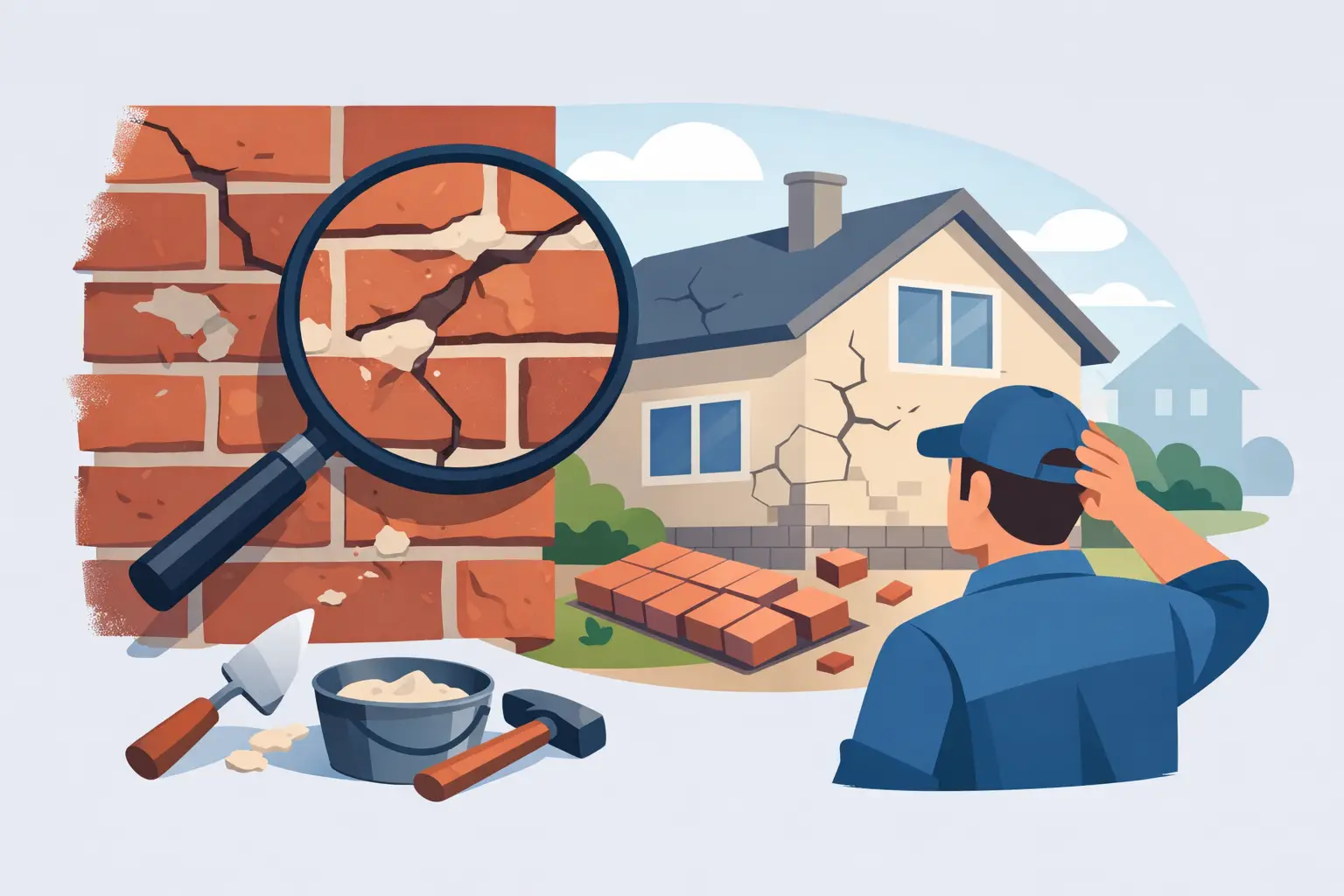
A chimney can look solid from the ground while moisture is quietly working its way through cracked mortar, missing brick faces, or a failing crown. Masonry repair is not only about restoring curb appeal. For homeowners in northeastern Ohio and western Pennsylvania, it is often the work that prevents water intrusion, falling materials, chimney instability, and more expensive damage inside the home.
Brick and mortar are durable, but they are not maintenance-free. Our area’s freeze-thaw cycles, driving rain, snow, and humid summers all place stress on exterior masonry. A small opening can absorb water, and when that water freezes, it expands. Over repeated seasons, minor deterioration can become a larger structural concern.
A masonry chimney is part of both the home’s exterior and its heating system. It must stand up to weather while safely containing heat, smoke, and combustion byproducts. When bricks, mortar joints, crowns, or flashing begin to fail, the issue can affect more than one area at a time.
Professional masonry repair may address damaged mortar joints, loose or cracked bricks, chimney crowns, gaps around flashing, deteriorated shoulders, and sections of a chimney that are beginning to lean or separate. The right solution depends on the source and extent of the damage. Repointing may be enough for worn mortar in an otherwise stable chimney. In other cases, damaged brick must be replaced, the crown rebuilt, or a section of masonry reconstructed.
The goal is not to recommend replacement when a focused repair will do the job. A careful assessment identifies what is sound, what is failing, and what should be corrected now to prevent avoidable work later.
Some masonry problems are obvious. Others are easy to overlook until rainwater appears on a ceiling or pieces of mortar begin collecting near the foundation. Homeowners should pay attention to changes in the chimney, fireplace surround, steps, retaining walls, and other brick structures.
Cracked mortar is one of the most common warning signs. Mortar joints may look recessed, sandy, broken, or missing in spots. Once joints open up, water can reach the interior of the masonry and weaken the bond between bricks.
Spalling is another concern. This occurs when the face of a brick flakes, chips, or breaks away. Spalling often points to moisture entering the masonry. Painting or sealing over damaged brick without addressing the water source can trap moisture and make the problem worse.
White, powdery staining on brick is called efflorescence. It is not always a structural emergency, but it does show that water is moving through the masonry and leaving mineral deposits behind. It deserves attention, especially when it appears repeatedly after being cleaned.
A leaning chimney, wide vertical cracks, separated brickwork, or loose bricks should be evaluated promptly. These conditions may indicate movement in the structure or significant water damage. Do not climb onto a roof or attempt to remove loose chimney material yourself. Falling brick and unstable roof access create real safety risks.
Inside the home, look for water stains near the fireplace or chimney chase, a damp odor after storms, rust on fireplace components, or visible cracking around a masonry fireplace. These symptoms do not always originate at the same location, which is why a professional inspection matters.
Most exterior masonry damage starts with water. The visible crack or loose brick is often the result, not the original cause. A chimney cap, crown, flashing system, or mortar joint may have allowed moisture into places where it does not belong.
The chimney crown is especially important. This concrete or masonry surface sits at the top of the chimney and directs water away from the flue and brickwork below. A crown with cracks, poor slope, or exposed edges can let water enter the chimney structure from above. A properly fitted chimney cap helps keep rain, snow, animals, and debris out of the flue, while good flashing protects the joint where the chimney meets the roof.
These components work together. Repointing mortar without correcting a cracked crown or failing flashing may only delay the next round of deterioration. Likewise, installing a new cap will not restore brick that has already lost its structural integrity. A complete evaluation looks for the source of moisture as well as the damage it has created.
Not every chimney needs the same level of repair. Repointing, sometimes called tuckpointing, involves removing deteriorated mortar to an appropriate depth and installing new mortar that matches the needs of the existing masonry. It can extend the life of a chimney significantly when the bricks remain sound and the structure is stable.
Brick replacement is appropriate when individual bricks are cracked, spalled, loose, or too deteriorated to remain in place. Matching replacement brick as closely as practical helps preserve the appearance of an older home, but performance matters just as much. The replacement materials and mortar should be compatible with the original masonry.
More extensive reconstruction may be necessary when a chimney is leaning, a large section has deteriorated, or the masonry above the roofline is no longer dependable. This is a larger investment, but leaving unstable masonry in place can create risks to people, property, and the roof below.
Older homes deserve special care. Hard modern mortar is not always suitable for softer historic brick. When mortar is too rigid, the brick can become the weak point and may crack under seasonal movement. Experienced masonry work considers the age, material, location, and condition of the structure rather than applying a one-size-fits-all repair.
If you use a fireplace, wood stove, or gas appliance, exterior chimney condition should never be treated as separate from system safety. Water entering the masonry can damage liners, dampers, firebox components, and nearby framing over time. Gaps and deterioration can also affect how the chimney manages heat and exhaust.
A Level 1 chimney inspection is a practical starting point for homeowners who use their system regularly or notice signs of deterioration. It can help identify visible conditions that call for cleaning, repairs, liner evaluation, or further investigation. If a chimney has experienced a chimney fire, lightning strike, storm damage, or major water leak, a more detailed inspection may be appropriate.
Regular sweeping also supports better decision-making. During service, a trained technician may spot changes in the firebox, flue, smoke chamber, or accessible masonry that a homeowner cannot safely see. Addressing these concerns early helps protect the heating system and may reduce unnecessary energy loss caused by drafts or damaged components.
A reliable masonry contractor should explain what they see in plain language. You should understand whether the issue is cosmetic, maintenance-related, or structural, along with what could happen if repairs are delayed. Photographs and clear recommendations can be particularly helpful for areas above the roofline.
The assessment should also distinguish urgent needs from work that can be planned. A few hairline surface cracks in a crown may be repairable before winter. Loose bricks near the top of a chimney, active leaks, or visible separation are more time-sensitive. Honest recommendations allow homeowners to prioritize safety without feeling pressured into unnecessary replacement.
At Chimney Sweeps and Masonry of America, chimney and masonry services are evaluated together when needed. That matters because the most durable repair is one that considers the full system: the brickwork, crown, cap, flashing, flue, and the appliance or fireplace below.
Spring through fall is often an ideal time to assess and complete exterior masonry work, but damage should not be ignored simply because the weather has changed. Winter moisture can accelerate existing cracks, and heavy rain can expose a flashing or crown failure quickly. If you see loose material, active leaking, or major cracking, schedule an evaluation rather than waiting for the next heating season.
After repairs are complete, simple observations can help protect the work. Keep gutters functioning, watch for new staining after storms, and have the chimney inspected as part of regular fireplace or stove maintenance. These habits do not replace skilled repairs, but they can reveal changes before they become major problems.
A sound chimney should give your household confidence, not another item to worry about whenever rain, snow, or heating season arrives. Timely attention to damaged masonry keeps a small exterior issue from becoming a larger safety and home-maintenance concern.
We are a member of The National Chimney Guild. Certified Chimney Professional
 Optimized by Seraphinite Accelerator