- 330-505-6800
- Info@alifeprotector.com
- 11 North Main St , Niles Ohio 44446.

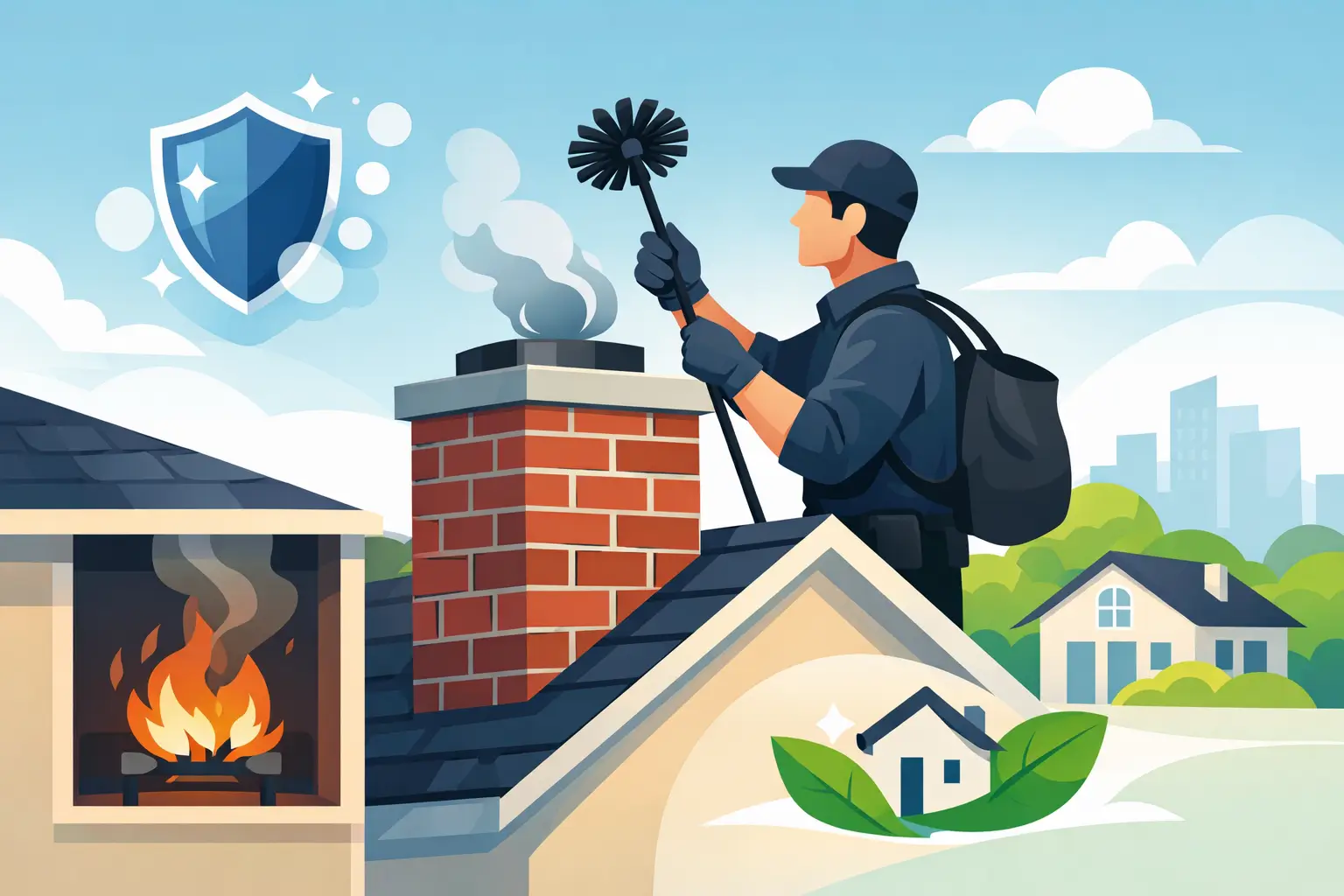
A fireplace can make a northeastern Ohio winter feel more comfortable, but the chimney above it has a serious job to do. Chimney sweeping removes the soot, ash, and creosote that collect as fuel burns, helping your system vent smoke and combustion gases as intended. It is practical maintenance, not an optional cosmetic service, and it can reveal concerns that are much easier to address before the next heating season.
For homeowners in Trumbull, Mahoning, and Mercer counties, routine chimney care is especially valuable. Long heating seasons, changing temperatures, wind-driven rain, and aging masonry can all affect the condition of a chimney system. A professional cleaning paired with the appropriate inspection gives you a clearer picture of what is happening inside the flue and around the exterior of your home.
Every wood-burning fireplace, stove, or insert produces byproducts as it burns. Some leave the home through the flue, while some settle on the chimney walls. The most concerning material is creosote, a dark, combustible residue that can range from dry and flaky to thick, sticky, or glazed. The more buildup present, the greater the risk that heat or sparks could ignite it inside the chimney.
Creosote is not the only reason to schedule service. Birds, leaves, nesting materials, loose mortar, broken flue tile, and deteriorating liner components can restrict the passage of exhaust. A partial blockage may lead to poor draft, smoke entering the room, unpleasant odors, or reduced fireplace performance. In more serious cases, it can interfere with the safe venting of combustion gases.
A properly maintained chimney also supports more efficient heating. When a system drafts correctly, a wood fire burns more cleanly and is less likely to send smoke back into the living area. For gas appliances, a clean and properly functioning venting system helps protect the performance of equipment that many homeowners depend on for reliable warmth.
Chimney sweeping and inspection are related, but they are not the same service. Sweeping focuses on removing debris and combustible deposits. An inspection evaluates accessible portions of the chimney and venting system for conditions that could affect safe operation.
A Level 1 chimney inspection is generally appropriate when the system has not changed and has been operating normally. It includes a visual evaluation of readily accessible parts of the chimney, fireplace, appliance connection, and flue. If there has been a chimney fire, storm damage, a change in heating equipment, a major performance issue, or a property sale, a more detailed assessment may be needed.
This distinction matters because a clean chimney is not automatically a sound chimney. A flue liner can be damaged even when little creosote is present. Likewise, a chimney with good-looking brick on the outside may have hidden water damage, mortar deterioration, or an interior obstruction. A trained technician should explain what was found, what should be addressed now, and what can be monitored over time.
For most homeowners with wood-burning fireplaces or stoves, an annual inspection is a sensible starting point. Whether the chimney needs sweeping at that visit depends on how often you use it, what you burn, the appliance type, and the amount of buildup found.
A fireplace used only a few times each winter may need less cleaning than a wood stove that heats part of the home every day. However, infrequent use does not remove the need for inspection. Animals can nest in an unused flue, water can enter through a damaged cap or crown, and masonry can deteriorate without producing obvious symptoms indoors.
Burning wet or unseasoned firewood increases smoke and creosote production. Smoldering fires, restricted air supply, and oversized logs can also contribute to buildup. Seasoned wood, proper fire-building practices, and a well-maintained appliance can reduce deposits, but they do not replace professional service.
Gas fireplaces and gas log systems should also be inspected and cleaned according to manufacturer guidance and local service needs. They do not create creosote like wood-burning systems, but dust, burner issues, venting concerns, and damaged components can affect safe operation and appearance.
Do not wait for the annual appointment if your fireplace or stove starts behaving differently. Smoke entering the room, a persistent smoky odor, difficulty starting a fire, weak draft, or visible dark residue around the firebox can all point to a problem worth checking.
Changes outside the home matter, too. Cracked mortar joints, spalling brick, rust stains, loose flashing, missing chimney caps, or a damaged crown allow water into areas where it can cause ongoing damage. Water intrusion is one of the most common reasons chimney structures deteriorate. When moisture freezes and thaws through an Ohio or Pennsylvania winter, small openings can become much larger repair needs.
A sudden odor during humid weather may also indicate creosote or moisture inside the flue. While an odor does not always mean an emergency, it is a good reason to have the system assessed rather than masking the smell and hoping it disappears.
A reliable service visit begins with protecting the home. Professional technicians should use appropriate containment methods and equipment to keep soot and debris from spreading into the living space. The firebox, smoke chamber, and accessible flue areas are cleaned based on the type of appliance and chimney configuration.
During the visit, the technician should look for conditions that affect more than cleanliness. That may include creosote type and quantity, signs of liner damage, obstructions, loose components, or evidence of water entry. If repairs are recommended, you should receive a clear explanation of why the work is needed and how it relates to safety, performance, or long-term preservation.
Not every finding requires immediate replacement. Some chimneys need a new cap, crown repair, flashing work, repointing, or localized masonry restoration to prevent more serious damage. Others may need liner repair or replacement because the existing flue no longer provides a safe passage for exhaust. Honest recommendations should match the condition of your system, not a one-size-fits-all sales approach.
Between service appointments, use only dry, seasoned firewood in a wood-burning appliance. Avoid burning trash, treated lumber, cardboard, or large amounts of paper, as these materials can create excessive sparks, chemicals, or fast-burning fires that are hard to control.
Keep the damper operating freely, and make sure fireplace doors, stove gaskets, and appliance components are in good working order. If you notice loose brick, water stains near the chimney, or a cap that appears damaged after severe weather, arrange an evaluation promptly. Small exterior repairs often protect the liner, framing, and interior finishes from much more expensive moisture damage.
It is also wise to maintain working smoke alarms and carbon monoxide alarms throughout the home. These devices do not replace professional chimney care, but they provide an essential layer of household protection when any fuel-burning appliance is in use.
Chimney Sweeps and Masonry of America provides chimney sweeping, Level 1 inspections, liner work, fireplace service, and masonry repairs for local homeowners and businesses. Having one knowledgeable provider evaluate both the venting system and the chimney structure can make maintenance decisions clearer, especially when cleaning uncovers a cap, crown, flashing, or masonry concern.
The best time to schedule is before the busy heating season, when you have time to address any needed repairs without interrupting how you heat your home. A clean, inspected chimney lets you enjoy the fire with greater confidence, knowing the system above it has received the same care as the room around it.
We are a member of The National Chimney Guild. Certified Chimney Professional
 Optimized by Seraphinite Accelerator