- 330-505-6800
- Info@alifeprotector.com
- 11 North Main St , Niles Ohio 44446.
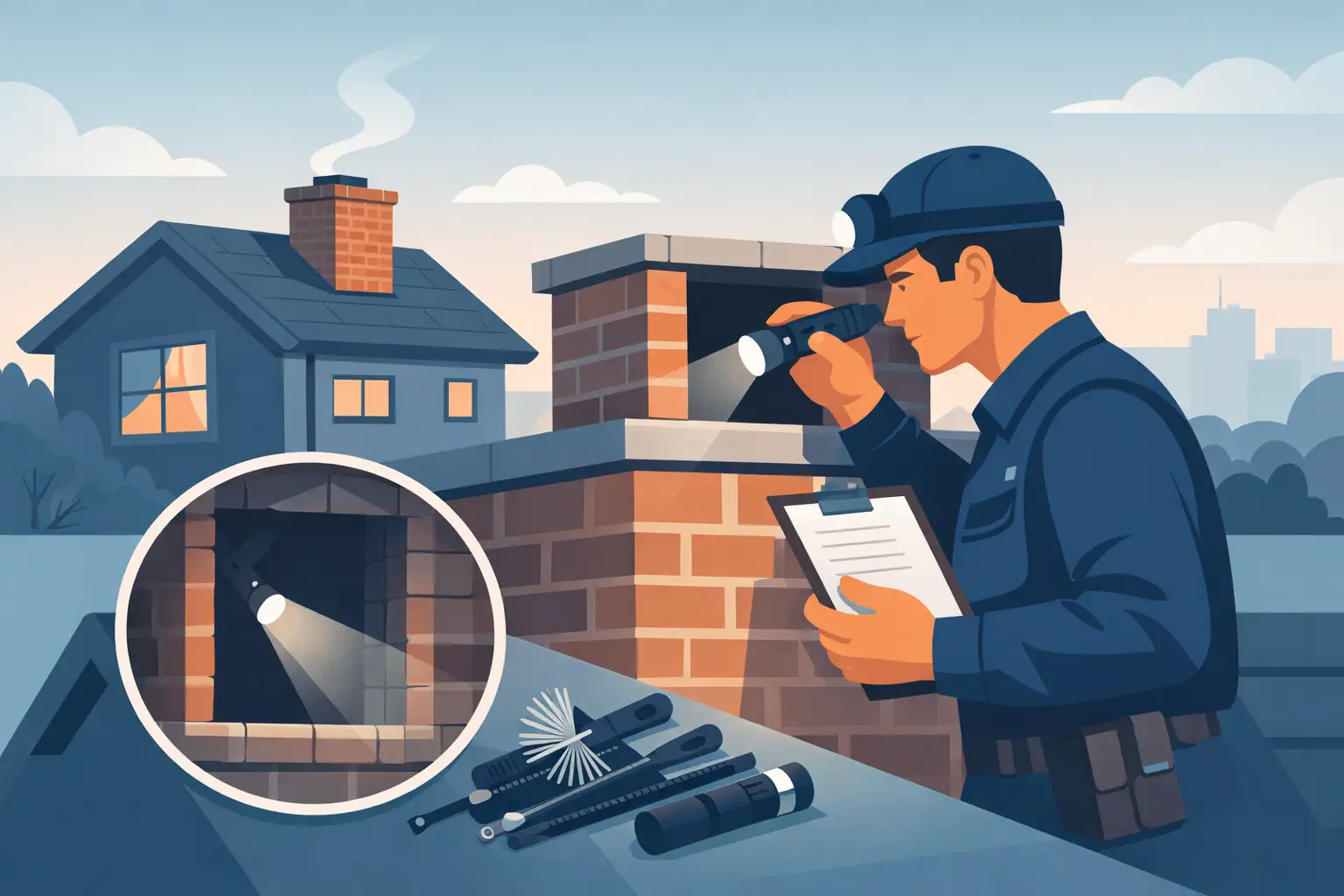
A fireplace can look perfectly normal from the living room while its chimney has a developing problem above the roofline or inside the flue. So, what is a level 1 chimney inspection? It is a professional visual examination of the readily accessible parts of your chimney and venting system, performed without removing components or opening concealed areas. For most homeowners, it is the appropriate starting point for routine annual chimney care.
A Level 1 inspection helps confirm that your chimney, fireplace, wood stove, or appliance vent appears structurally sound and suitable for continued use. It is not a quick glance at the firebox. A qualified chimney professional evaluates the system for visible safety concerns, damage, obstruction risks, and signs that further evaluation or maintenance may be needed.
A Level 1 chimney inspection is the least invasive of the recognized chimney inspection levels, but it is still a meaningful safety service. It is generally appropriate when your heating system has not changed, the chimney has performed normally, and there has been no event that could have damaged the structure or flue.
During the appointment, the technician examines all portions of the chimney that are readily accessible. That usually includes the firebox or appliance connection, smoke chamber when visible, damper, flue opening, chimney exterior, crown, cap, and flashing. The exact areas available for inspection depend on your home’s layout, roof access, weather conditions, and chimney design.
The goal is to identify conditions that can affect safe operation. A professional looks for visible cracks, loose mortar, rusted components, deteriorated masonry, missing or damaged caps, signs of water entry, combustible material concerns, and obvious blockages. They also look for creosote accumulation in wood-burning systems and evidence that an appliance is not venting as intended.
A Level 1 inspection does not involve taking apart walls, removing chimney liners, or using a camera to inspect the entire interior of the flue. If the technician finds a concern that cannot be fully evaluated from accessible areas, a Level 2 inspection may be recommended. That is not automatically a sign of a major problem. It simply means more information is needed to make an accurate recommendation.
Your chimney is more than the brick stack visible from the street. It is a connected system designed to contain heat, direct smoke and gases outdoors, and protect nearby building materials. A proper Level 1 inspection considers both the interior hearth system and the exterior chimney condition.
Inside the home, the inspection may include the fireplace opening, hearth, damper, firebox, visible smoke chamber, and the connection point for a wood stove insert, gas appliance, or other vented equipment. The technician checks for visible damage, corrosion, soot or creosote buildup, and signs of drafting problems. For a gas fireplace, the service needs may also include evaluating visible components for debris, wear, and venting concerns.
Outside, the chimney professional reviews accessible masonry and metal components. This can reveal cracked crowns, failing mortar joints, damaged bricks, loose flashing, staining, spalling, or a chimney cap that is missing or no longer keeping out rain, animals, and debris. In northeastern Ohio and western Pennsylvania, freeze-thaw cycles can turn small masonry defects into larger repairs if moisture keeps entering the chimney.
The inspection may be performed alongside chimney sweeping when cleaning is needed. Sweeping removes combustible creosote and debris, while the inspection evaluates the condition of the system. They work well together, but they are different services. A clean flue can still have a damaged liner, deteriorated masonry, or water-related issue that deserves attention.
For a homeowner who uses the same fireplace or stove under normal conditions each year, a Level 1 inspection is often the right annual service. It provides a regular opportunity to catch maintenance issues before they affect safety, heating performance, or the life of the chimney.
It is also a sensible choice before the heating season begins, especially if your fireplace or wood stove has been idle for months. Birds, leaves, moisture, and seasonal weather can affect a chimney even when it has not been used. Scheduling before cold weather arrives gives you time to address cleaning or minor repairs without interrupting the season when you want to use your hearth.
A Level 1 inspection is usually appropriate when there have been no changes to the appliance, fuel type, venting system, or chimney structure. It is intended for a system with a known history of normal use and no warning signs.
A Level 1 inspection is not the right fit for every situation. A more detailed Level 2 inspection is commonly recommended when a home is being bought or sold, when a new appliance or liner is installed, or when the system has been changed in a way that could affect venting. It may also be needed after a chimney fire, lightning strike, severe weather event, or suspected damage.
Pay attention to changes in how your fireplace or stove behaves. Smoke entering the room, an unusual odor, poor draft, excessive soot, water stains near the chimney, crumbling mortar, and pieces of tile or debris in the firebox can all justify a closer look. These symptoms do not always mean a costly repair is necessary, but they should not be ignored.
A Level 2 inspection often uses a specialized camera to examine the flue interior and may involve accessing areas not included in a Level 1 inspection. It provides a more complete picture when a visible review cannot answer the safety question. The right level depends on the history and condition of your system, not on a one-size-fits-all sales approach.
Chimneys in Trumbull, Mahoning, and Mercer counties face more than heat and smoke. Rain, snow, wind, ice, and repeated freezing and thawing place constant stress on crowns, mortar joints, flashing, caps, and brickwork. Once water enters through a small opening, it can contribute to rust, masonry deterioration, liner damage, and interior moisture issues.
Routine inspection gives homeowners a chance to handle smaller repairs while they are still manageable. Repointing a few weakened mortar joints, repairing a crown, replacing a cap, or correcting flashing can help preserve the chimney structure and prevent more extensive water damage later. It can also support cleaner, more efficient operation by ensuring the venting path is in suitable condition.
For wood-burning systems, annual care has an additional safety purpose. Creosote is a flammable byproduct of wood combustion that can build up in the flue. The amount varies based on wood moisture, burn habits, appliance efficiency, draft, and how often the system is used. An inspection helps determine whether sweeping is needed rather than assuming a calendar alone tells the whole story.
A dependable chimney inspection should leave you with understandable information, not pressure to approve work you do not need. The technician should explain what was observed, distinguish maintenance needs from urgent safety concerns, and answer questions about your particular fireplace, stove, liner, or masonry.
If repairs are recommended, ask what condition is being addressed, why it matters, and whether the work is preventive or time-sensitive. Photos can be especially helpful for roof-level masonry conditions and flue concerns that are difficult for a homeowner to see. Clear documentation makes it easier to plan repairs and keep a record of your chimney’s care over time.
Chimney Sweeps and Masonry of America provides Level 1 inspections with the same practical focus we bring to sweeping, liner work, fireplace service, and masonry repair: identify the condition honestly, explain the options clearly, and help protect the system you rely on.
A Level 1 inspection is not meant to create worry. It is a practical checkup for a system that handles heat, combustion gases, weather exposure, and years of use. If your fireplace, wood stove, or vented appliance has had a normal year and no major changes, scheduling a professional inspection before the next heating season is a straightforward way to use it with greater confidence.
We are a member of The National Chimney Guild. Certified Chimney Professional